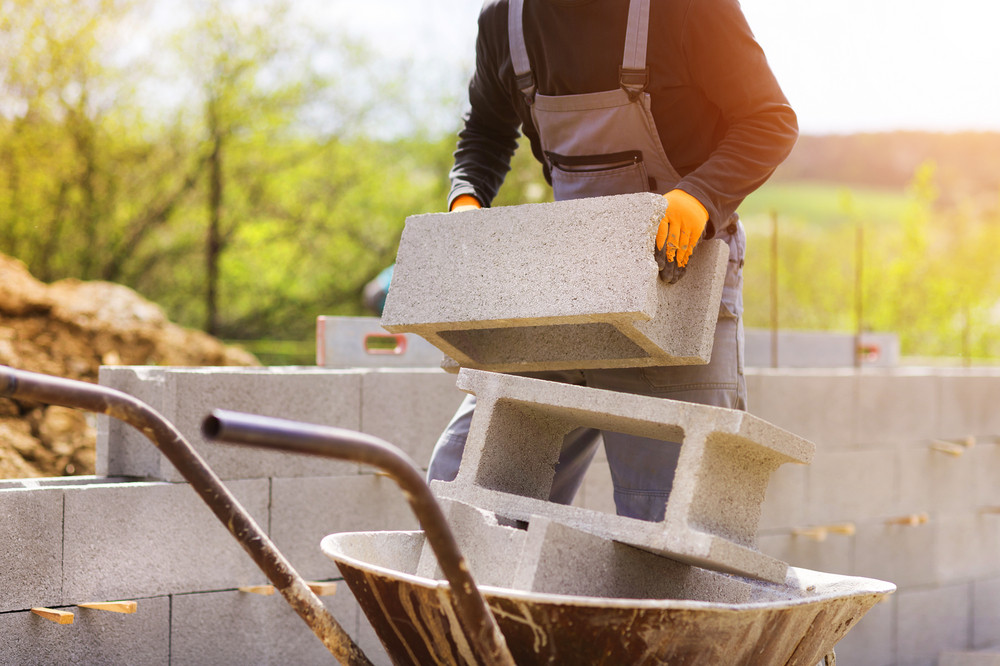
Masonry has long been one of the most reliable and widely used construction methods in the world. From historic landmarks to modern residential developments, masonry materials such as brick, stone, and concrete block continue to shape the built environment. In recent years, the demand for masonry has grown steadily due to its durability, energy efficiency, and timeless aesthetic appeal. As construction trends evolve and new technologies emerge, masonry remains an essential part of the building industry. Understanding why this demand continues to increase requires examining both the historical roots of masonry and the market forces driving its expansion today.
The Long History Behind Modern Masonry
One reason masonry remains so relevant today is its deep historical foundation. The practice of building with stone, brick, and mortar has existed for centuries and has proven its durability across generations. According to Britannica, masonry methods date back as early as the 4th century, when early civilizations began using structured stonework and brick systems to construct durable buildings and defensive structures. These early techniques laid the groundwork for many modern masonry practices used today.
Over time, masonry evolved alongside advancements in engineering and architecture. Ancient builders used simple hand tools and locally sourced materials, while modern masonry professionals benefit from specialized equipment, improved mortar formulations, and advanced structural design methods. Despite these technological improvements, the core principles of masonry construction—stacking materials and bonding them together for strength—have remained remarkably consistent.
The Continued Popularity of Brick and Block Construction
Another key factor contributing to masonry’s growth is the continued popularity of brick and block construction. These materials offer a balance of affordability, durability, and design flexibility, making them ideal for a wide range of projects. Homes, schools, commercial buildings, and infrastructure frequently rely on brick and concrete block systems because they provide structural stability and long-term performance.
In the United States, brick and block construction dominate a significant portion of masonry applications. According to Global Market Insights, approximately 61% of the masonry cement market in the U.S. is tied to brick and block construction. This highlights how central these materials remain in modern building practices.
Brick and block structures are often chosen for their fire resistance, low maintenance requirements, and thermal efficiency. Additionally, they provide aesthetic versatility, allowing architects to create both traditional and contemporary designs. Whether used in residential neighborhoods or large commercial complexes, these materials continue to play a vital role in construction projects across the nation.
Market Growth and Future Demand for Masonry Materials
The economic outlook for masonry materials also reflects growing demand across the construction industry. As populations expand and new development projects emerge, the need for durable building materials continues to rise. Infrastructure improvements, housing developments, and commercial construction all contribute to the increasing demand for masonry products.
Several factors are driving this expansion. Urbanization is increasing the need for housing and infrastructure, while sustainability initiatives are encouraging the use of long-lasting building materials. Masonry products often meet these needs because they offer durability, energy efficiency, and minimal environmental impact when properly sourced and installed.
The growing demand for masonry in the construction industry is rooted in a combination of history, practicality, and market expansion. With origins dating back to the 4th century, masonry has proven its reliability through centuries of architectural development. Today, materials like brick and concrete block continue to dominate a large portion of construction projects, representing a significant share of the masonry cement market in the United States.