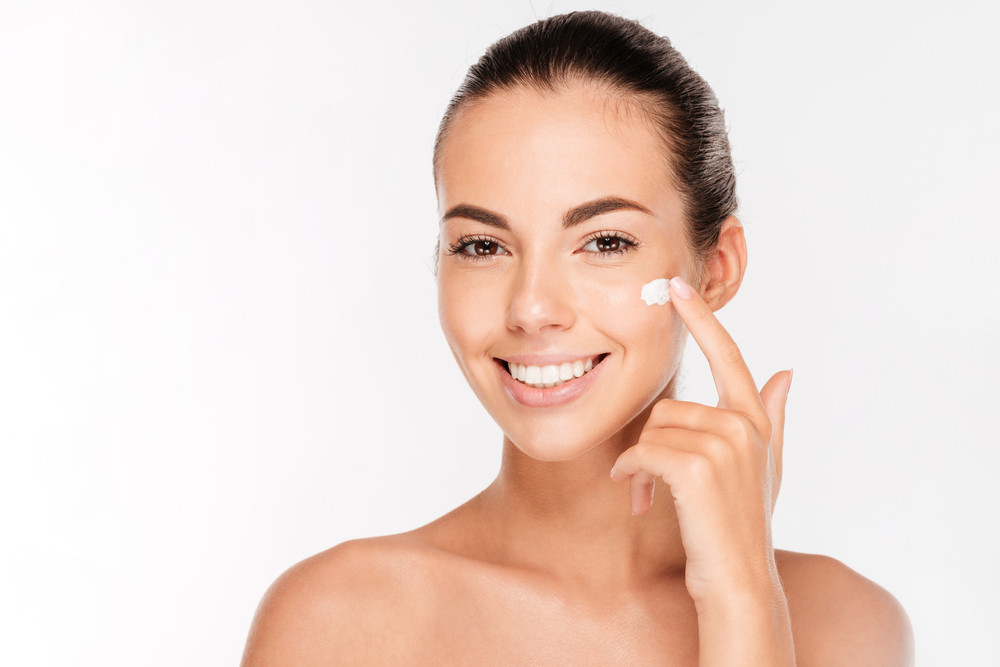
Not long ago, a basic skincare routine meant little more than a bar of soap and a drugstore moisturizer. Today, the conversation looks entirely different. Americans are researching ingredients, investing in serums, and building multi-step routines with the same dedication once reserved for diet and exercise. Skincare has evolved from a simple hygiene habit into a genuine wellness priority, and the data backs it up. Here’s a closer look at what’s driving this cultural shift and what it means for consumers, professionals, and the industry at large.
Women Are Leading the Charge in Skincare Investment
While interest in skincare has grown across all demographics, women have been at the forefront of this shift, not just in awareness but also in dollars and time spent. Social media has played a significant role, with platforms like TikTok and Instagram exposing millions of users to new products, routines, and dermatologist advice daily. The result is a more educated and more invested consumer base than ever before.
The motivations vary widely, including:
- Targeting specific skin concerns like hyperpigmentation, acne, or early signs of aging
- Building a self-care ritual that supports mindfulness and daily mental well-being
- Staying ahead of trends discovered through dermatologists and influencers on social media
- Investing in prevention rather than waiting to address skin issues after they develop
- Seeking ingredient-led results through science-backed formulations like retinoids, peptides, and vitamin C
Either way, the commitment is real and measurable.
According to Exploding Topics, 22% of women reported dedicating more of both their time and their budget to skincare in recent years. That figure reflects a meaningful behavioral shift, one that goes well beyond picking up a new face wash. It points to a growing belief that healthy skin is worth investing in and that the right products, applied consistently, can make a genuine difference.
A Multi-Billion Dollar Market With No Signs of Slowing Down
Consumer enthusiasm for skincare isn’t just a passing trend; it has translated into substantial and sustained economic growth. The U.S. skincare industry has expanded dramatically over the past decade, driven by rising consumer spending, a surge in product innovation, and a broader cultural embrace of wellness as a lifestyle priority.
Brands have responded by flooding the market with options across every price point, from affordable drugstore staples to high-end clinical formulations. The rise of “skinimalism,” the idea of using fewer, more targeted products, has also shifted purchasing habits, with consumers increasingly willing to pay a premium for products that are effective and backed by science.
According to Grandviewresearch.com, the U.S. skin care products market was valued at $22.90 billion in 2023 and is projected to expand at a compound annual growth rate of 4.2% through 2030. That sustained trajectory signals more than a trend; it reflects a fundamental change in how Americans view and prioritize their skin health. For businesses in the space, it represents a significant and ongoing opportunity.
Skincare’s Growth Is Creating Real Career Opportunities
The skincare boom isn’t only good news for consumers and brands; it’s reshaping the job market in meaningful ways. As demand for professional skin treatments grows, so does the need for qualified specialists who can deliver them. Estheticians, dermatology technicians, and other licensed skin care professionals are finding themselves in a field with strong and steady demand.
This career path appeals to a wide range of people, from those passionate about the science of skin to those drawn to the personal, relationship-based nature of working with clients one-on-one. Training programs and licensing requirements vary by state, but the barrier to entry is relatively accessible compared to many other healthcare-adjacent fields, making it an attractive option for career changers and recent graduates alike.
According to Goldie, the field is expected to generate roughly 85,300 job openings for hair care and skin care professionals each year. That’s a significant volume of opportunity, and it reflects just how deeply skincare has woven itself into the fabric of everyday American life. Whether you’re a consumer, an entrepreneur, or someone considering a new career path, the skincare industry has something to offer.
Skincare’s rise from a basic grooming habit to a full-fledged wellness priority didn’t happen overnight; it’s the result of shifting cultural values, growing consumer education, and an industry that has consistently delivered innovation. From the millions of Americans dedicating more time and money to their routines, to a market poised for years of continued growth, to thousands of new jobs being created annually, the evidence is clear: skincare is no longer just about looking good. It’s about feeling well, investing in yourself, and participating in one of the most dynamic industries in the country. Whatever your connection to skincare, as a consumer, a professional, or simply someone curious about the trend, there’s never been a better time to pay attention.