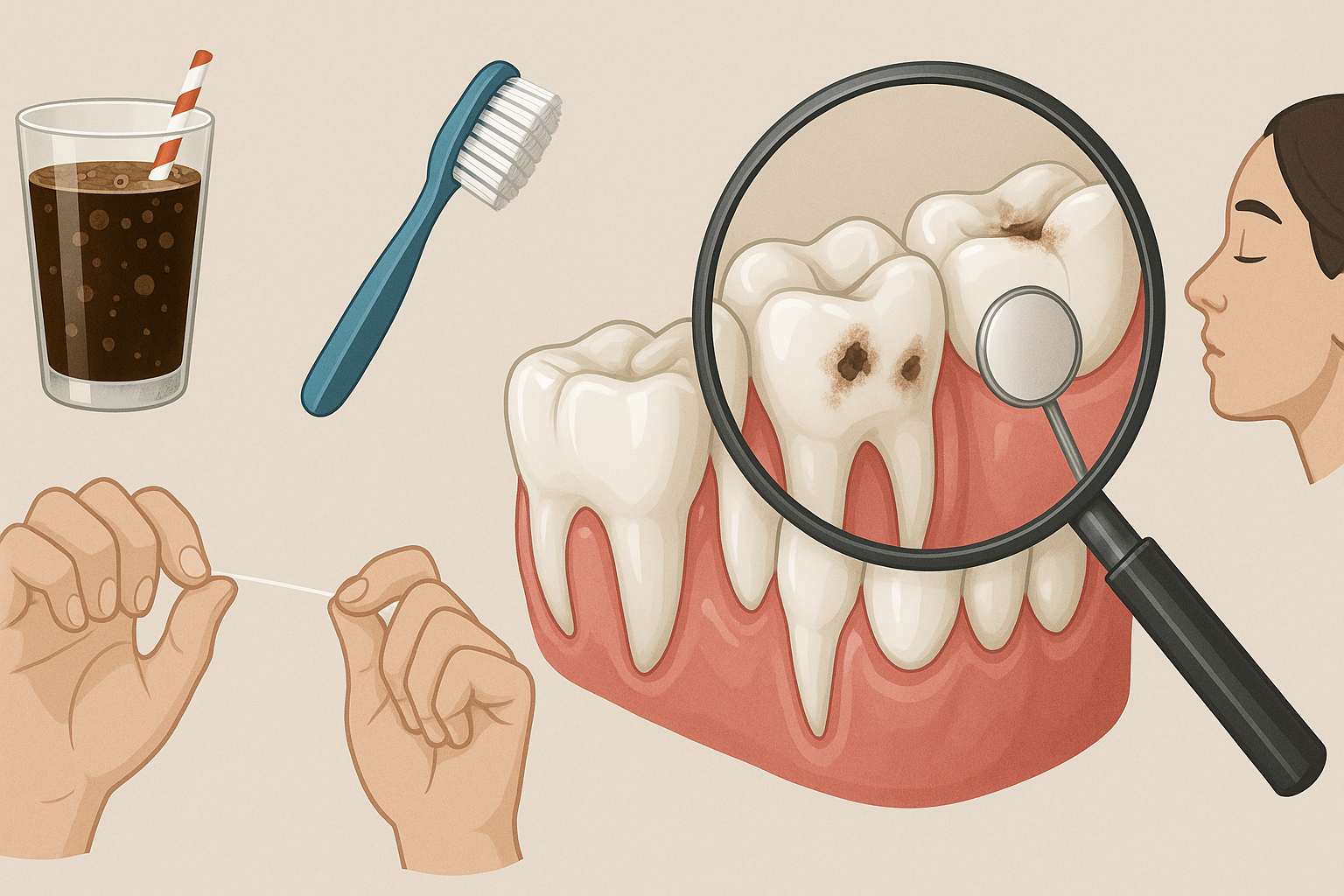
Everyone wants a bright, healthy smile. But sometimes, the biggest threats to our teeth don’t come from what we don’t do — they come from the little habits we repeat every day without even realizing the damage. Let’s uncover five daily habits that could be silently destroying your teeth, and learn what can be done to fix them before it’s too late.
1. Sipping Sugary Drinks Throughout the Day
Whether it’s soda, energy drinks, sweetened iced tea, or flavored water, sipping on sugar-filled beverages throughout the day can be a major enemy to dental health. These drinks coat your teeth in sugar, which feeds bacteria and creates acids that attack enamel.
Even worse, continuous sipping means your teeth are under constant acid attack, giving them no time to recover or rebuild their natural strength. Switching to water between meals and limiting sugary drinks to mealtimes can significantly reduce this erosion.
Bonus tip: Try using a straw to minimize contact between the sugary liquid and your teeth.
2. Nail Biting and Chewing on Objects
Biting your nails, pencils, or even ice might seem like harmless habits, but they can lead to cracked teeth, enamel wear, and even misalignment of your bite. These habits also introduce bacteria into your mouth, increasing the risk of gum infections.
Dentists often see patients with chipped front teeth or jaw pain caused by repetitive chewing on hard objects. Breaking the habit with stress-relief techniques or using a bitter-tasting nail polish can make a big difference over time.
3. Brushing Too Hard or With a Hard-Bristled Toothbrush
Brushing is essential, but aggressive brushing does more harm than good. Using too much force or a hard-bristled brush can wear down your enamel and damage your gums, eventually causing sensitivity and gum recession.
The best way to brush is with a soft-bristled toothbrush using gentle, circular motions for two minutes, twice a day. Don’t scrub—let the toothpaste do its job. Brushing harder won’t make your teeth any cleaner; it’ll just wear them out faster.
4. Skipping Flossing and Only Brushing
It’s easy to think brushing alone is enough, but toothbrushes can’t reach the tight spaces between your teeth. Plaque builds up between teeth and along the gum line, and if not removed, it hardens into tartar, which can only be removed by a dentist.
Flossing daily helps prevent cavities, gum disease, and bad breath. It also helps keep your smile clean and polished. If traditional floss feels awkward, try using floss picks or a water flosser. It’s not about the method—it’s about being consistent.
5. Ignoring Dental Checkups
Even with the best brushing and flossing routine, professional cleanings and checkups are non-negotiable. Dentists can spot early signs of cavities, gum disease, or oral cancer that you might not notice yourself. Delaying checkups can lead to more expensive and painful treatments later.
Regular visits—typically every six months—are your best defense. If you’re searching for a trusted dentist near Sundance, it’s worth finding someone who makes you feel comfortable and prioritized.
Bonus Habit: Grinding Teeth (Bruxism)
Many people clench or grind their teeth during sleep, often without realizing it. This habit wears down enamel, causes sensitivity, and can lead to jaw pain or headaches. Signs include a sore jaw in the morning or flattened tooth surfaces.
Night guards prescribed by dentists can protect your teeth while you sleep. Stress management and avoiding caffeine or alcohol before bedtime can also help reduce grinding.
How to Turn Things Around
The good news? It’s never too late to break bad habits and start protecting your teeth. Here are a few simple but effective changes:
- Drink more plain water to rinse away sugar and acid.
- Keep sugar intake to a minimum, especially in between meals.
- Switch to a soft-bristled toothbrush and replace it every three months.
- Floss daily—even if it’s just one tooth to start with.
- Visit your dentist regularly, even if nothing feels wrong.
- Consider a custom night guard if you suspect you grind your teeth.
Your teeth aren’t just tools—they’re part of your health, your confidence, and your identity. Taking care of them now prevents bigger issues down the road.
Conclusion
A few small, daily choices can either protect or wreck your smile. By being mindful of what you eat, how you clean your teeth, and the habits you repeat without thinking, you can preserve your dental health for years to come.
Don’t let everyday routines silently ruin your smile. Be proactive, make small adjustments, and seek professional help when needed. A healthy, glowing smile starts with awareness—and continues with action.