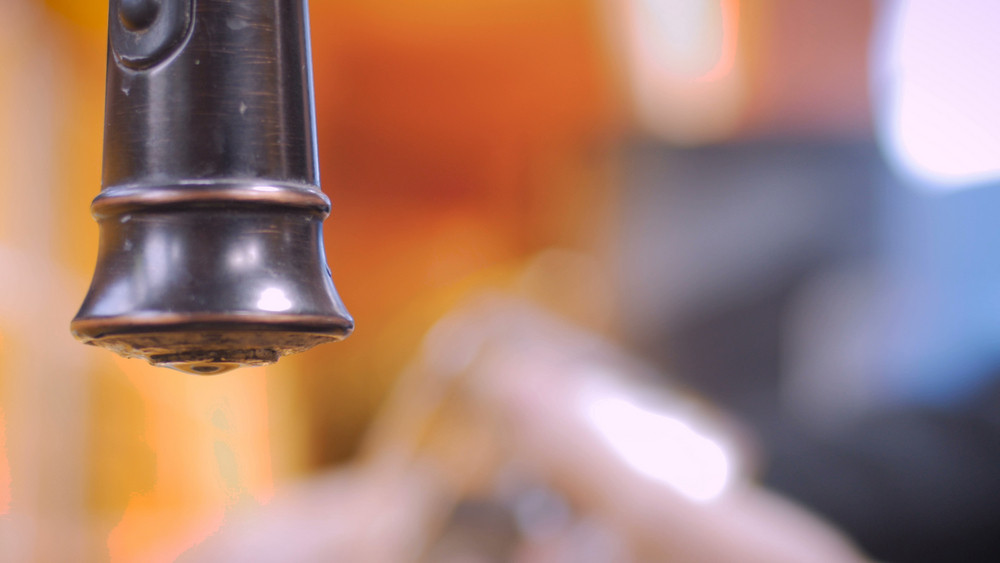
Water leaks are one of those home problems that are easy to dismiss. A slow drip here, a faint hiss behind the wall there, nothing that feels urgent enough to call a plumber over. But what if that small, seemingly harmless drip was silently draining your wallet and contributing to a nationwide water crisis? The truth about household leaks is far more alarming than most homeowners realize, and the fix is often simpler than you’d expect.
The Scale of the Problem Is Bigger Than You Think
Most people picture a leaky faucet as a minor nuisance, something to deal with eventually. But the numbers tell a very different story. According to Jobber, residential water leaks across the United States squander close to 1 trillion gallons of water every single year. To put that into perspective, that’s enough water to supply the entire city of Los Angeles for decades.
This isn’t just an environmental issue. Every gallon that drips away is a gallon you’re paying for on your water bill. Multiply that across months or years of ignoring a leak, and what started as a minor inconvenience becomes a significant financial burden. Leaks don’t stay small forever either. A worn washer or a cracked pipe fitting will only deteriorate over time, turning a cheap repair into a costly emergency if left unaddressed.
The hard reality is that water waste at this scale doesn’t happen because of catastrophic plumbing failures; it happens one dripping faucet at a time in millions of homes across the country.
Your Own Faucet May Be the Culprit
It’s tempting to think of water waste as someone else’s problem, but the leak contributing to that staggering national figure could be right in your kitchen or bathroom. According to iProperty Management, a single leaky faucet can waste more than 3,000 gallons of water over the course of a year. That’s roughly the amount of water needed to take over 180 showers.
The most common causes of leaky faucets include worn-out washers, damaged O-rings, and corroded valve seats, all issues that worsen with age and frequency of use. The good news is that most faucet leaks are DIY-friendly fixes that require basic tools and an inexpensive replacement part from your local hardware store. A 30-minute repair could save thousands of gallons annually.
Beyond faucets, other common household leak sources include:
- Toilets: A running toilet is one of the biggest water wasters in the home and often goes unnoticed because the sound is easy to tune out.
- Showerheads: Even a slow drip from a showerhead can add up to hundreds of gallons over time.
- Pipe joints and fittings: Leaks under sinks or inside walls are harder to detect but can cause significant water loss and structural damage if ignored.
Doing a quick audit of your home’s plumbing every few months can catch these issues early before they escalate.
The Hidden Cost Hiding in Your Water Bill
Even if you can’t see or hear a leak, your water bill might be trying to tell you something. According to the U.S. Environmental Protection Agency, leaks inside the average home can waste nearly 10,000 gallons of water per year, enough to fill a backyard swimming pool. Yet many homeowners have no idea the waste is happening because the leaks are out of sight, tucked inside walls, under floors, or behind appliances.
A sudden spike in your water bill without a clear explanation is one of the clearest warning signs of a hidden leak. Other red flags include:
- Unexplained wet spots or staining on walls, ceilings, or floors
- The sound of running water when no fixtures are in use
- A water meter that keeps moving even when everything is turned off
- Musty or mildew-like odors near walls or under cabinets
If you suspect a hidden leak, the water meter test is a simple first step. Turn off all water in your home, note your meter reading, and check it again after two hours. If the number has changed, you likely have a leak somewhere in the system. At that point, calling a licensed plumber is the smartest move hidden leaks can cause mold growth and structural damage that far exceeds the cost of the repair itself.
Household water leaks are one of the most overlooked and preventable problems in home maintenance. Whether it’s a dripping faucet you’ve been putting off or a hidden pipe leak quietly inflating your water bill, the impact adds up faster than most homeowners expect. The fix doesn’t always require a major renovation or a large plumber’s bill. Often, it starts with simply paying attention. Inspect your fixtures, monitor your water bill, and don’t let a small drip turn into a big problem. Your wallet and the water supply will thank you.