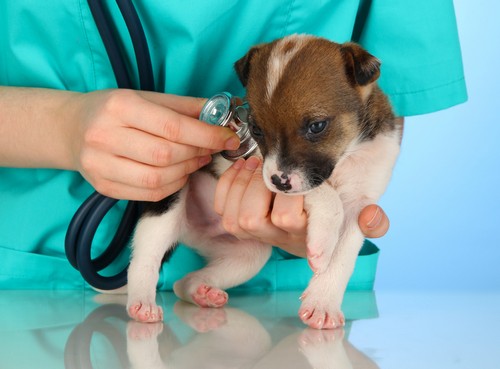
New puppies and kittens need different care than adult pets. Their bodies grow fast. Their immune systems stay weak. Their behavior can shift overnight. You may feel unsure about what is normal and what is a warning sign. An animal hospital gives you clear answers and a safe plan. A Kenosha veterinarian checks your young pet from nose to tail. Then the team sets up vaccines, parasite control, nutrition support, and behavior guidance. Each step focuses on early protection, not crisis response. This support reduces pain, disease, and long hospital stays later in life. You also learn how to handle chewing, biting, or hiding. You leave with specific steps, not guesswork. When you use specialized puppy and kitten care, you protect your pet’s body, mind, and future comfort. You also protect your own peace of mind.
Why young pets need different care
Puppies and kittens face threats that adult pets already fought off. They pick up germs from floors, soil, and other animals. They chew unsafe objects. They squeeze through gaps and fall from heights. A routine exam at an animal hospital catches problems early.
Veterinary teams pay close attention to three things. Growth. Immunity. Behavior. Each one can change fast during the first year. Missed visits can lead to pain, fear, or lasting damage.
- Growth checks find bone or joint problems.
- Immune support through vaccines and parasite control lowers disease risk.
- Behavior guidance helps prevent biting, scratching, and fear.
You get clear facts instead of online noise. That cuts worry and helps you act with confidence.
First visits and routine exams
First visits usually happen soon after you bring your puppy or kitten home. The team reviews any records from a shelter or breeder. Then the exam starts at the nose and ends at the tail.
The visit often includes checks of the:
- Eyes, ears, teeth, and gums
- Heart and lungs
- Joints, spine, and paws
- Skin and coat
- Weight and body shape
The veterinarian may run stool tests for worms. The team may also suggest blood tests in some cases. These steps look for silent disease before signs appear. The American Veterinary Medical Association stresses regular care for young pets to support safe growth.
Vaccine and parasite care schedules
Puppies and kittens need a series of vaccines. One shot does not give lasting defense. The timing depends on age and past care. The goal is to close the gap between fading maternal immunity and full adult immunity.
Puppy and kitten care timeline
| Age | Puppies | Kittens |
|---|---|---|
| 6 to 8 weeks | First core vaccines. Stool test. Start deworming. | First core vaccines. Stool test. Start deworming. |
| 10 to 12 weeks | Booster vaccines. Flea and tick prevention. Heartworm prevention. | Booster vaccines. Flea control. Discuss indoor and outdoor risks. |
| 14 to 16 weeks | Final puppy boosters. Rabies vaccine is required. Ongoing preventives. | Final kitten boosters. Rabies vaccine is required. Ongoing preventives. |
| 6 to 12 months | Spay or neuter. Adult vaccine plan. Weight check. | Spay or neuter. Adult vaccine plan. Weight check. |
This schedule can change with health history or local disease patterns. Your veterinarian adjusts it for your home, your yard, and your travel plans.
Nutrition and growth support
Food shapes growth. Wrong food or wrong feeding amounts can stunt growth or strain joints. An animal hospital reviews what you feed and how often.
Teams often cover three key points.
- Choose puppy or kitten food with clear labels and proven feeding trials.
- Feed measured meals rather than constant access to food.
- Track weight at each visit to spot fast gain or loss.
The United States Food and Drug Administration explains how pet food labels work and why complete and balanced diets matter. Your veterinarian uses this science and applies it to your own pet.
Spay, neuter, and long-term health
Spaying and neutering decisions affect health and behavior. Early talks at puppy and kitten visits help you set a plan. The right timing depends on breed, size, and lifestyle. The hospital team explains benefits and risks in plain language.
These surgeries can reduce certain cancers. They also lower roaming, spraying, and some types of aggression. Clear facts help you choose the best age and care plan for your pet.
Behavior support and social growth
Young pets learn fast. They also learn fear fast. Animal hospitals guide you through this short window. You get simple steps for house training, litter box habits, chewing, scratching, and play biting.
Most teams stress three behavioral rules.
- Reward calm behavior.
- Redirect rough play to toys.
- Expose your pet to new sounds and people in safe ways.
Early help prevents long-lasting fear and aggression. That protects your pet and your family.
Emergency warning signs
Puppies and kittens can fade quickly. A small problem can grow during a single night. Your veterinarian explains the warning signs that need urgent care.
Common red flags include:
- Refusing food for a full day
- Repeated vomiting or watery stool
- Hard breathing or constant coughing
- Swollen belly or crying when touched
- Seizures or sudden collapse
You learn when to call, when to watch, and when to go straight to urgent care. That guidance can save a life.
Your role as a partner in care
Animal hospitals do more than treat illness. They teach. They listen. They build a plan with you. You bring daily observations. The team brings medical training. Together, you guard your puppy or kitten during the most fragile stage of life.
With steady exams, vaccines, parasite control, sound food, and behavior support, you give your young pet a strong start. That strong start leads to fewer crises, fewer costs, and quieter years at home.