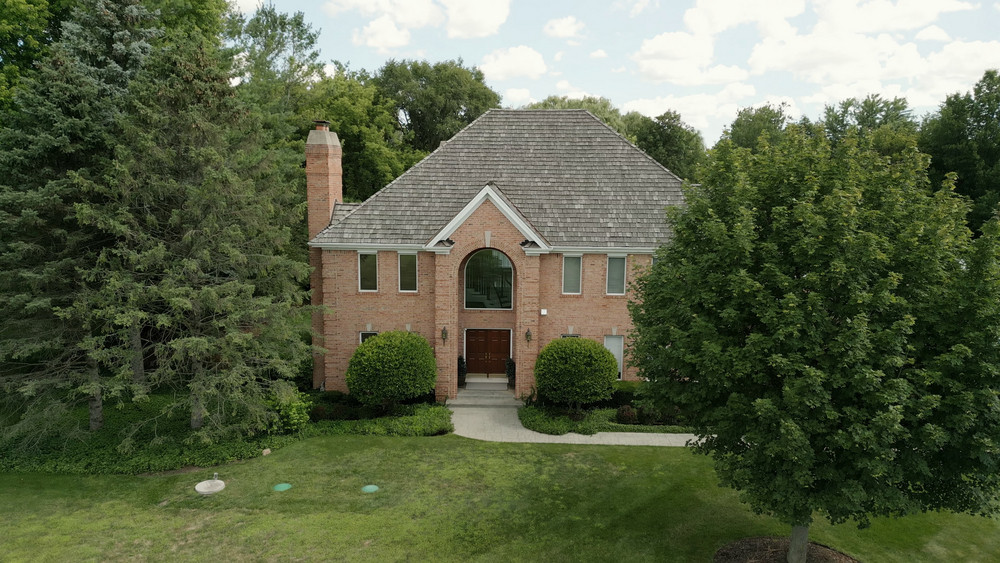
A roof is one of the most important protective structures of any home. It shields the interior from rain, wind, snow, and extreme temperatures while also contributing to the home’s structural integrity and overall appearance. Because replacing a roof can be a significant investment, homeowners often want to know how they can extend its lifespan and avoid premature replacement.
The good news is that with proper care and routine maintenance, many roofing systems can last for decades. Simple preventative steps and regular inspections can help homeowners protect their roofs from damage and ensure the materials continue performing as intended. By taking a proactive approach to roof care, you can maximize the lifespan of your roof and protect your home for many years.
Understand the Expected Lifespan of Your Roof
The first step in extending the lifespan of a roof is understanding how long the materials are designed to last. Roofing systems vary depending on the material used, but most residential homes rely on asphalt shingles because they offer a strong balance between durability and affordability.
According to Foremost Insurance, shingle roofs should last between 15 and 30 years. The exact lifespan depends on factors such as climate conditions, installation quality, and maintenance practices. Homes that receive regular inspections and repairs often see their roofs last closer to the upper end of that range.
Knowing the expected lifespan of your roof allows homeowners to monitor aging materials more carefully. As roofing systems approach the later years of their lifespan, routine inspections become especially important to catch small problems before they become serious.
Schedule Regular Roof Inspections
Routine roof inspections are one of the most effective ways to extend the life of a roofing system. Over time, weather exposure can loosen shingles, damage flashing, or create small gaps that allow moisture to enter.
Professional inspections help identify these issues early. Roofing contractors can evaluate the condition of shingles, ventilation systems, and drainage components to ensure everything is functioning properly.
By addressing minor issues quickly, homeowners can prevent them from developing into larger problems that require costly repairs. Early intervention helps preserve the integrity of the roofing system and allows it to continue protecting the home effectively.
Regular inspections also provide homeowners with a better understanding of their roof’s condition and how much life remains in the materials.
Keep Gutters and Drainage Systems Clean
Proper drainage plays a crucial role in maintaining a healthy roof. Gutters are designed to carry rainwater away from the roof and direct it safely away from the home’s foundation.
When gutters become clogged with leaves, dirt, or debris, water may begin to pool along the roofline. Standing water can seep beneath shingles and damage the underlying roof structure. Over time, this moisture exposure may lead to rot, mold growth, or structural deterioration.
Cleaning gutters regularly helps ensure water flows properly through the drainage system. This simple maintenance task protects the roof from water damage while also preventing problems around the home’s foundation.
Maintaining clear drainage pathways helps roofing materials perform as designed and reduces unnecessary wear.
Address Small Repairs Immediately
Many roofing problems begin as minor issues that can be repaired quickly if detected early. A loose shingle, small crack, or damaged flashing may not seem like a serious concern at first. However, these small vulnerabilities can allow moisture to enter the roofing system.
Once water penetrates the roof, it can spread to insulation, ceilings, and structural components. Over time, this moisture can weaken the roof deck and lead to costly repairs or replacement.
According to RubyHome, 33% of homeowners replace their roofs due to leaks. Preventing leaks through timely repairs is one of the most effective ways to extend the life of a roof.
By addressing small issues as soon as they appear, homeowners can protect the structure of the roof and avoid the need for major repairs later.
Maintain Proper Roof Ventilation
Roof ventilation plays an important role in regulating temperature and moisture levels inside the attic space. Poor ventilation can trap heat and humidity beneath the roof, which may cause roofing materials to deteriorate faster.
Excess heat can warp shingles and weaken adhesives that hold them in place. Moisture buildup can also encourage mold growth and damage wooden roof structures.
Proper ventilation allows hot air and moisture to escape, helping maintain a balanced temperature within the attic. This airflow protects roofing materials and prevents unnecessary strain on the roof.
Ensuring vents remain clear and functional is a simple but effective way to preserve the health of a roofing system.
Trim Overhanging Tree Branches
Trees can provide shade and enhance the appearance of a property, but branches that hang too close to the roof can create problems. During storms or high winds, branches may break and fall onto the roof, damaging shingles and other roofing components.
Even smaller branches can scrape against shingles over time, gradually wearing down protective surfaces. Leaves and debris from nearby trees can also accumulate on the roof and contribute to drainage issues.
Trimming branches away from the roof reduces these risks and helps maintain a clean roofing surface. Proper tree maintenance protects roofing materials from unnecessary damage.
Protect Your Investment in Home Value
A well-maintained roof not only protects your home but also contributes to its overall value. When potential buyers evaluate a property, the condition of the roof is often a major consideration.
According to Today’s Homeowner, a fresh asphalt roof typically returns 60% to 70% of its cost in improved home value. This makes roofing maintenance and replacement an important investment for homeowners who want to preserve the value of their property.
Keeping the roof in good condition ensures it continues providing both structural protection and visual appeal.
Extending the lifespan of your roof requires consistent care and attention. Regular inspections, prompt repairs, proper drainage maintenance, and good ventilation all help roofing materials perform at their best. By understanding the expected lifespan of your roof and taking preventative steps to protect it, homeowners can avoid premature replacement and costly damage. With routine maintenance and professional support when needed, a roof can continue protecting your home for decades while contributing to the long-term value of your property.