You might be looking in the mirror and feeling that something about your smile just does not look quite right. Maybe you had a tooth removed and are now considering dental implants in Boston MA, or you have an older crown that looks a little too bright, too bulky, or just not like the rest of your teeth. You want to fix it, but you also do not want a “fake” looking tooth that everyone can spot from across the room.end
If that sounds familiar, you are not alone. Many people worry that dental implants or crowns will stand out, feel strange, or look plastic. At the same time, you probably want to smile without thinking about angles, lighting, or who is watching. Because of this tension, you might wonder whether custom implant crowns can really look as natural as your own teeth.
The short answer is yes. When done thoughtfully, custom implant crowns for a natural-looking smile are designed to blend in with your face, your bite, and your personality, not just your teeth. They can restore chewing strength and comfort, while also giving you the kind of quiet confidence that comes from not thinking about your teeth at all.
So, where does that leave you right now? This guide walks through why some teeth look “fake,” how custom work changes that, what to weigh before you commit, and simple steps you can take to move forward with more clarity and less stress.
Why some crowns look fake and how custom implant crowns change that story
It often starts very simply. A tooth breaks, an old filling fails, or a tooth is lost to decay or gum disease. You are told you need an implant and a crown. You agree because you want to fix the problem. Then the crown goes in, you look in the mirror, and something feels off. The color is a shade too white. The shape is a little too square. The way it meets the gum does not mirror the tooth next door.
That small mismatch can have a surprisingly big emotional impact. You may catch yourself avoiding photos or smiling with your lips closed. You might feel that people are staring at your teeth, even if they are not. On top of that, you may be frustrated because you invested time and money, yet you still do not feel “done.”
So why does this happen? Often, it is because the crown was treated as a standard part, not as a custom piece of your face. One generic shade, one generic shape, minimal attention to gum contour, or how light passes through the tooth. It can function well, but it does not feel like you.
Custom implant crowns are built on a different idea. The goal is not just to “fill the space.” The goal is to recreate the tooth that should have been there. That means looking closely at:
- The color layers in your natural teeth, not just the surface shade
- The small curves, angles, and “imperfections” that make your smile unique
- How your lips frame your teeth when you talk, smile, or rest
- The shape and health of the gums around the implant
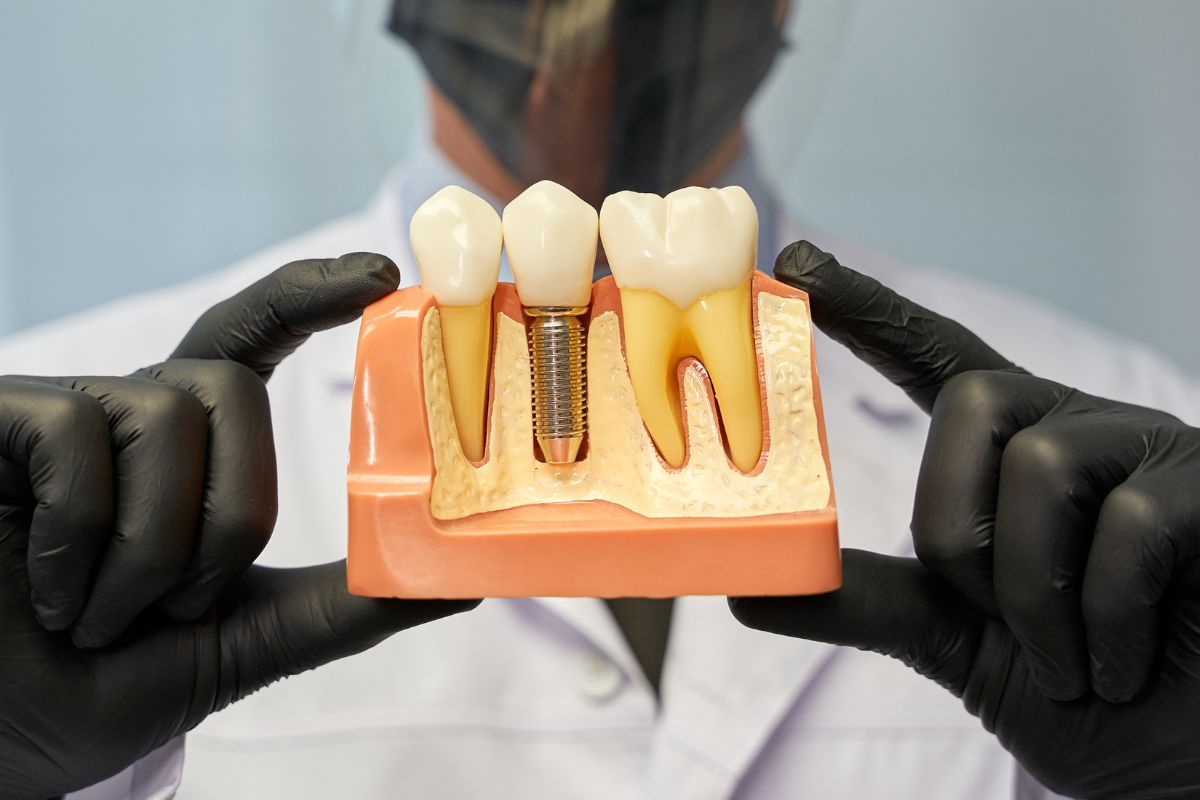
Modern implant crowns can be shaped digitally and then fine-tuned by hand. They can be made from materials that mimic the way real enamel handles light, so your new tooth does not look flat or opaque. As a result, natural-looking implant restorations are possible, even in the front of the mouth where every detail shows.
If you would like a more medical overview of how implants work in general, you can review trusted resources from the U.S. Food and Drug Administration on dental implants or learn about the basics through the Columbia University dental implant library.
What should you weigh before choosing custom implant crowns
Once you know that better is possible, a different set of worries often shows up. You might ask yourself, “Is it worth the extra cost. How long will it last? What if something goes wrong with the implant under the crown?” These are fair questions.
On the emotional side, there is usually a mix of hope and fear. Hope that you can finally fix the gap or the dark tooth that has bothered you for years. Fear that you might spend more and still not like how it looks. You might also be nervous about more time in the chair or another surgery.
Financially, a custom crown often costs more than a basic one, especially on an implant. It is helpful to remember that most of the time, you are paying for chair time, planning, and the skill of the dentist and lab technician, not just the material. When done well, though, a custom implant crown can last many years, which can make it more cost-effective over time compared with replacing a crown that you never liked.
Medically, you want to be sure your implant itself is stable and healthy. According to resources such as the Mayo Clinic overview of dental implant surgery, success depends on bone quality, gum health, and careful planning. A beautiful crown on a weak foundation is not a good investment. This is why a careful exam, including X-rays and a review of your medical history, matters so much before you commit to the final crown.
So, how can you undoubtedly compare your options?
Comparing standard crowns and custom implant crowns for natural results
The table below can help you see the differences between a more basic approach and a fully customized one for a single implant crown.
| Factor | Standard Implant Crown | Custom Implant Crown |
|---|---|---|
| Color match | Chosen from a basic shade guide. May look too bright or too flat. | Layered colors and translucency to mimic nearby teeth under different lighting. |
| Tooth shape | Generic shape, based on average size. | Designed from photos, scans, and bite records to mirror your natural tooth form. |
| Gum line fit | Standard contour that may not follow your natural gum curve. | Customized emergence profile to support a natural gum line and papilla (the little triangles between teeth). |
| Comfort when chewing | Functional, but may have small bite high spots that require adjustment. | Bite carefully balanced with digital and in-mouth checks to match your chewing pattern. |
| Appearance in photos | Can reflect light differently and stand out in close-up images. | Designed to blend, so the crown is not the “brightest” or most obvious tooth. |
| Planning time | Shorter planning and lab time. | More planning, often multiple shade checks, and try in visits. |
| Typical cost | Lower up-front cost. | Higher up-front cost, but may reduce the need for future remakes due to appearance. |
Seeing the differences laid out this way can make it easier to decide what matters most to you. For some people, a simple, functional crown is enough. For others, especially for front teeth, a truly natural implant crown is worth the extra planning and investment.
Three practical steps to move toward a more natural-looking implant crown
Once you start to consider custom work, the next question is simple. What should you do now?
1. Gather your records and take honest photos of your smile
Before you talk with an implant and cosmetic dentist, collect any recent X-rays, implant reports, and photos of your teeth from before you lost the tooth, if you have them. Then take a few clear photos of your current smile. Include a relaxed smile, a big smile, and a side view. These images help your dentist see what you see. They also help in planning the shape and position of the new crown, so it matches your face, not just your mouth.
2. Schedule a consultation focused on aesthetics, not just function
When you meet with a dentist who offers implant and cosmetic services, make it clear that your priority is a natural, undetectable result. Ask to see before and after photos of cases similar to yours. Ask who will actually design and make the crown, how they choose color, and whether they work with a quality lab.
Notice how you feel during the visit. Do you feel rushed? Do you feel heard? A dentist who takes time to study your face, your bite, and your goals is more likely to create a crown that truly fits you.
3. Discuss a clear plan, including timelines, costs, and “what if” scenarios
Before you say yes, ask for a written plan. This should outline the steps, from any needed scans and impressions to the try-in and final placement of your dental implant crown. Ask about:
- Estimated timeline from first visit to final crown
- Total cost and what is covered if adjustments or remakes are needed
- How will they check the health of the implant and gums before finishing
- What to expect in terms of care at home and follow-up visits
Knowing the “road map” reduces anxiety. It also gives you a chance to compare plans if you seek a second opinion, which is always reasonable if you are unsure.
Closing thoughts and next steps
You deserve a smile that feels like you. Not a smile that draws attention because one tooth looks different from the rest. With thoughtful planning and a custom approach, an implant crown can blend so well that you forget which tooth is the implant.
If you are living with a missing tooth, an older crown you dislike, or an unfinished implant, you do not have to stay stuck in that “in between” feeling. A skilled implant and cosmetic dentist can review your situation, explain your options in plain language, and work with you to create a result that looks natural in real life, not just under bright dental lights.
Your next step can be simple. Reach out to a trusted dentist who understands both function and appearance, bring your questions, and give yourself permission to ask for the smile that will let you relax again. You are not asking for perfection. You are asking to feel like yourself when you smile, and that is a very reasonable goal.