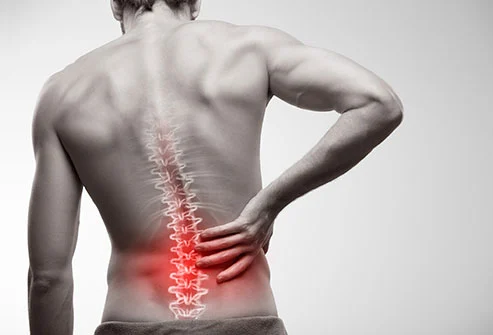
Lower back pain can affect anyone. It does not matter how old you are or what you do for a living. It may begin suddenly or build up slowly over time. For some, it feels like a dull ache. For others, it feels sharp or deep. The pain may go away in a few days, or it may last for weeks. In serious cases, it keeps coming back.
You do not have to suffer in silence. Lower back pain can be managed. But you need to know the cause, the right steps to take, and when to get help.
What Causes Lower Back Pain?
The lower back works hard all day, says Spina FX, an expert in minimally invasive image-guided treatments. It supports your upper body. It helps you bend, twist, and lift. That is why it is easy to strain or injure this part of the body.
Common causes include:
- Poor posture
- Sitting for many hours without moving
- Lifting heavy things the wrong way
- Weak muscles around the spine
- Bad mattress or improper sleeping positions
- Sudden movements or falls
- Carrying bags on one shoulder
- Wearing shoes that do not support your feet
There are also medical reasons behind lower back pain. These include:
- Slipped or bulging discs
- Arthritis
- Spine wear and tear
- Narrowing of the spinal canal
- Nerve compression
- Bone conditions
- Kidney infections or stones
When to See a Doctor
Some pain gets better with rest. But not all cases are simple. You should visit a doctor if:
- Pain stays longer than one week
- You cannot stand or walk properly
- The pain spreads to your legs
- You feel numbness or tingling
- Your legs feel weak
- You have pain after a fall or injury
- You find it hard to control your bladder or bowel movements
- You lose weight without trying
- You feel feverish with back pain
Getting care at the best hospital in Dubai can help you find out what is wrong and what treatment is best for you.
How Doctors Diagnose the Problem
The first step is a physical exam. The doctor may ask you to walk, bend, or raise your legs. This shows how your muscles and joints are working.
If needed, more tests are done:
- X-rays show the shape of bones
- MRI or CT scans check discs and soft tissues
- Blood tests may be done if there is a risk of infection
- Bone scans are used if a fracture or tumour is suspected
Once the reason for the pain is known, the right treatment can begin.
Home Care for Mild Pain
If the pain is new and not serious, simple home care can help:
- Rest for short periods, but do not stay in bed too long
- Use cold packs for swelling in the first two days
- Apply warm packs after two days to relax the muscles
- Avoid lifting heavy things
- Do not sit or stand in one position for long
- Sleep on a firm mattress
- Walk for a few minutes every hour
Simple stretching and light movement help the body recover faster.
The Role of Physical Therapy
For pain that stays longer or keeps coming back, physical therapy works well. A therapist can show you exercises that help you move better and reduce stress on your back.
Therapy can improve:
- Posture
- Flexibility
- Strength in your lower back and stomach
- Balance and walking
Therapists also teach you how to lift, bend, and sit the right way. Doing the exercises daily helps prevent pain in the future.
Medicines and Supportive Care
If home care and therapy are not enough, doctors may suggest other options:
- Pain relief tablets to reduce inflammation
- Muscle relaxants if your back feels tight or stiff
- Creams or gels for temporary relief
- Injections to reduce deep inflammation
Some people use belts or braces for support. These should only be used if your doctor tells you to. Using them for too long can weaken your muscles.
Manual therapy, dry needling, or massage may also be suggested for pain relief.
When Surgery Is Needed
Surgery is not needed in most cases. But for people who have serious problems like nerve compression or spine damage, it may be the only option.
Signs you may need surgery include:
- A slipped disc pressing on a nerve
- Spine that becomes unstable
- Pain that does not go away even after months of care
- Problems with walking or bladder control
Doctors at the best hospital in Dubai will only advise surgery if nothing else works. The procedure and recovery plan are explained clearly in advance.
Daily Habits That Can Help
Preventing pain is better than treating it. Simple changes in your habits can protect your back.
- Sit upright with support behind your back
- Place your feet flat on the ground while sitting
- Avoid soft chairs or sofas that make you sink
- Stand tall with your head straight and shoulders back
- Switch sides when carrying bags
- Lift objects by bending your knees, not your waist
- Stretch every morning and before going to bed
- Sleep on your side with a pillow between your legs
- Use a supportive mattress and pillow
The Link Between Stress and Pain
Your mind and body are connected. If you are stressed or anxious, your muscles may become tight. This can lead to pain or make existing pain worse.
To manage this, try the following:
- Deep breathing exercises
- Walking outdoors
- Listening to calming music
- Talking to someone you trust
- Doing something you enjoy every day
- Getting enough sleep
What to Avoid
Here are a few things you should avoid if you have back pain:
- Lifting anything heavy
- Slouching at your desk
- Sleeping on your stomach
- Ignoring your pain
- Doing high-impact workouts without guidance
- Using pain relief sprays or tablets without a doctor’s advice
Final Thoughts
Lower back pain is hard to ignore. It can take away your comfort, reduce your focus, and stop you from doing the things you enjoy. But the good part is that it can be treated.
By changing your posture, moving more, resting smartly, and following expert advice, you can reduce the pain. Most people feel better with simple care. Some need more support through therapy or medicine. A few may need surgery.
No matter what your case is, help is always available. Visit the best hospital in Dubai to get the care you need. Early treatment can save you from long-term trouble.
Your body tells you when something is wrong. Listen to it, act on it, and take control of your health—starting with your back.