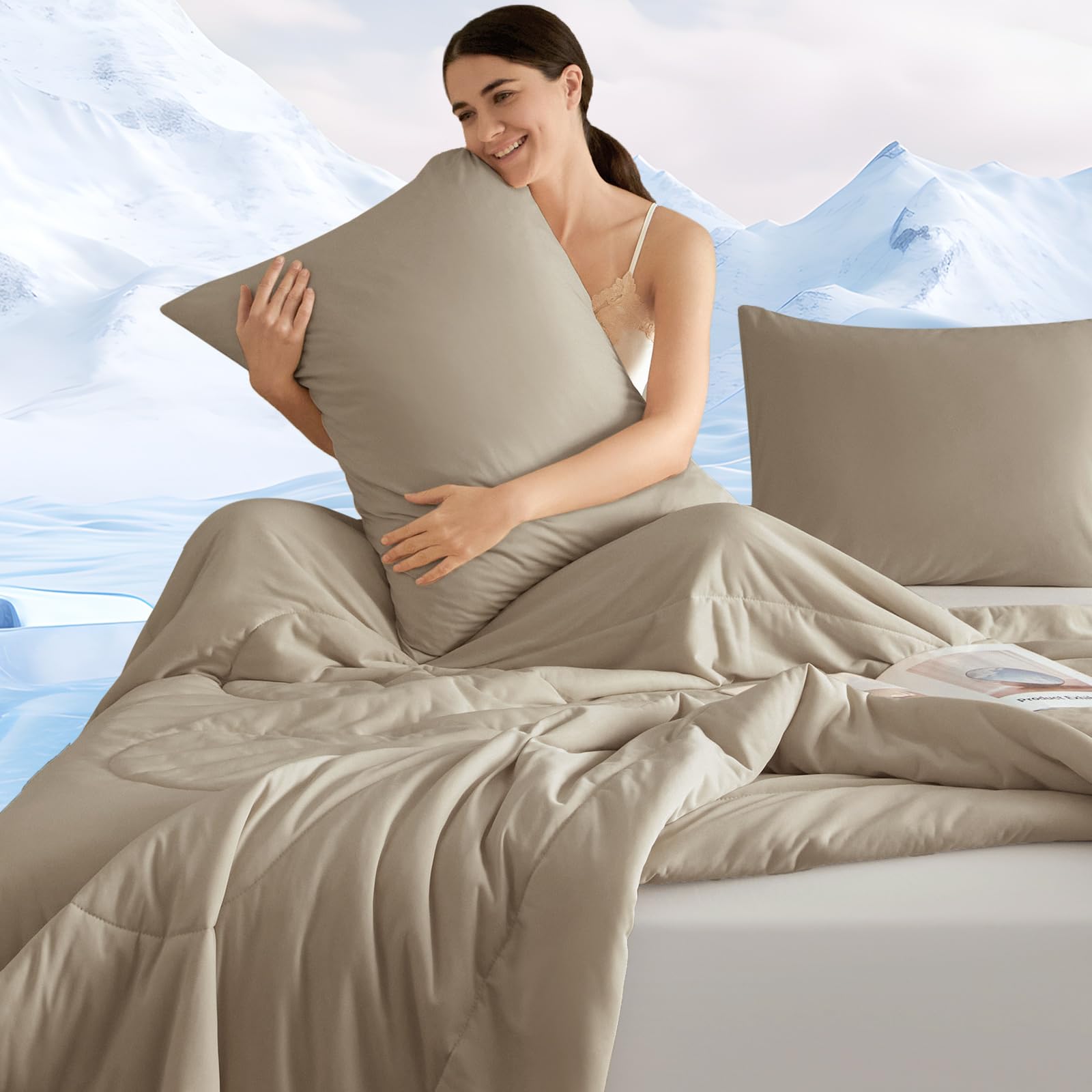
There’s nothing quite as frustrating as lying awake on a sweltering summer night, tossing and turning while your bedding traps heat against your body. Overheating during sleep is one of the most common complaints during warmer months, and it significantly disrupts rest, leaving you groggy and uncomfortable the next day. The solution isn’t blasting the air conditioning all night — it starts with what’s on your bed.
Summer comforter sets are specifically designed to keep sleepers cool, comfortable, and well-rested even when temperatures climb. Unlike standard bedding, these sets prioritize breathability, moisture management, and lightweight construction to support your body’s natural cooling process. Whether you’re renovating your bedroom or simply looking for a seasonal upgrade, choosing the right summer bedding can make a dramatic difference in your sleep quality.

This guide walks you through everything you need to know — from understanding what makes a summer comforter set effective, to identifying the best cooling features, selecting complementary breathable sheets, and following a practical step-by-step approach to upgrading your sleep setup for the warmer months ahead.
What Are Summer Comforter Sets and Why They Matter for Comfortable Bedding
A summer comforter set typically includes a lightweight comforter along with matching shams, pillowcases, and sometimes a flat sheet — all engineered specifically for warm-weather sleep. Unlike standard all-season bedding, these sets are built around one priority: keeping your body temperature regulated throughout the night without sacrificing comfort or style.
The core difference lies in construction and materials. Regular comforters often use dense fills and heavier fabrics that retain heat, which works well in winter but becomes a liability once temperatures rise. Summer sets swap these out for airy, moisture-wicking fabrics and minimal fills that allow heat to escape rather than accumulate. The result is bedding that feels cool to the touch, moves with your body, and doesn’t create that suffocating warmth that disrupts deep sleep cycles.

For homeowners looking to upgrade their bedroom environment, switching to a dedicated summer comforter set is one of the most impactful changes you can make. Better sleep directly affects energy levels, mood, and overall health — and the right bedding is the foundation of that improvement. Rather than compensating with excessive air conditioning, investing in breathable, thoughtfully designed summer bedding addresses the root cause of nighttime overheating.
Key Features of an Effective Cooling Comforter
Not all comforters marketed as “summer” or “cooling” actually deliver meaningful temperature regulation. Understanding which features genuinely make a difference helps you avoid products that simply look light but still trap heat. Two categories matter most: the materials used in construction and the physical design choices that influence how air moves through the bedding.
Breathable Materials and Technologies
Natural fibers consistently outperform synthetics when it comes to breathability. Cotton — particularly percale-woven or long-staple varieties like Egyptian or Pima — allows excellent airflow and absorbs moisture without feeling damp. Linen is even more breathable and becomes softer with each wash, making it a durable warm-weather option. Bamboo-derived fabrics offer a silky feel combined with natural moisture-wicking properties. On the technology side, some modern comforters incorporate gel-infused fibers or phase-change materials that actively absorb and release body heat, maintaining a more stable surface temperature throughout the night.
Design Elements for Optimal Airflow
Beyond fabric choice, how a comforter is constructed significantly affects ventilation. Baffle box stitching — where the fill is divided into individual compartments — prevents clustering and ensures even distribution, eliminating dense hot spots. Lightweight fills, such as thin down or down-alternative clusters with a low fill power rating, provide just enough insulation without creating a heat-trapping barrier. Open-weave shell fabrics further enhance airflow by allowing warm air to escape freely, keeping the sleeping surface consistently cool and comfortable through the night.

Choosing the Right Breathable Sheets to Complement Your Comforter
A cooling comforter can only do so much if the sheets underneath work against it. The right pairing amplifies breathability across your entire sleep surface, creating a cohesive system that manages heat and moisture from every angle. When selecting sheets for summer, fabric type is your first consideration. Percale-woven cotton — with its crisp, matte finish — is widely regarded as the gold standard for warm-weather sheets, offering a cool-to-the-touch feel that sateen weaves simply can’t match. Linen sheets are another excellent choice, naturally temperature-regulating and increasingly soft over time. For thread count, aim for the 200–400 range; higher counts often use finer, more tightly packed yarns that actually restrict airflow despite feeling luxurious. Matching your sheet set to your comforter goes beyond aesthetics — choose fabrics in the same material family to ensure consistent breathability and moisture management. A bamboo comforter, for instance, pairs naturally with bamboo or Tencel sheets, maintaining that smooth, moisture-wicking performance throughout the night. Brands like Breescape Home offer coordinated sets in compatible natural fiber families, which takes the guesswork out of building a cohesive sleep system.
Enhancing Your Sleep with Cooling Sleep Accessories
Even the best summer comforter set performs better when supported by the right accessories. Cooling pillows filled with shredded latex or gel-infused memory foam actively dissipate heat from your head and neck — areas particularly prone to overheating. A breathable mattress topper made from natural latex or ventilated foam adds another layer of temperature regulation beneath you, preventing heat from building up at the mattress surface. A strategically placed fan improves air circulation across your entire sleep environment, helping moisture evaporate faster and keeping the ambient temperature consistent. Together, these additions work in harmony with your summer comforter set to create a complete cooling system rather than relying on any single product to do all the work.
How to Discover and Select High-Quality Summer Bedding
Evaluating Material and Construction
Quality summer bedding reveals itself in the details. Start by checking fabric certifications — OEKO-TEX Standard 100 or GOTS certification confirms that materials are free from harmful chemicals and meet genuine quality standards. For comforters, examine the shell fabric by holding it up to light; a well-constructed shell allows light to pass through evenly without thin patches. Check stitching along seams and corners, where poor construction typically shows first. For fill, higher thread count shells on down comforters prevent feather leakage, while down-alternative fills should feel consistently distributed without clumping. Customer reviews mentioning long-term durability after multiple washes are more reliable indicators of quality than marketing claims alone. Request fabric swatches when possible, or purchase from retailers with generous return policies so you can test breathability firsthand before committing.
Budget-Friendly vs. Premium Options
The gap between budget and premium summer bedding is real, but it doesn’t always justify the price difference for every sleeper. Mid-range sets — typically using quality cotton percale or bamboo blends — deliver strong breathability and durability without the premium markup. Where spending more genuinely pays off is in long-staple natural fibers like Egyptian cotton or responsibly sourced down, which maintain their performance and softness significantly longer than cheaper alternatives. Budget options often use shorter fibers that pill and lose breathability after a season or two, making replacement costs add up. A practical approach: invest in a quality comforter built to last several years, then pair it with mid-range sheets you can rotate and replace more affordably as needed.
Step-by-Step Guide to Upgrading Your Bedding for Summer Comfort
Transforming your sleep setup for summer doesn’t have to be overwhelming. Following a structured approach ensures you make smart choices that work together rather than purchasing items that don’t complement each other.
Step 1: Assess your current bedding situation. Pull out your existing comforter and sheets and honestly evaluate them. Do you wake up sweaty? Does your bedding feel heavy or stiff? Note what’s not working — whether it’s fabric weight, material type, or lack of moisture management — so you have clear criteria going into your search.
Step 2: Research and compare summer comforter sets. Focus your search on sets featuring natural fibers like cotton percale, linen, or bamboo. Cross-reference product descriptions with customer reviews specifically mentioning summer use and post-wash performance. Look for certifications like OEKO-TEX that verify material quality, and narrow your shortlist to two or three options before deciding. Home goods specialists such as Breescape Home are worth including in that shortlist, particularly for shoppers prioritizing certified natural materials.
Step 3: Select complementary sheets and accessories. Once you’ve chosen your comforter, match your sheets to the same material family for consistent breathability. Add a cooling pillow and ventilated mattress topper if overheating is severe, prioritizing items that address your specific weak points.
Step 4: Purchase and set up your new sleep environment. Wash all new bedding before first use according to care instructions — this activates natural fiber softness and removes any manufacturing residues. Layer your bedding intentionally, keeping the setup minimal and uncluttered.
Step 5: Maintain for longevity. Wash your summer comforter every two to four weeks using a gentle cycle and low heat drying to preserve fiber integrity. Store it in a breathable cotton bag during off-season months rather than plastic, which traps moisture and degrades fill over time.

Building Your Ideal Cool Sleep Environment
Summer nights don’t have to mean restless, sweat-soaked sleep. As this guide has shown, the right bedding choices make a genuine, measurable difference in how well you rest when temperatures rise. Summer comforter sets stand apart from standard bedding precisely because they’re engineered around breathability — using natural fibers like cotton percale, linen, and bamboo, combined with thoughtful construction that promotes airflow rather than trapping heat against your body.
Beyond the comforter itself, the full picture matters: pairing it with breathable sheets in a compatible material family, adding targeted accessories like cooling pillows and ventilated mattress toppers, and following a deliberate selection process that prioritizes certified quality over marketing language. Each layer of your sleep environment contributes to the whole, and getting them working together is what transforms an ordinary bedroom into a genuinely cool, restorative retreat.
The investment is worth making. Quality summer bedding outlasts multiple seasons when properly maintained, meaning the cost per night of genuinely good sleep is remarkably low. Start by assessing what’s currently failing in your setup, then work through the steps outlined here with clarity and intention. Better sleep this summer — and every summer after — is well within reach.