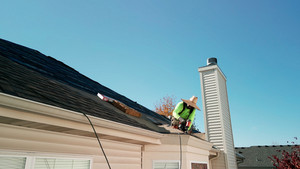
Deciding between reroofing or repairing your home’s roof can be daunting. With multiple factors to consider, it is essential to know when to opt for a full reroof or a targeted repair. This article will guide you through the decision process, ensuring you make an informed choice without breaking the bank.
Understanding the Lifespan of Your Roof
Evaluating the longevity of your roofing materials is a crucial first step. According to RubyHome, the lifespan of a roof varies widely—from 20 to 50 years—based on the type and quality of the materials used. Knowing the estimated lifespan of your current roof can help you determine if a replacement or repair is necessary.
Establish the age of your roof and compare it to the expected lifespan. If your roof is nearing the end of its lifecycle, a reroof may be more cost-effective in the long run. However, if the roof is relatively new and only small areas are damaged, targeted repairs could be sufficient.
Maintenance history is another factor in determining whether to repair or replace. Regular upkeep can extend the life of a roof significantly. If your roof has been well-maintained but has issues, consider individual repairs as a viable option.
Evaluating the Cost Difference
Cost is often the biggest driving factor for homeowners when deciding whether to reroof or repair. Installing a new roof typically involves significant labor and material expenses. According to Medium, it can take anywhere from 3 to 7 days to install a new roof, which translates into substantial labor costs.
In contrast, repair jobs might seem less expensive on the surface, but frequent repairs can quickly add up. Consider the extent of the damage and get multiple quotes to assess potential costs accurately. It’s essential to weigh short-term savings against long-term benefits to ensure you are making an economically wise decision.
You must also factor in any possible downtime or disruptions to your household. A full reroof can cause inconvenience due to longer construction periods. Analyzing your budget and your willingness to endure these disruptions can help you decide the best course of action.
Making the Final Decision
Your decision to reroof or repair your home should be based on a combination of factors. According to RubyHome, over 5 million new roofs are installed annually across the United States. Consulting with several reputable contractors for professional assessments and quotes can give you insights tailored to your specific circumstances. These experts can better advise whether your roof could benefit more from repair work than a complete reroof.
Homeowners often fall into the trap of opting for the cheaper choice upfront. However, investing in a full reroof can sometimes result in cost savings down the line. Weigh the importance of structural integrity and material degradation when making your decision.
Ultimately, the goal is to maintain a safe and secure home environment. Whether repairing or reroofing, ensure that your investment aligns with the long-term safety and comfort of your household. Don’t compromise on quality for short-term savings.
Choosing between reroofing and repairing your roof is complex but necessary for a secure home. Understanding the lifespan, cost implications, and expert advice will guide you in making a well-informed decision. Ultimately, prioritize the safety and longevity of your home to ensure your investment pays off.