Household pests can cause more than occasional frustration. Ants can invade kitchens, cockroaches can spread throughout a property, and other insects may damage belongings or create unsanitary conditions. Although some infestations begin with just a few pests, they can become difficult to manage when homeowners overlook early warning signs. Understanding how pests enter homes, what attracts them, and which prevention methods work best can help you maintain a cleaner, more comfortable living environment.
Identify Common Household Pests Before Problems Grow
Recognizing common household pests is an important first step toward preventing infestations. Ants, cockroaches, spiders, and other insects often enter homes searching for food, water, or shelter. Identifying the pests you encounter can help you determine where they may be nesting and which prevention methods are most appropriate for your situation.
Ants are especially common in residential properties, often appearing near food storage areas, kitchen counters, and garbage containers. According to OneDesk, approximately half of American homeowners experience an ant problem each year. These insects can enter through tiny cracks around windows, doors, foundations, and utility openings. Even small amounts of food residue or standing water can encourage ants to return, making consistent cleaning an important part of prevention.
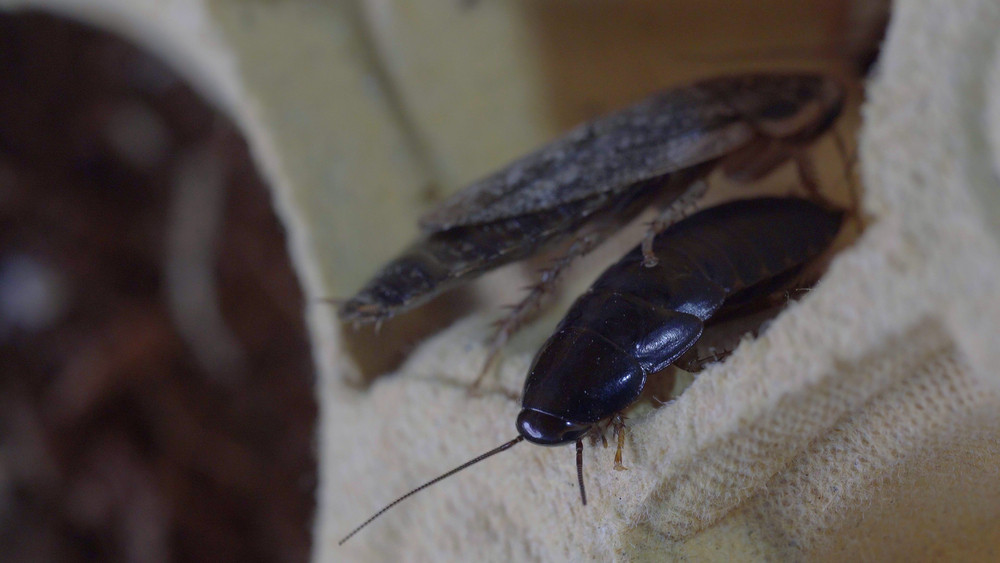
Cockroaches present another challenge because they can hide in narrow spaces and remain active when homeowners are unaware of their presence. They are frequently found near plumbing fixtures, appliances, drains, and other areas where moisture is available. Droppings, egg cases, unpleasant odors, and nighttime sightings may indicate an infestation that requires attention.
Different pests require different management strategies, so avoid assuming that one solution will work for every situation. For example, ant baits may help control certain ant populations, while cockroach infestations may require a combination of sanitation, exclusion, monitoring, and targeted treatments. If pests continue appearing despite your prevention efforts, identifying the species and locating its source can help you determine the next steps.
Remove the Conditions That Attract Pests
Preventing household pests often begins with making your home less appealing to them. Food scraps, excess moisture, clutter, and accessible garbage can provide the resources insects need to survive. Addressing these conditions reduces the likelihood of pests establishing themselves indoors and can make other control measures more effective.
Start by cleaning kitchen surfaces regularly, sweeping floors, and promptly wiping up spills. Store pantry items in tightly sealed containers, avoid leaving pet food out overnight, and empty garbage bins before waste accumulates. Pay attention to areas behind refrigerators, beneath sinks, and around stoves, where crumbs and moisture can collect unnoticed.
Water management is equally important. Repair leaking faucets and pipes, dry wet areas, and check for condensation around plumbing fixtures and appliances. Outside, clean gutters when needed and address drainage issues that allow water to collect near the foundation. Reducing unnecessary moisture can make your property less attractive to insects seeking a reliable water source.
Clutter can also create hiding places that make pest activity harder to detect. Keep storage areas organized, avoid leaving cardboard boxes stacked for long periods, and inspect items brought inside from garages, sheds, or other storage spaces. Outdoors, maintain a reasonable gap between vegetation and the home’s exterior, remove accumulated debris near the foundation, and keep firewood stored away from exterior walls when possible.
Regular maintenance helps these efforts remain effective. Check window screens, door sweeps, weatherstripping, and other barriers for gaps that insects could use to enter. Sealing openings around pipes and utility lines can also limit access. According to Forbes, a cockroach population can grow from a single adult to 30,000 members within one year, illustrating why addressing pest activity early is important.
Choose Pest Control Methods Carefully
When preventive measures are not enough, homeowners may need additional pest control solutions. The appropriate approach depends on the pest species, the severity of the infestation, and the areas affected. Starting with targeted methods can help address the problem without relying unnecessarily on widespread chemical treatments.
Many homeowners already use products designed to control insects and other household pests. According to the Environmental Protection Agency (EPA), 75% of U.S. households use at least one pesticide product in their homes. However, using these products responsibly is essential, particularly in homes with children, pets, or people who may be sensitive to certain chemicals.
Always read the product label before applying a pesticide, follow the listed directions, and use it only for approved purposes. Never assume that applying a larger quantity will produce better results. Store pesticides in their original containers, keep them out of reach of children and pets, and follow any instructions concerning ventilation, protective equipment, and reentry after treatment.
Consider nonchemical approaches when appropriate, including sealing entry points, removing food sources, and using traps to monitor pest activity. These measures can complement targeted treatments and help reveal whether an infestation is improving. Avoid mixing pest control products or applying treatments in areas where they are not intended to be used.
For persistent infestations, professional pest control services may provide a more effective solution. A qualified provider can identify the pest, inspect likely nesting areas, and recommend a treatment plan suited to the property. Ask about the methods being used, necessary precautions, and follow-up visits before proceeding. Professional guidance can be especially useful when pests repeatedly return or when their nesting areas are difficult to access.
Protecting your home from common pest problems requires consistent cleaning, routine maintenance, and prompt attention to early warning signs. By reducing the conditions that attract insects, closing potential entry points, and choosing appropriate control methods, you can make your home less inviting to unwanted pests.