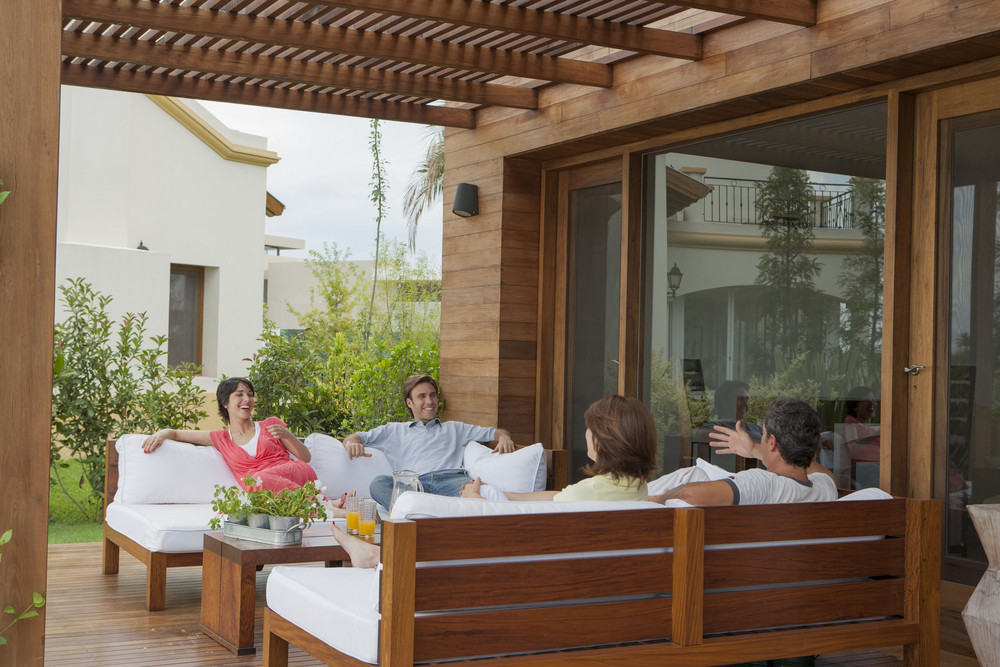
Improving your outdoor space can make your property more functional, attractive, and enjoyable. Whether you are considering a new patio, updated landscaping, or outdoor lighting, careful planning can help you get more value from your investment. Before starting a project, consider your goals, budget, maintenance preferences, and how you want to use your yard.
Plan Outdoor Lighting for Function and Appearance
Outdoor lighting can improve visibility while highlighting architectural details, pathways, gardens, and seating areas. Before selecting fixtures, consider which areas need additional illumination and how lighting can complement your landscape design. According to Grand View Research, the global outdoor lighting market is projected to reach $28.43 billion by 2030.
Start by identifying areas where lighting would make the biggest difference. Path lights can help people navigate walkways, while entrance lights improve visibility near doors. If you have a patio or outdoor dining area, strategically placed fixtures can make the space more comfortable to use after sunset.
Choose lighting based on the purpose of each area. Softer illumination can create a relaxing atmosphere around seating areas, while brighter fixtures may be more suitable for entrances and steps. Energy-efficient bulbs and timers can also help manage electricity consumption.
Placement matters just as much as fixture selection. Avoid positioning lights where they create excessive glare or shine directly into windows. Consider weather resistance, installation requirements, and maintenance needs when comparing products.
Planning lighting alongside other improvements can create a more cohesive design. Coordinating fixtures with pathways, planting beds, and patio features can help your yard feel connected. Making these decisions before installation can also reduce the need for expensive adjustments later.
Consider the Potential Value of a New Patio
A patio provides a dedicated area for outdoor dining, entertaining, and relaxing. When planning one, consider the available space, preferred layout, and how the finished area will connect to your home. According to HomeLight, a new patio offers a 109% return on investment, making it a potentially valuable home improvement.
Start by determining how you intend to use the patio. If you regularly host guests, you may want enough room for a dining table and additional seating. If you prefer a quiet retreat, a smaller patio surrounded by greenery may better suit your needs.
Material selection can influence your patio’s appearance, durability, and long-term costs. Concrete, pavers, and natural stone offer different styles, price points, and maintenance requirements. Compare these options and consider their suitability for your local climate before choosing a material.
You should also evaluate ground conditions before construction begins. Proper grading and drainage can help prevent water from collecting on the patio or flowing toward your home’s foundation. A qualified contractor can assess the site and recommend appropriate preparation.
Consider how the patio will connect with nearby walkways, gardens, and other seating areas. Planning these features together can improve movement throughout the yard and create a consistent design. Before hiring a contractor, request detailed estimates covering materials, labor, preparation, and project timelines.
Although a patio may contribute to property value, actual returns depend on factors such as location, installation quality, and buyer preferences. Choose a design that meets your needs while fitting your budget.
Choose Landscaping That Matches Your Climate
Your landscaping choices can influence how much time and money you spend maintaining your outdoor space. Before selecting plants, consider your region’s climate, soil conditions, sunlight, and typical rainfall. According to Martha Stewart, requests for low-water and drought-tolerant landscapes increased by 30% in 2025, highlighting growing interest in water-conscious backyard designs.
Plants suited to local growing conditions can make landscape maintenance more manageable. Native plants and drought-tolerant varieties may require less supplemental watering once established, depending on the species and site conditions. Research each plant’s mature size, sunlight preferences, and water requirements before adding it to your yard.
Grouping plants with similar watering needs can also improve irrigation efficiency. This approach helps you provide appropriate moisture without applying the same amount of water throughout the landscape. Mulch can help retain soil moisture, moderate soil temperatures, and limit weed growth when applied correctly.
Consider how much time you want to spend caring for your yard. Lawns may require regular mowing, watering, and seasonal treatments, while certain planting arrangements can reduce routine maintenance. Choose a design that matches your schedule and expectations.
Hardscape features can complement water-conscious landscaping by creating useful areas that require less plant care. Stone pathways, patios, and decorative gravel can reduce the amount of lawn in selected areas, provided they are installed with proper drainage in mind. Combining these materials with climate-appropriate plants can create an attractive and practical outdoor environment.
Make Your Outdoor Improvements Work Together
Successful outdoor improvements begin with understanding your priorities and how each feature supports your goals. By planning lighting carefully, evaluating patio costs, and selecting landscaping suited to your climate, you can make informed decisions about your property. A thoughtful approach can help you create an outdoor space that is functional, attractive, and enjoyable for years to come.