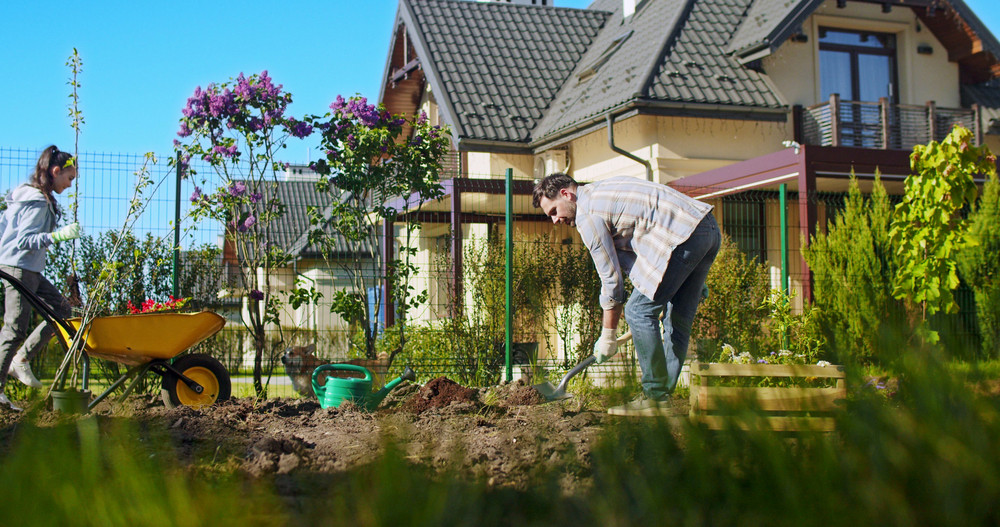
Tree removal and landscaping decisions can significantly impact the safety, appearance, and environmental value of your property. Whether you are dealing with a damaged tree after a storm or redesigning your yard for a more eco-conscious look, understanding how professional tree services and sustainable landscaping practices work together is essential. By making informed choices, homeowners can protect their investment while also supporting local ecosystems.
Understanding the Scope of the Tree Care Industry
Professional tree care is a highly specialized field that requires training, experience, and safety expertise. Tree removal, in particular, involves heavy equipment, climbing techniques, and risk management to prevent property damage or injury. The industry itself reflects the demand for these skills. According to TCI Magazine, citing current BLS data, there are approximately 63,700 tree trimmers and pruners working in the United States. That number does not include additional workers who focus specifically on plant health care or on broader landscaping services, highlighting how substantial and specialized the field truly is.
For homeowners, this means that tree removal should never be viewed as a simple DIY task. Certified professionals understand how to assess tree stability, determine the safest removal method, and comply with local regulations. In many municipalities, permits may even be required before removing certain trees, especially mature or protected species.
Hiring an experienced tree service provider ensures not only efficiency but also liability protection. Reputable companies carry insurance and follow industry safety standards, giving homeowners peace of mind throughout the process.
What to Expect During a Tree Removal Project
One of the most common questions homeowners ask is how long tree removal will take. While every property is unique, most standard removals are relatively efficient when handled by professionals. According to This Old House, tree removal is typically completed within one day, unless multiple trees must be removed or the site presents access challenges.
Several factors can affect the timeline. If a tree is located near a home, power lines, or fencing, crews may need to dismantle it in sections rather than cutting it down in one piece. Steep slopes, narrow yards, or limited equipment access can also extend the process. In contrast, a single tree in an open yard is often removed quickly and safely in just a few hours.
Homeowners should also consider post-removal steps. Stump grinding, debris hauling, and site cleanup are typically included but should be confirmed in advance. Preparing the area for new landscaping is an important part of transitioning from removal to renewal.
Incorporating Sustainable Landscaping After Tree Removal
Once a tree has been removed, many homeowners take the opportunity to rethink their landscaping strategy. Sustainable landscaping focuses on reducing water use, supporting biodiversity, and improving long-term yard health. One of the most impactful approaches is incorporating native plants.
According to Gitnux, 65% of landscaping projects designed to enhance local biodiversity include native plants. This statistic reflects a growing awareness that native species are better adapted to regional climates and soil conditions. They typically require less irrigation, fewer chemical inputs, and provide food and shelter for local pollinators and wildlife.
Replacing removed trees with native shrubs, groundcover, or smaller tree species can help restore ecological balance while enhancing curb appeal. Native landscaping also reduces maintenance costs over time, making it both environmentally and financially sustainable.
Homeowners may also consider adding mulch beds, rain gardens, or drought-tolerant plantings as part of a comprehensive design plan. Working with a knowledgeable landscaping professional ensures that new plant selections align with soil health, drainage patterns, and sunlight exposure.
Tree removal and sustainable landscaping are closely connected decisions that shape the safety and environmental impact of your property. Understanding the professionalism behind the tree care industry, knowing what to expect during the removal process, and embracing native plant strategies can transform a necessary removal into an opportunity for long-term improvement. By combining expert services with environmentally responsible design, homeowners can create outdoor spaces that are both beautiful and resilient for years to come.