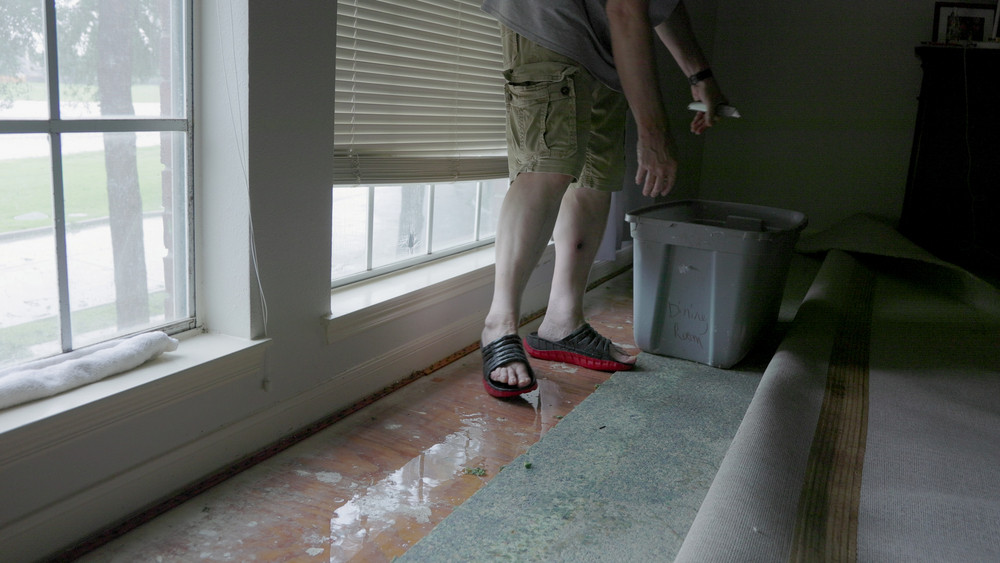
Flooding is one of the most widespread and expensive natural disasters affecting homeowners each year. Yet despite its frequency, many people misunderstand their actual level of risk and the protections available to them. These misconceptions can leave families financially vulnerable when water damage strikes.
Misunderstanding What Insurance Really Covers
One of the most costly mistakes homeowners make is assuming their standard policy protects them from flood-related damage. In reality, many traditional home insurance policies exclude flooding caused by rising water, storm surge, or overflowing rivers. According to This Old House, 43% of homeowners mistakenly believe their home insurance covers flood damage. That means nearly half of homeowners could face major repair bills without realizing they lack proper coverage.
This confusion often stems from the assumption that “water damage” is universally covered. While certain types of internal water damage—such as burst pipes—may be included, flooding from external sources typically requires a separate flood insurance policy. Without that additional coverage, homeowners may have to pay out of pocket for structural repairs, flooring replacement, drywall removal, mold remediation, and damaged belongings.
Understanding the difference between general homeowners’ insurance and flood insurance is essential. Reviewing your policy and speaking with your insurance provider can clarify whether you’re covered or need additional coverage.
Assuming You’re Not in a Flood Zone
Another dangerous misconception is believing that flooding only affects coastal regions or areas near major rivers. While those areas are certainly high-risk, flooding can occur almost anywhere due to heavy rainfall, overwhelmed drainage systems, or rapid snowmelt.
According to This Old House, approximately 6 million people in the United States do not realize they live in a flood plain. This lack of awareness can prevent homeowners from taking proactive steps, such as purchasing flood insurance or implementing preventive measures like sump pumps, backflow valves, and proper grading around the home’s foundation.
Flood maps can change over time due to development, climate patterns, and updated risk assessments. Even if your property was not previously designated in a flood zone, it’s wise to verify its status periodically. Being informed about your property’s location relative to flood plains can make a significant difference in both preparedness and financial protection.
Underestimating Basement Water Damage
Many homeowners also downplay the risk of water entering their basements. Even minor seepage can lead to structural deterioration, mold growth, and long-term foundation issues. According to Krapf Legal, 98% of basements in the United States experience some degree of water damage. That statistic highlights just how common moisture problems truly are.
Basement water damage doesn’t always come from dramatic flooding events. It can result from poor drainage, clogged gutters, cracks in foundation walls, or hydrostatic pressure pushing water through concrete. Over time, repeated exposure to moisture can weaken building materials and create unhealthy indoor air conditions.
Preventive measures such as sealing foundation cracks, installing interior drainage systems, maintaining gutters and downspouts, and ensuring proper landscape grading can significantly reduce risk. Regular inspections also help catch small issues before they become expensive repairs.
Preparing Before the Water Rises
Flood preparedness goes beyond purchasing insurance. It includes understanding your property’s risk level, protecting vulnerable areas of the home, and creating an emergency plan for your family. Elevating utilities, safeguarding important documents, and having a response strategy in place can limit both financial and personal disruption.
The financial impact of flood damage can be overwhelming, especially when misconceptions lead to gaps in coverage or prevention. Taking time to evaluate your risk now is far less costly than dealing with repairs after a major storm.
Flooding may feel unpredictable, but preparation doesn’t have to be. By correcting common misunderstandings about insurance, flood zones, and basement vulnerability, homeowners can make informed decisions that protect both their property and their peace of mind.