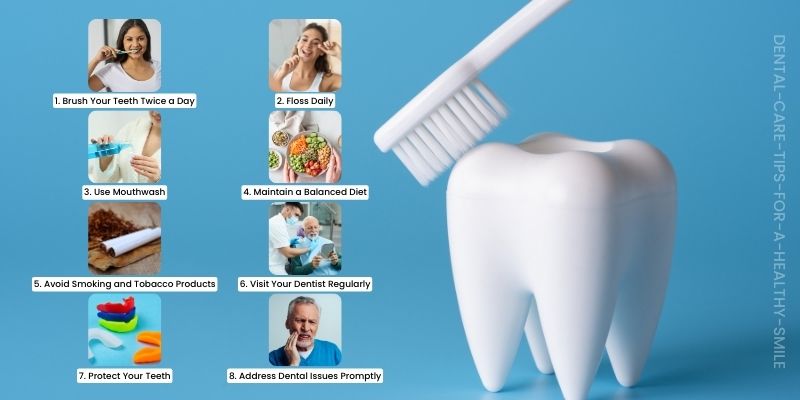
Visiting a dentist in Downtown Brooklyn can do more than just fix teeth. General dentists use a range of preventive tools to protect your smile. These tools stop problems before they start. With the right care, you avoid pain and keep your teeth healthy. This blog will show you the four essential tools your dentist uses to safeguard your smile. Understanding these tools empowers you with the knowledge to take active control of your dental health. You’ll discover how these techniques, from cleanings to sealants, play a crucial role in preventing cavities and gum disease. Stay informed and prioritize preventive care to maintain a confident smile. Protecting your teeth is easier than you think. Simple actions today ensure a brighter and healthier tomorrow. By learning about these tools, you take the first step toward a stronger, healthier smile. Read on to find out more about these helpful preventive measures.
1. Regular Dental Cleanings
Dental cleanings are the cornerstone of preventive care. During a cleaning, your dentist removes plaque and tartar that regular brushing misses. This helps stop cavities and gum disease before they start. The American Dental Association recommends visiting your dentist twice a year for a cleaning. These visits keep your mouth healthy and fresh.
Professional cleanings also give your dentist a chance to spot potential issues early. Early detection leads to simpler treatments and less discomfort. Cleanings are a simple but powerful tool in maintaining a healthy smile.
2. Fluoride Treatments
Fluoride is a natural mineral that strengthens your teeth. It works by making your enamel more resistant to acid attacks. This helps to prevent cavities. Dentists often apply fluoride in gel or varnish form after a cleaning.
Studies show that fluoride treatments provide extra protection against decay, especially for children. However, adults benefit from fluoride too. With regular treatments, you enhance your natural defenses against cavities. For more detailed information, you can explore the Centers for Disease Control and Prevention.
3. Dental Sealants
Dental sealants are thin, protective coatings applied to the chewing surfaces of back teeth. These teeth often have grooves that are hard to clean. Sealants block food and bacteria from getting stuck in these grooves.
This preventive tool is particularly effective for children and teenagers. Their new permanent teeth are at higher risk for cavities. Even adults without fillings or decay can benefit from sealants. Applying sealants is quick and painless, making it an easy step toward better dental health.
| Preventive Tool | Target Group | Benefits |
|---|---|---|
| Dental Cleanings | Everyone | Removes plaque, detects early issues |
| Fluoride Treatments | Children & Adults | Strengthens enamel, prevents cavities |
| Dental Sealants | Children & Teenagers | Protects grooves from decay |
| X-ray Evaluations | Everyone | Identifies hidden problems early |
4. X-ray Evaluations
X-rays are an essential tool for uncovering hidden dental problems like cavities, impacted teeth, and bone loss. These images help your dentist see issues not visible during a regular exam. Identifying these problems early can save you time and discomfort.
While the idea of radiation exposure may be concerning, modern dental X-rays are safe. They use low levels of radiation and provide valuable insights into your dental health. Regular X-ray evaluations help ensure any potential issues are caught early.
Conclusion
By using these four preventive tools, your dentist helps protect your smile. Regular cleanings, fluoride treatments, dental sealants, and X-ray evaluations all play a part in keeping your teeth healthy. When combined with good home care, these tools greatly reduce your risk of dental problems. Visiting your dentist regularly means working together to create a strong foundation for your oral health.