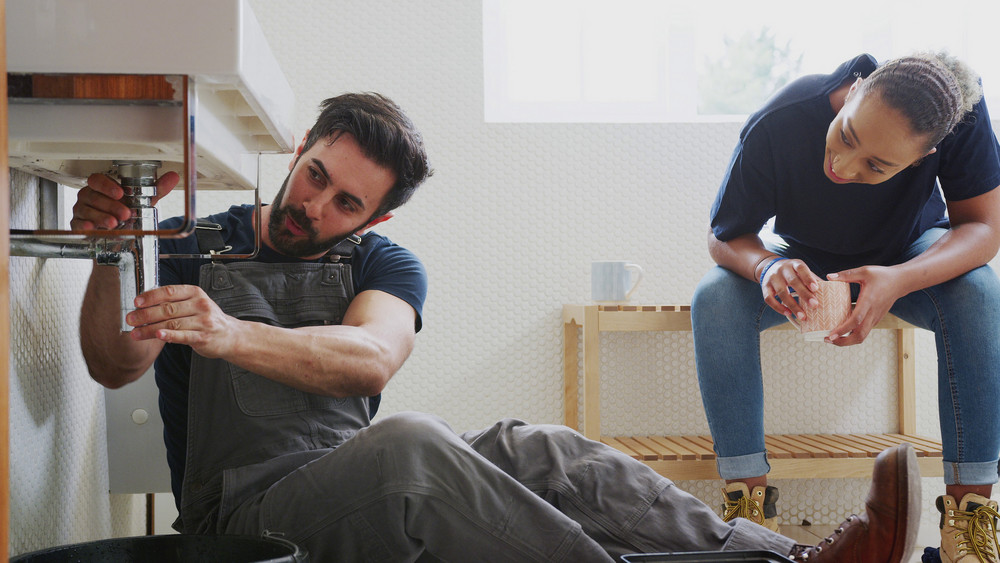
Plumbing issues can sneak up on homeowners, leading to unexpectedly high repair bills and long-term damage to properties. Recognizing potential problems early on can save both heartache and expense. This article delves into strategies to avoid these costly dilemmas and maintain a sound plumbing system.
Understanding the Scale of the Problem
The United States is home to an extensive network of sewage infrastructure. According to Statista, using reports from the EPA and the American Society of Civil Engineers, there are approximately 800,000 miles of public sewage pipes in the nation. Each year, an astounding 25,000 to 75,000 incidents of sewer overflow are recorded, highlighting the need for vigilant maintenance.
Overflow events can result not only in environmental damage but also in significant expenses for homeowners. To minimize the risk of these occurrences, regular inspections and timely repairs are necessary. Understanding the role of public infrastructure helps emphasize the importance of home plumbing maintenance.
The age and condition of these pipes can contribute to the regularity and severity of overflows. When paired with improper disposal practices by residents, the risk of encountering plumbing issues skyrockets. Homeowners can play a crucial role in prevention by ensuring their systems have proper backflow prevention and are routinely checked by professionals.
Exploring Ongoing Plumbing Maintenance
Routine checks and maintenance of plumbing systems can drastically reduce the likelihood of emergencies. According to This Old House, a majority of American homes connect to a municipal sewage treatment system, yet about 25% rely on septic systems. Understanding your home’s plumbing configuration is crucial for implementing appropriate maintenance strategies.
Maintenance practices should extend beyond mere acknowledgment of the type of system in place. Regular monitoring for signs of wear and tear can alert homeowners to potential issues before they escalate. Homeowners are encouraged to create a regular schedule for inspections to identify cracks, leaks, or blockages early.
Professional evaluations can identify vulnerabilities in both municipal and septic systems. Addressing issues early is vital to avoid costly repairs and prevent overflows or backups. Keeping a system’s history, such as when it was last checked or services performed, enhances timely interventions.
Financial Savvy in Plumbing Care
The costs associated with emergency plumbing repairs can be daunting. According to Forbes, services undertaken in urgent circumstances tend to cost 2 to 3 times more than those scheduled at normal times. Consequently, investing in preventive measures is not only beneficial for stability but also financially prudent.
An immediate response plan should be coupled with continued preventive care routines in a household. This involves having a plumber on speed dial and ensuring all household members are aware of primary shut-off valves for rapid response in emergencies. Taking these small but critical steps can significantly reduce the magnitude of damage and, consequently, repair costs.
Future planning for potential plumbing complications should take into account budget allocations for regular upkeep. Spreading the cost of maintenance over time allows for better financial management and reduces the burdens typically associated with immediate financial outlays. A well-maintained system is an investment in the home’s longevity and value.
Plumbing issues, while common, can be significantly mitigated with proactive measures and consistent monitoring. By understanding the scope of the United States’ plumbing infrastructure and the role it plays in individual home maintenance, homeowners can be better prepared. Reactive measures, often costly and inconvenient, only underscore the advantages of being proactive with plumbing care.
Recognizing the financial implications of emergency repairs underscores an essential objective: to prevent problems before they arise. With proper attention, planning, and professional guidance, costly plumbing troubles can be avoided. A home that is well-protected against such issues not only retains its value but also ensures a comfortable living environment for its inhabitants.
Regular maintenance, informed by knowledge of your specific system—whether municipal or septic—acts as a safeguard against unexpected surprises. Ensuring that these practices become a staple part of household management will undoubtedly lead to long-term savings and peace of mind, affirming the adage that prevention is indeed better than cure.