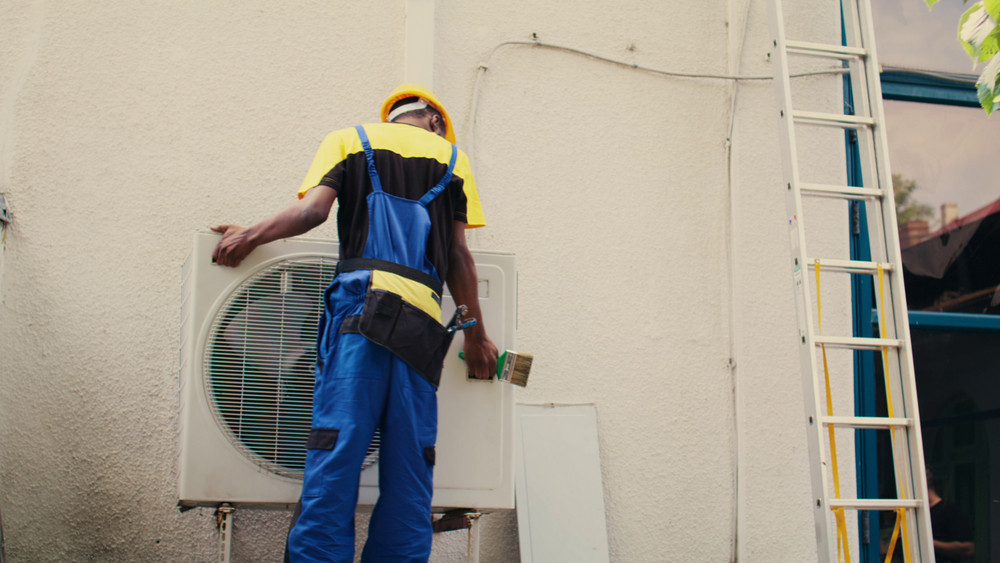
An air conditioning system is one of the most important investments in a home, especially during the hottest months of the year. When an AC unit begins showing signs of wear, homeowners often face a difficult question: should they pay for another repair or invest in a replacement? While repairs may seem like the more affordable option, they are not always the most cost-effective solution over the long term.
Making the right decision involves more than comparing price tags. The age of the system, the frequency of repairs, energy efficiency, and overall performance all play a role in determining whether repairing or replacing an air conditioner is the better choice. Understanding these factors can help homeowners make informed decisions that improve comfort and protect their budgets.
Why Air Conditioning Is an Essential Home System
Air conditioning has become a standard feature in most American homes, making reliability a top priority for homeowners. According to the Department of Energy, approximately 88% of residential properties in the United States depend on air conditioning systems to maintain comfortable indoor temperatures. With so many households relying on cooling systems year-round, unexpected breakdowns can quickly become major inconveniences.
A dependable AC system does more than cool indoor spaces. It also helps regulate humidity levels, improves indoor comfort, and supports better air circulation. During periods of extreme heat, a properly functioning air conditioner can contribute to a safer living environment for children, older adults, and individuals with certain medical conditions.
Because air conditioning systems are used so frequently, normal wear and tear is unavoidable. Regular maintenance and prompt attention to minor issues can help homeowners reduce the likelihood of sudden failures while extending the lifespan of their equipment.
Evaluate the Cost of Repairs Before Moving Forward
One of the biggest factors in deciding between repair and replacement is the overall cost of fixing the existing system. Minor repairs, such as replacing a capacitor, thermostat, or contactor, are often worthwhile if the unit is otherwise in good condition. However, larger repairs involving compressors, evaporator coils, or refrigerant leaks may significantly increase expenses.
A commonly used guideline can help simplify the decision. According to HomeGuide, homeowners should consider replacing their air conditioner when the estimated repair cost reaches 50% or more of the cost of purchasing a new unit. At that point, investing in a replacement may provide better long-term value instead of continuing to spend money on an aging system.
The age of the air conditioner also matters. Older units are generally less energy efficient and may require increasingly frequent repairs as components wear out. If repair bills continue to add up, replacing the system may reduce future maintenance costs while providing improved performance and reliability.
Homeowners should also think beyond the immediate repair bill. A newer system often includes updated technology, stronger warranties, quieter operation, and improved energy efficiency, all of which can contribute to lower operating costs over time.
Don’t Overlook Simple Maintenance That Improves Performance
Not every air conditioning problem requires a major repair or complete replacement. In many cases, routine maintenance can improve performance and help prevent unnecessary strain on the system.
One of the easiest maintenance tasks is replacing the HVAC air filter. A clogged filter restricts airflow, forcing the system to work harder to cool the home. According to the U.S. Department of Energy, installing a clean HVAC filter can reduce an air conditioner’s energy use by 5% to 15%. This simple maintenance step may also improve airflow, reduce dust buildup, and lessen wear on important components.
In addition to changing filters regularly, homeowners should schedule annual professional maintenance. During a routine inspection, technicians can clean coils, check refrigerant levels, inspect electrical components, lubricate moving parts, and identify minor issues before they lead to costly repairs.
Keeping outdoor condenser units free of leaves, grass clippings, and other debris also helps improve airflow and system efficiency. Combined with routine filter replacements, these maintenance habits can help homeowners maximize the lifespan of their existing equipment.
Consider Long-Term Value Instead of Short-Term Savings
Choosing between repairing and replacing an AC system often comes down to balancing today’s costs with tomorrow’s benefits. A less expensive repair may seem appealing initially, but repeated service calls and declining efficiency can make an older system increasingly expensive to own.
On the other hand, replacing an aging air conditioner involves a larger upfront investment but may provide significant advantages over time. Modern systems are designed to meet higher energy-efficiency standards, which can lead to lower monthly utility bills. Newer equipment may also provide more consistent cooling, quieter operation, and improved indoor comfort.
Homeowners should consider several questions before making a final decision:
- How old is the current AC unit?
- Has the system required multiple repairs within the past few years?
- Are energy bills steadily increasing?
- Does the home experience uneven cooling or poor humidity control?
- Would investing in a new unit reduce future repair expenses?
Every homeowner will eventually face the decision of whether to repair or replace an aging air conditioning system. While there is no universal answer, evaluating repair costs, system age, maintenance history, and energy efficiency can make the choice much clearer.
By taking a thoughtful approach and considering both immediate expenses and future performance, homeowners can make confident decisions that keep their homes comfortable, efficient, and prepared for the seasons ahead.