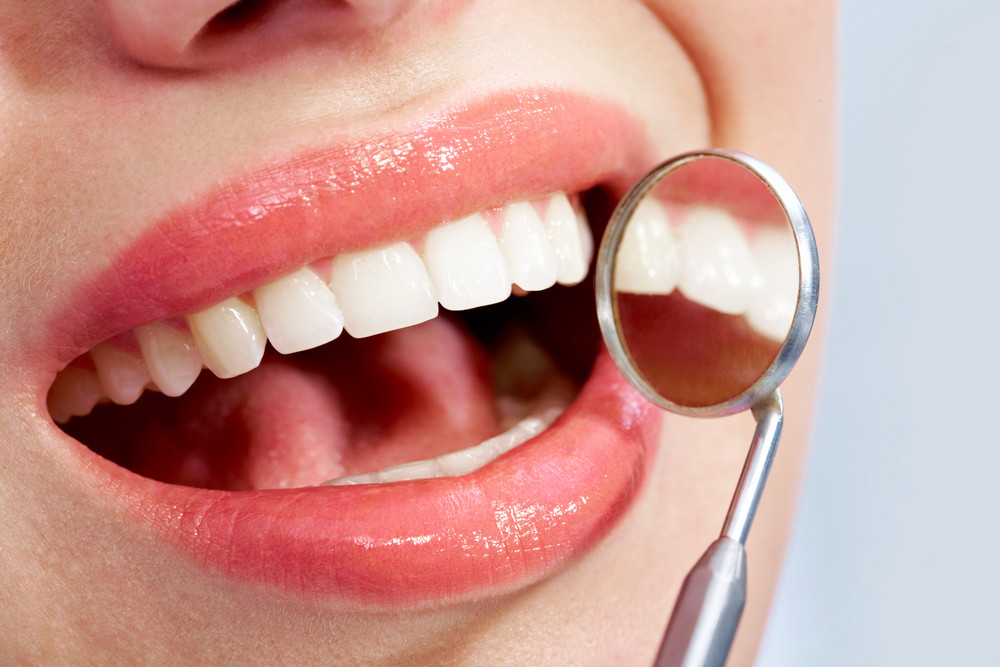
Regular dental checkups are essential for maintaining optimal oral health, yet many people neglect this aspect of their healthcare routine. Skipping dental visits may seem inconsequential at first, but it can lead to a cascade of dental issues over time. In this article, we’ll explore the potential repercussions of skipping regular dental checkups and highlight how these avoidable problems can affect one’s overall well-being.
Plaque and Tartar Can Build Up Over Time
When dental checkups are skipped, one of the initial concerns is the accumulation of plaque and tartar. The gradual buildup can occur without noticeable discomfort, often misleading individuals into a false sense of security. Interestingly, 3% of adolescents aged 12 to 19 have never been to the dentist, indicating a potentially widespread misunderstanding of the importance of dental visits.
Plaque, a sticky film of bacteria, forms on teeth and can harden into tartar if not removed. Professional cleanings at the dentist effectively target and remove these substances, preventing further oral health issues. By avoiding regular dental visits, individuals inadvertently increase the risk of tartar buildup, which a simple checkup could have prevented.
Leaving plaque and tartar unchecked can lead to gum inflammation and tooth decay, both of which may require more intensive treatment in the future. The persistent neglect of professional dental cleanings might demand extensive care or even corrective surgery. Regular dental checkups act as a preventive measure against these escalating health concerns.
Small Dental Problems May Become More Serious
Without regular dental checkups, minor dental issues that could have been easily managed might develop into serious complications. Small cavities, for example, can expand and penetrate deeper into the tooth if left untreated over time. According to the CDC, by age eight, 52% of children have a cavity, underscoring the prevalence of early dental issues.
Addressing small dental problems promptly prevents them from becoming costly and time-consuming to fix. Regular checkups allow dentists to detect these issues early, offering simple solutions that can save time and discomfort. Avoiding the dentist, however, prolongs the exposure to potentially harmful developments within the mouth.
Routine visits to the dentist can detect conditions like early gum disease or other oral health problems. When discovered at an initial stage, these conditions are often more manageable and can be treated with minimal intervention. By bypassing regular checkups, individuals increase their susceptibility to future oral health challenges and associated health complications.
Gum Disease and Tooth Loss Risks Can Increase
Neglecting regular dental appointments can significantly heighten the risk of gum disease and tooth loss. This deterioration is preventable when dental health is maintained through routine professional checkups. Alarmingly, the National Library of Medicine reports that approximately 36% of Americans experience dental anxiety, deterring them from pursuing necessary care.
Gum disease often starts with plaque accumulation, leading to symptoms such as bleeding gums and loose teeth. Without dental intervention, gum disease can worsen, eventually causing irreversible damage. Regular checkups provide critical professional cleaning and monitoring, forestalling potential tooth loss.
Maintaining consistent dental visits is a proactive approach to safeguarding not only oral health but overall well-being. Healthy gums and teeth contribute to better nutrition intake and quality of life. Despite the prevalence of dental anxiety, the reassurance and health benefits gleaned from diligent dental visits are invaluable.
In conclusion, the importance of regular dental checkups cannot be overstated, as they serve a pivotal role in preserving one’s dental health and avoiding severe dental issues. By attending scheduled dental visits, individuals take the necessary steps to prevent plaque buildup, detect and treat minor conditions early, and curb the progression of more serious issues like gum disease. Embracing these preventive measures will ensure the preservation of dental health and contribute to a positive and active lifestyle.