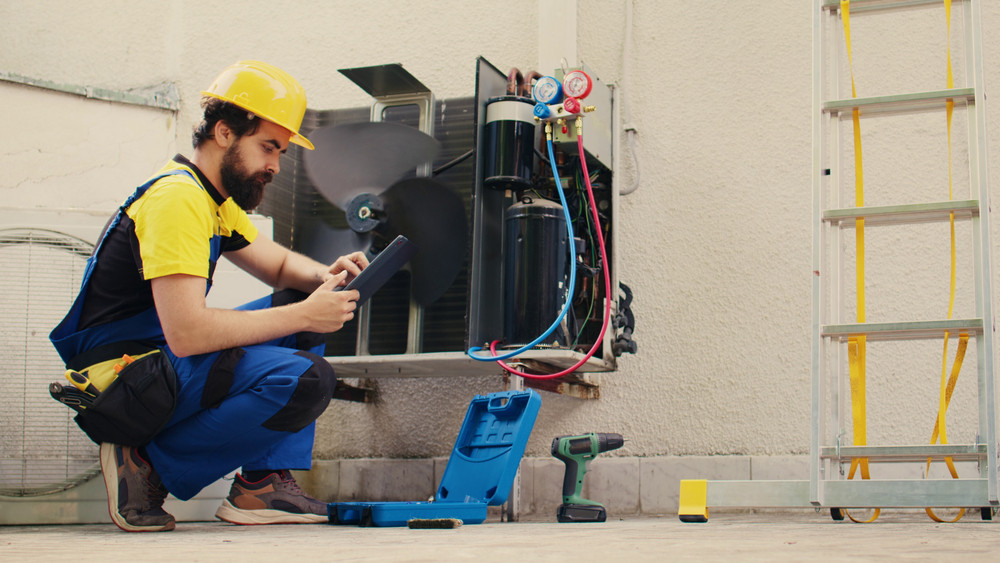
Your HVAC system plays a major role in maintaining a comfortable home throughout the year. From keeping indoor temperatures steady during extreme weather to improving air circulation, these systems help create a more enjoyable living environment. However, many homeowners do not think about their HVAC system until a problem occurs. Learning how your system works and how to care for it can help prevent unexpected issues and support long-term performance.
Understanding The Basics Of Your HVAC System
HVAC systems are designed to manage heating, cooling, and ventilation within an indoor space. According to Lean.org, HVACR refers to the mechanical systems used for heating, ventilation, air conditioning, and refrigeration in an indoor environment. These systems work together to help regulate temperature, maintain airflow, and support indoor comfort.
A typical HVAC system may include components such as a furnace, air conditioner, heat pump, ductwork, thermostat, and ventilation equipment. Each part works together to move conditioned air throughout your home. When one component experiences problems, it can affect the overall performance of the system.
Homeowners can benefit from learning basic signs that their HVAC system may need attention. Unusual noises, inconsistent temperatures between rooms, weak airflow, rising energy bills, or frequent cycling may indicate that maintenance or repairs are needed. Addressing these concerns early can help prevent minor issues from becoming larger, more expensive problems.
Why Routine HVAC Maintenance Matters
Regular maintenance is one of the most important steps homeowners can take to protect their HVAC system. Routine service allows potential problems to be identified before they interfere with comfort or system operation. It can also help improve efficiency by keeping components clean and functioning properly.
According to Forbes, homeowners should have their HVAC system serviced at least once per year. Annual inspections give professionals the opportunity to check important components, replace worn parts, clean system areas, and make adjustments that support reliable operation.
Seasonal maintenance is especially helpful because HVAC systems often experience increased use during periods of extreme heat or cold. Scheduling service before the summer or winter months can help homeowners prepare their systems before they are needed the most.
In addition to professional service, homeowners can take simple steps between appointments. Replacing air filters regularly, keeping outdoor units clear of debris, and checking vents for obstructions can help maintain airflow and reduce unnecessary strain on the system.
How HVAC Systems Support Modern Homes
For many homeowners, an HVAC system is essential for maintaining comfort throughout changing seasons. Heating and cooling equipment help regulate indoor temperatures while ventilation features support air movement and circulation.
According to the U.S. Department of Energy, 88% of homes in the United States have air conditioning, and 66% have central air conditioning systems. This shows how common cooling systems are in American households and highlights the importance of proper care for equipment that many families rely on every day.
Because HVAC systems are such a common part of modern homes, understanding how to use them efficiently can make a difference. Simple actions, such as adjusting thermostat settings when away, sealing air leaks, and improving insulation, can help reduce unnecessary energy use.
Homeowners should also consider the age and condition of their HVAC equipment. Older systems may require more frequent repairs or operate less efficiently than newer models. Replacing outdated equipment may provide improved performance and better energy management depending on the home’s needs.
Preparing Your HVAC System For The Future
Taking care of your HVAC system requires more than responding to problems after they happen. Regular inspections, proper usage, and awareness of warning signs can help homeowners make informed decisions about repairs, upgrades, and replacements.
Technology continues to improve HVAC equipment with features such as smart thermostats, improved efficiency ratings, and advanced air quality options. These upgrades can provide homeowners with more control over their indoor environment while helping them manage comfort and energy costs.
A reliable HVAC system is an important part of a safe and comfortable home. By understanding how these systems operate and prioritizing routine care, homeowners can help maintain consistent performance throughout the year.
Your HVAC system is one of the most important systems in your home, helping provide comfort through every season. Learning how it works, scheduling regular service, and paying attention to potential issues can help protect your investment and support a more comfortable living space.
Whether you are maintaining an existing system or considering an upgrade, taking proactive steps can help you get the most from your HVAC equipment. A well-maintained system can provide dependable heating, cooling, and ventilation when your home needs it most.