Key Takeaways
- Emphasis on sustainability and eco-friendly materials is making green design a fixture in modern homes.
- Integration of smart home technologies for a seamless, convenient, and efficient lifestyle.
- Adoption of minimalist aesthetics enhanced by warm, natural elements for a welcoming atmosphere.
- Incorporation of curved and organic architectural forms that reflect harmony with nature.
- Utilization of modular construction methods to drive building efficiency and flexibility.
The landscape of home architecture is evolving at an unprecedented pace, blending sustainability, cutting-edge technology, and refined aesthetics to create living spaces that are both highly functional and visually inspiring. Innovative architecture firms, such as Arch 11, renowned for their artful and resilient design approach, are at the forefront of this transformation. With over 30 years of experience and a diverse portfolio spanning bespoke residential homes, commercial spaces, and adaptive reuse projects, Arch11 exemplifies the successful integration of modern design principles with a genuine commitment to environmental stewardship. Their work highlights the importance of designing not just for today’s needs, but also for the sustainability and wellness of future generations.
Sustainable Design: Building for the Future
Sustainability lies at the heart of modern architecture, shaping every phase of the building design process. Homeowners and builders are increasingly choosing eco-friendly materials and energy-saving methods, such as green roofs, solar panels, and rainwater collection systems. Architects prefer low-carbon, recyclable materials, such as bamboo, reclaimed wood, and recycled steel, to promote energy efficiency and environmental responsibility. This strategy not only meets green standards but also benefits ecosystems, contributing to healthier and more resilient communities.
Smart Homes: Integrating Technology Seamlessly
The integration of smart technologies into home design has become commonplace. Smart homes are characterized by the seamless inclusion of devices such as voice-activated lighting, automated climate control, and security systems, which provide convenience and peace of mind. Energy management systems monitor usage and adjust consumption, thereby reducing costs and minimizing environmental impact. Technology also facilitates aging in place, improves accessibility, and enables remote monitoring. Architects now craft adaptable spaces with infrastructures that support future advancements, maintaining homes that are sustainable, comfortable, and tech-enabled.
Warm Minimalism: A Cozy Approach to Simplicity
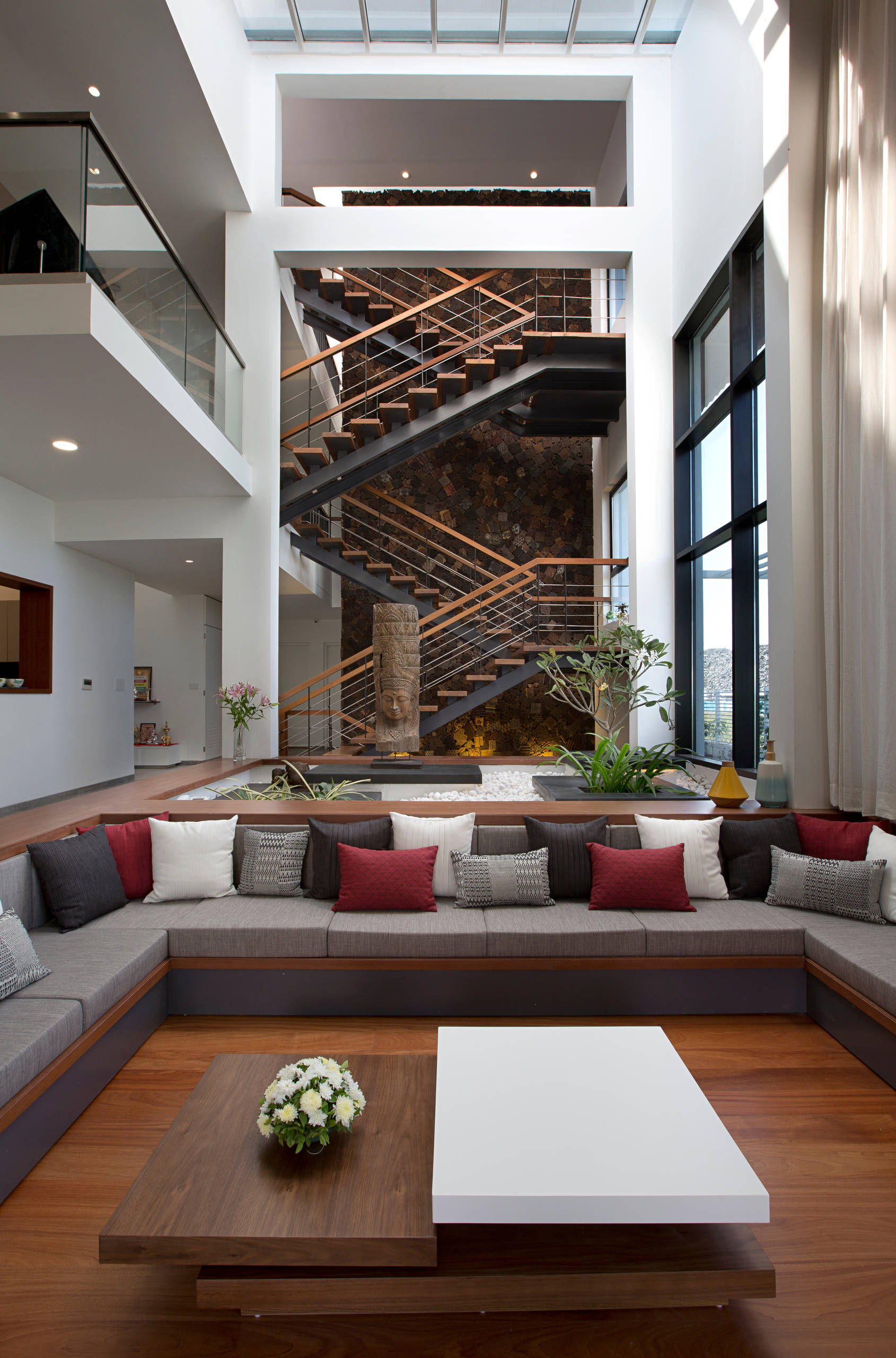
Minimalism continues to shape the architectural scene, but a new approach—often referred to as “warm minimalism”—marks a shift from austere interpretations. While clean lines, uncluttered spaces, and functional design remain central, this style emphasizes warmth and personality. Earthy color palettes inspired by natural elements—soft tans, terracottas, and muted greens—blend seamlessly with tactile, sustainable materials such as wood, stone, and linen. Layered textures, woven accents, and gently rounded furnishings create serene environments that feel inviting rather than sterile. The result is a refined, welcoming ambiance where simplicity and comfort coexist, making spaces feel not just modern but truly livable, adaptable for both relaxation and entertaining guests.
Curved and Organic Architecture: Embracing Natural Forms
Modern architecture is witnessing a notable shift away from the dominance of sharp angles and rigid geometries. Instead, there’s a surge in the use of curved and organic forms, which draw inspiration from nature’s inherent softness and fluidity. Architectural details such as expansive arched doorways, gently sloping ceilings, and even round windows or openings provide a sense of movement and calm. Interiors benefit from sculptural furniture and fixtures that echo these natural shapes, softening the overall look and making rooms feel more harmonious and inviting. The incorporation of these organic elements doesn’t just improve aesthetics—it creates environments that are psychologically nurturing, helping occupants feel more connected to the natural world and their own sense of well-being.
Modular Construction: Efficiency and Flexibility
Modular construction is transforming the building industry by offering efficiency, flexibility, and precision that traditional methods lack. This approach involves prefabricating building components or sections in controlled factory settings, which are then quickly assembled on-site. This process minimizes material waste and significantly reduces time and labor costs, often allowing projects to be completed faster and less impacted by weather delays. Additionally, modular construction enables architects to design innovative and scalable structures—such as homes, offices, and healthcare facilities—while providing the option to disassemble and relocate units, making it an appealing choice for clients focused on flexibility and sustainability.
Adaptive Reuse: Revitalizing Existing Structures
Adaptive reuse is a crucial architectural approach, increasingly vital as sustainability gains importance. It transforms old or underused buildings—such as factories, warehouses, and landmarks—into contemporary, functional spaces. This process preserves historical charm and features while updating interiors to meet modern needs, thereby reducing the environmental impact associated with demolition and new construction. It also preserves cultural heritage and encourages innovative design, with examples such as lofts in converted mills or offices in refurbished schools, seamlessly integrating history and modernity to enhance the built environment.
Open-Concept Living: Enhancing Space and Light
Open-concept living remains a staple in both residential and commercial architecture, continually evolving to enhance the quality of life for occupants. By eliminating non-structural walls that traditionally divide stations such as the kitchen, dining, and living areas, architects can create expansive, flowing environments that maximize spatial versatility and bring abundant natural light deep into the home. These interconnected spaces foster a sense of togetherness and ease of movement, making them ideal for entertaining, multitasking, or integrating remote work and learning spaces. Large windows, sliding glass doors, or even retractable walls further blur the boundaries between interiors and the outdoors, creating a seamless connection with nature and maximizing the feeling of spaciousness even in compact urban homes.
Conclusion
The latest architectural trends reflect a harmonious blend of sustainability, technology, and aesthetics that prioritize both human well-being and environmental responsibility. By thoughtfully incorporating eco-friendly materials, embracing technological innovation, and striking a balance between minimalist design and comfort, today’s homeowners, developers, and architects can create living spaces that are visually compelling, energy-efficient, and adaptable to future needs. By embracing these forward-thinking approaches, anyone undertaking a building or renovation project has the opportunity to create a space that truly enriches both daily life and the world we share.