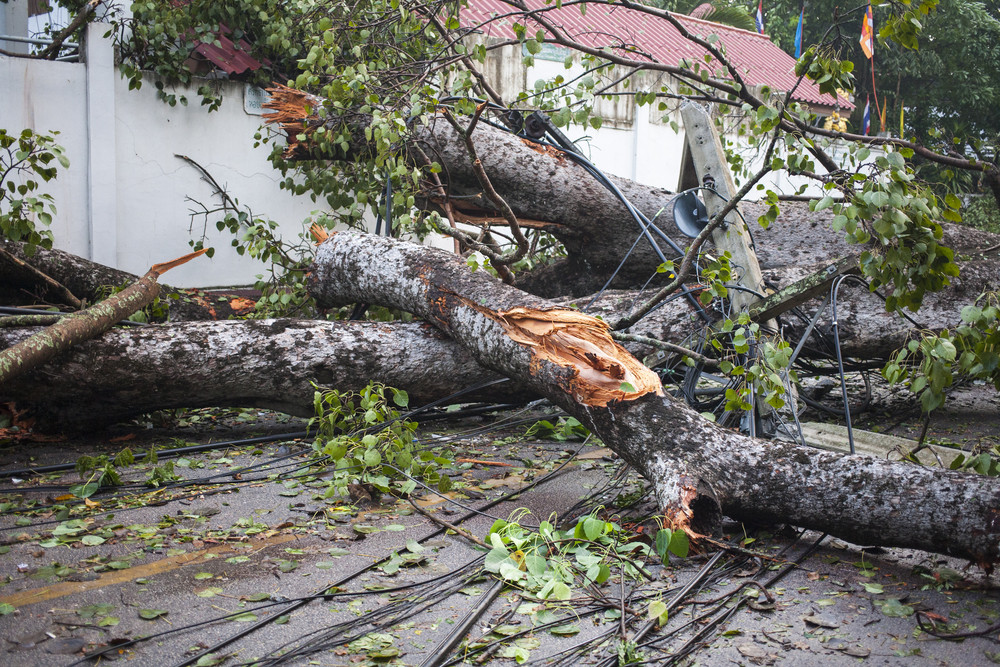
Storms can arrive with little warning, bringing heavy rain, high winds, hail, and fallen trees that leave costly damage behind. While no homeowner can control the weather, taking preventative steps before severe weather strikes can significantly reduce the risk of expensive repairs and dangerous situations. From inspecting trees to strengthening your home’s exterior, preparation is one of the best investments you can make.
If you’re wondering whether your property is truly ready for the next major storm, here are several key areas every homeowner should evaluate.
Inspect Trees for Hidden Hazards
Trees add beauty, shade, and value to your property, but they can also become one of the greatest threats during severe weather if they aren’t properly maintained. Dead branches, weakened trunks, and overgrown limbs are more likely to fail when exposed to strong winds or saturated soil.
According to the National Storm Damage Center, falling trees are responsible for the largest share of roof damage, contributing to more than $1 billion in property damage every year. This highlights why regular tree inspections and timely pruning are so important for homeowners.
Consider having mature trees professionally inspected, especially if they are close to your home, garage, power lines, or other structures. Removing dead limbs and addressing unhealthy trees before storm season can greatly reduce the risk of serious damage.
Prepare for More Frequent Severe Weather
Storm preparedness isn’t just about protecting your home—it’s also about protecting your family and minimizing disruption after a disaster. As weather patterns continue to bring stronger storms to many areas, homeowners should expect severe weather to become an ongoing concern rather than a rare event.
According to the Arbor Day Foundation, 61% of Americans experienced a natural disaster within the past 12 months, underscoring the growing need for emergency tree removal and storm cleanup services after major weather events.
Before the next storm arrives, create a checklist that includes:
- Trimming overgrown branches
- Securing outdoor furniture and decorations
- Cleaning gutters and downspouts
- Checking your roof for loose shingles
- Testing sump pumps if your home has one
- Preparing an emergency kit with flashlights, batteries, water, and important documents
Taking these simple steps ahead of time can help reduce damage and make recovery much easier if severe weather occurs.
Don’t Overlook the Risk of Hail Damage
While many homeowners focus on wind and fallen trees, hail can be just as destructive. Even relatively small hailstones can crack shingles, dent gutters, damage siding, and weaken roofing materials without creating immediately visible problems.
According to the Roofers’ Guild, the United States experiences more than 3,700 hailstorms each year on average, making hail one of the country’s most common severe weather threats.
After any hailstorm, inspect your property for signs of damage or schedule a professional roof inspection. Catching minor damage early may prevent leaks, mold growth, or more extensive structural repairs later.
Maintain Your Roof Before Storm Season
Your roof serves as your home’s first line of defense against severe weather. Unfortunately, many roofing issues develop slowly over time and may go unnoticed until a storm exposes existing weaknesses.
Before storm season begins, look for warning signs such as:
- Missing or curling shingles
- Damaged flashing around chimneys and vents
- Loose gutters
- Water stains in the attic
- Moss or algae growth
- Sagging roof sections
Routine maintenance and prompt repairs can extend the life of your roof while improving its ability to withstand high winds and heavy rain.
Create a Storm-Ready Landscape
Landscaping can either help protect your home or increase storm-related risks. Healthy, properly spaced trees are less likely to fail during severe weather, while neglected landscaping can contribute to fallen limbs, drainage issues, and property damage.
A storm-ready landscape may include:
- Pruning weak or crossing branches
- Removing dead or diseased trees
- Planting wind-resistant tree species
- Keeping tree canopies balanced
- Ensuring proper drainage around the foundation
- Maintaining healthy root systems through regular care
Professional arborists can identify structural issues that homeowners may not recognize, helping prevent problems before they become emergencies.
Have an Emergency Response Plan
Even with careful preparation, storms can still cause unexpected damage. Having a response plan in place helps reduce stress and allows you to act quickly when severe weather passes.
Keep contact information readily available for:
- Your insurance provider
- A trusted roofing contractor
- A licensed tree service
- Utility companies
- Emergency services
It’s also helpful to document your property with photos before storm season begins. If you ever need to file an insurance claim, current photographs can simplify the process.
Preparing your property before severe weather arrives is one of the smartest ways to protect your home, family, and investment. Regular tree maintenance, roof inspections, proper landscaping, and emergency planning all work together to reduce the likelihood of costly storm damage.
While no home is completely immune to severe weather, proactive maintenance can make a significant difference when the next storm hits. By addressing potential hazards now instead of waiting until after damage occurs, you’ll be better positioned to weather the season with greater confidence and peace of mind.