Power outages can happen with little or no warning, whether caused by wild weather, accidents, or issues with the electricity grid. When they do, the effects can range from inconvenient to dangerous—especially if you rely on electricity for heating, cooling, or essential medical equipment.
Thankfully, with a few simple steps and a bit of planning, you can make sure your household stays safe, comfortable and connected. From stocking the right supplies to investing in backup power, here’s how to prepare your home for unexpected blackouts.
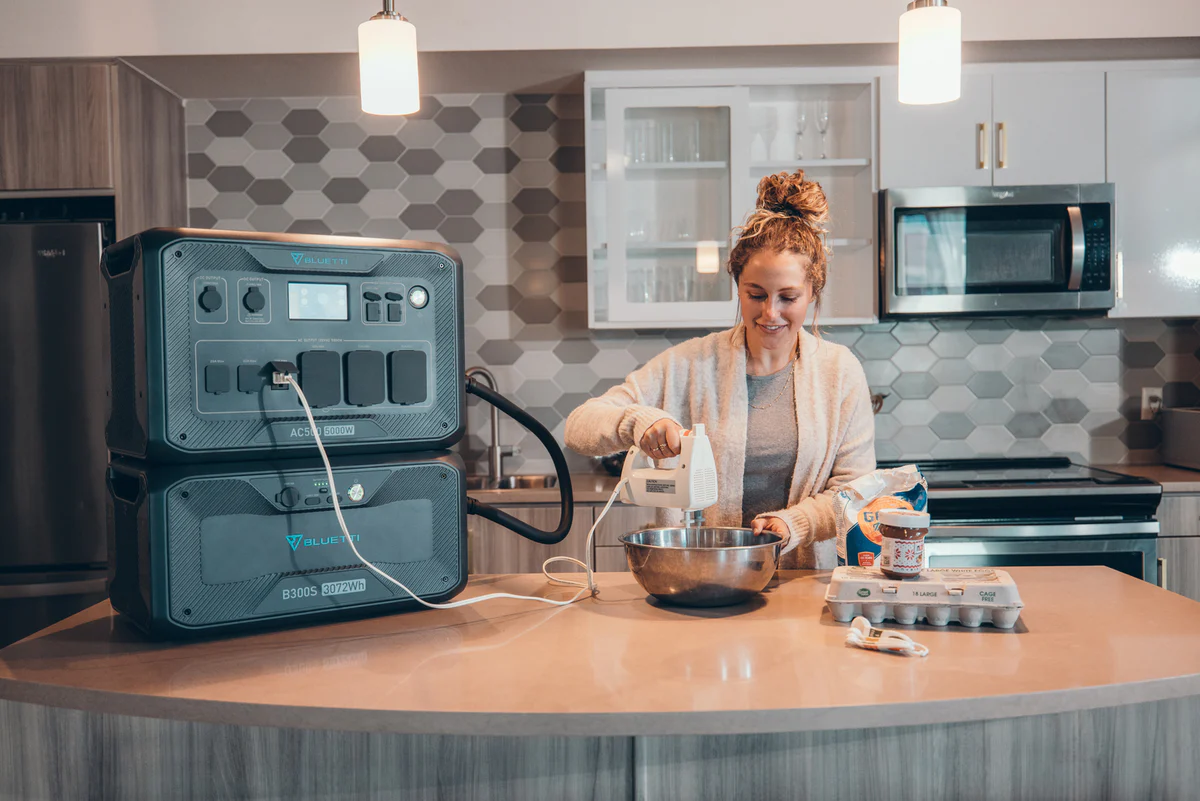
One of the smartest ways to keep your household running during an outage is to explore generators in Australia that suit your energy needs. Whether portable or fixed, a backup generator can help you power essential appliances like fridges, lights, and even internet modems during a disruption.
Create an Emergency Kit
Start by putting together a blackout kit that’s easy to access and includes everything you might need for several hours or even days without power. It should include:
- A torch and spare batteries (or rechargeable lanterns)
- Portable phone chargers or power banks
- Bottled water and non-perishable food
- A manual can opener
- First aid supplies and necessary medications
- A battery-powered or wind-up radio for emergency updates
- Blankets and warm clothing
Keep your emergency kit in a central location that’s known to all family members.
Keep Devices and Batteries Charged
Don’t wait until the power goes out to think about your phone or laptop. Make a habit of keeping essential devices charged, especially during stormy seasons or periods of unreliable supply.
- Keep portable battery packs charged and ready to go
- Invest in a solar-powered or hand-crank charger as a backup
- If you have medical equipment, talk to your provider about battery options or emergency support
Even a fully charged laptop can provide a few hours of light or entertainment for the household during an outage.
Protect Your Food and Appliances
A fridge or freezer full of food can become a major loss if you don’t have a backup plan. During a blackout:
- Keep fridge and freezer doors closed to retain cold air
- A full freezer will usually keep food frozen for up to 48 hours
- Consider freezing bottles of water to help maintain cold temperatures
- Unplug sensitive electronics and appliances to avoid damage from power surges when electricity is restored
If outages are frequent in your area, a generator can be a worthwhile investment to prevent food waste and appliance damage.
Invest in Reliable Lighting
Candles might offer ambience, but they’re not ideal for safety—especially around kids or pets. Instead, look for safer and more effective lighting solutions:
- LED torches and lanterns with long battery life
- Motion-sensor or plug-in emergency lights that switch on when the power goes out
- Rechargeable light bulbs that work in regular fittings and stay on during outages
Having a light source in every major room ensures safety and reduces stress, particularly during night-time blackouts.
Backup Power for Essentials
Not every home needs a full-scale backup generator, but even a small portable unit can be incredibly useful during emergencies. When choosing a generator:
- Look for one with enough capacity to run your fridge, lights, and key appliances
- Choose a model that suits your fuel preference—petrol, diesel, or solar
- Always follow safety guidelines and never run generators indoors or in enclosed spaces
Generators provide peace of mind, especially if you live in areas prone to storms, bushfires, or grid instability.
Preparing for power outages isn’t just about convenience—it’s about ensuring your family stays safe and comfortable when the unexpected happens. With a well-stocked emergency kit, backup lighting and power, and a little forward planning, you can handle outages with confidence and calm.