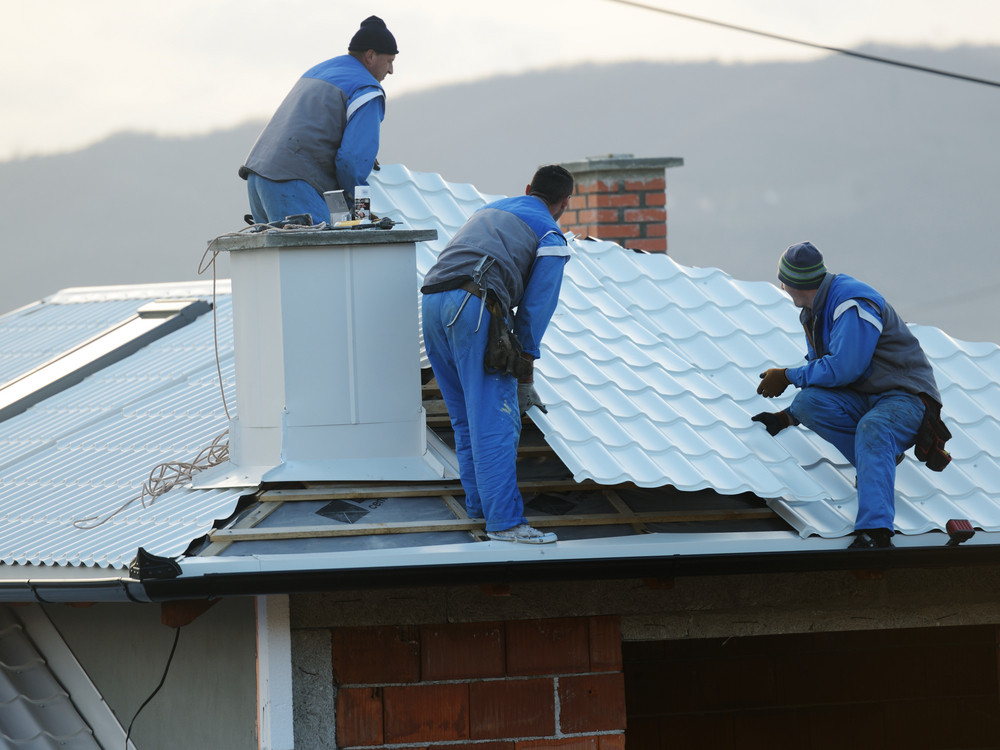
Your roof plays a central role in protecting your home, maintaining indoor comfort, and preserving property value. Because replacing a roof is a significant investment, many homeowners want a clear understanding of how long a roof is expected to last and what factors influence its longevity. Roof lifespan is not a single fixed number. It depends on material selection, property type, environmental exposure, installation quality, and maintenance habits. A balanced understanding of these factors can help homeowners make informed, practical decisions without favoring one option over another.
What to Expect From Asphalt Shingle Roofs
Asphalt shingles are one of the most commonly used roofing materials in residential construction. They are widely available and compatible with many architectural styles, which makes them a frequent choice for homeowners across different regions.
From a longevity standpoint, asphalt shingles are designed to provide dependable performance for a defined period. This Old House indicates that standard asphalt shingle roofs usually perform reliably for about 15 to 30 years. Where a roof falls within this range depends on several variables, including climate conditions, roof slope, attic ventilation, and overall installation quality. Homes in areas with extreme temperatures or frequent storms may experience faster material aging.
Asphalt roofing systems require periodic inspections and routine maintenance to stay within their expected lifespan. Addressing missing or damaged shingles, keeping gutters clear, and ensuring proper ventilation all support consistent performance. For homeowners evaluating asphalt shingles, lifespan is one of several considerations alongside cost, appearance, and local building requirements.
Understanding the Lifespan of Metal Roofing
Metal roofing is another established option used in residential construction. It is available in various profiles and finishes, allowing it to suit both modern and traditional homes. Like any roofing system, its longevity depends on proper installation and environmental conditions.
According to The Spruce, metal roofs commonly remain functional for 30 to 50 years. This longer service range reflects the material’s resistance to moisture-related damage and its ability to withstand prolonged exposure to the elements. That said, metal roofs are not maintenance-free. Fasteners, sealants, and protective coatings still require periodic evaluation to ensure long-term performance.
Metal roofing may be well-suited for certain climates and building designs, while being less practical for others. Factors such as noise considerations, expansion and contraction, and upfront cost can influence whether it is the right choice for a particular home. Lifespan is an important factor, but it is only one part of a broader decision-making process.
How Property Type, Design, and Maintenance Shape Roof Longevity
Beyond materials, roof lifespan is strongly affected by how a building is designed and used. A single-family home, a multi-unit property, or a seasonal residence can place different demands on a roofing system even when the same materials are used. Roof slope also plays a role. Steeper roofs typically shed water and debris more efficiently than low-slope designs, which can reduce long-term moisture exposure.
In general terms, most roofs fall within a lifespan range of roughly 25 to 50 years. Where a specific roof lands within that range depends on roof type, property use, climate, and maintenance practices. Residential roofs often experience less physical wear than commercial roofs, but neglect or improper installation can significantly shorten their usable life.
Installation quality is critical across all roofing materials. Proper flashing, ventilation, and fastening help prevent leaks, condensation, and structural damage. Ongoing maintenance is equally important. Routine inspections, especially after severe weather, allow homeowners to address minor issues before they develop into larger problems that affect lifespan.
Making Informed Roofing Decisions
Understanding roof lifespans helps homeowners plan ahead rather than react to unexpected failures. By evaluating materials objectively and considering how property type, climate, and maintenance affect performance, homeowners can choose a roofing system that aligns with their needs and long-term plans. A well-maintained roof, regardless of material, provides reliable protection, supports home value, and offers peace of mind for years to come.