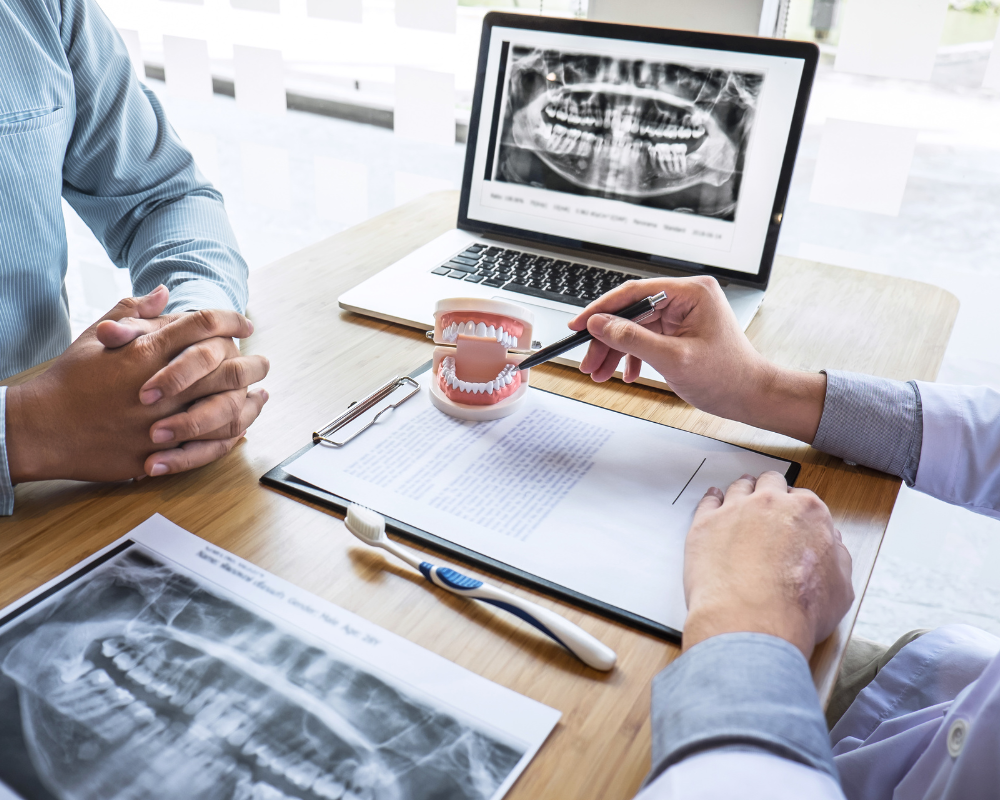
You might be noticing that trips to the dentist feel harder than they used to. Maybe your loved one says, “My teeth are fine, I’m too old to worry about that now,” even though they chew on one side or avoid certain foods instead of finding a trusted dentist in North Smithfield. Or perhaps you are the one putting it off because you are tired of appointments, paperwork, and medical bills.end
It makes sense to feel that way. As we age, health care can start to feel like a full-time job, and dental visits are often the first thing to slide. Yet this is also the stage of life when the mouth can quietly affect almost every part of overall health.
Here is the short version. Regular visits to a general dentist can help seniors in three big ways. They protect remaining teeth and dentures so eating stays comfortable. They lower the risk of serious health problems that are linked to poor oral health. They also catch small issues before they become painful, expensive emergencies. When you see it that way, routine care is less about “one more appointment” and more about guarding comfort, independence, and dignity.
So where does that leave you if you are already behind on dental visits or feeling unsure where to start.
Why do dental problems feel so overwhelming in later life?
For many seniors, things change slowly. It might start with a little dryness in the mouth from new medications. Then a back tooth breaks on something hard. A denture that used to fit well begins to rub a sore spot. None of it seems urgent, so it gets ignored. Then suddenly eating becomes a chore instead of a pleasure.
On top of this, there are very real worries. You might wonder how much treatment will cost, especially if you are on a fixed income. You may feel embarrassed about the condition of your teeth or gums and worry the dentist will judge you. Or you might carry fear from a bad dental experience years ago.
Because of all this, it can feel easier to do nothing and hope it does not get worse. The hard truth is that it usually does get worse, just very quietly at first.
For example, untreated gum disease can lead to tooth loss, which can make chewing tough foods like meat, nuts, or raw vegetables difficult. That can cause weight loss or poor nutrition, which then affects strength, balance, and energy. According to data from the Centers for Disease Control and Prevention, about one in six adults over 65 have lost all their teeth, and those with untreated dental problems are more likely to report fair or poor general health. You can see that pattern in the CDC’s report on older adults’ oral health statistics here: CDC data on older adult oral health.
So the real question is not “Do I want to go to the dentist” but “What happens to my comfort, health, and independence if I keep putting this off”.
Reason 1: Regular general dentistry visits help seniors keep eating well
Eating is not just about nutrition. It is about enjoying food with family, keeping up traditions, and feeling like yourself. When teeth hurt or dentures do not fit, many seniors start avoiding certain foods. They may cut back on fruits, vegetables, and proteins, and rely more on soft, processed foods that are easier to chew but not as healthy.
Regular visits with a general dentist for seniors can prevent many of these problems. A dentist can spot early signs of cavities around old fillings, chipped teeth that might break further, or sore spots from dentures before they turn into open wounds. They can adjust dentures so they stay stable, recommend simple repairs instead of full replacements when possible, and suggest small changes that make a big difference, like using special toothbrushes or cleaning tools for bridges and partials.
Think about a common scenario. A senior has a partial denture that starts to feel loose. They use more adhesive and chew less on that side. Over time, the remaining natural teeth that support the partial begin to shift. That makes the fit worse, and the person starts avoiding meat and crunchy foods. With regular checkups, the dentist can tighten the partial, protect the support teeth, and keep chewing comfortable, which supports better nutrition and quality of life.
Reason 2: Better oral health can support better overall health
Many people are surprised to learn how closely the mouth is connected to the rest of the body. Gum disease, chronic infections, and poor oral hygiene can add stress to the immune system, especially in older adults whose bodies are already working hard to manage other conditions.
Research has linked poor oral health in seniors to heart disease, diabetes complications, and even a higher risk of pneumonia from inhaling bacteria from the mouth. A review from the National Institutes of Health explains how common oral problems are in older adults and how they can affect daily function, nutrition, and general health. You can read more here: NIH review on geriatric oral health.
General dentistry visits are not just about cleaning teeth. They give the dentist a chance to check for signs of infection, dry mouth, fungal issues, and irritation from appliances. They can coordinate with a physician when medications are causing side effects in the mouth, such as extreme dryness that increases cavity risk.
If you or a loved one is already managing conditions like diabetes, heart disease, or COPD, keeping the mouth as healthy as possible can reduce one more source of strain on the body. It is one of those quiet steps that does not feel dramatic, yet it can support every other treatment you are already working so hard to manage.
Reason 3: Routine appointments prevent painful, expensive emergencies
A cracked tooth or severe infection rarely appears out of nowhere. There are almost always early warning signs that a trained eye can see. When those signs are caught early in a regular visit, treatment is usually simpler, more comfortable, and less costly.
Without regular care, small problems can turn into late night emergencies that are frightening and expensive. A minor cavity becomes an abscess. A loose filling turns into a broken tooth that cannot be saved. A small sore under a denture becomes an ulcer that needs more complex care.
Routine visits with a general dentist are like regular oil changes for a car. They are not exciting, but they keep bigger problems away. For seniors, that can mean fewer hospital visits, fewer antibiotics, and fewer days lost to pain or recovery.
How do the risks and benefits compare for seniors who skip or keep up with dental visits?
When you are weighing whether to schedule that next appointment, it can help to see the tradeoffs clearly. The table below compares what often happens when seniors skip visits versus when they keep up with regular general dentistry care.
| Area of Life | Skipping Regular Dental Visits | Keeping Regular Dental Visits |
|---|---|---|
| Comfort and Pain | Higher chance of toothaches, sore gums, and denture sores that build slowly, then flare up as emergencies. | Problems caught early, usually less pain, fewer urgent visits, more day to day comfort. |
| Eating and Nutrition | Chewing becomes harder, leading to avoidance of certain foods and possible weight loss or poor nutrition. | Better chewing ability, more food choices, easier to maintain a balanced diet. |
| Costs Over Time | Short term savings, but higher risk of costly procedures like extractions, root canals, or new dentures. | Regular smaller costs, with better chance to plan and budget, and fewer surprise bills. |
| Overall Health | Greater risk that oral infections or inflammation can affect other health conditions. | Lower oral infection burden, which can support management of other chronic diseases. |
| Confidence and Social Life | Embarrassment about smile or breath may lead to avoiding social situations and meals with others. | More confidence to smile, talk, and eat around others, which supports emotional wellbeing. |
Seeing the comparison, you can decide what matters most for you or your loved one, not just this year but in the years ahead.
What can you do right now to protect oral health in later life?
You do not have to fix everything at once. A few steady steps can start to turn things around.
1. Schedule a “status check” visit, not a big treatment plan
If it has been a while, the first goal is simply to understand where things stand. When you call a general dentist, you can say something like, “I am a senior and it has been some time since I had a checkup. I want an exam, X rays, and a clear explanation of what is urgent and what can wait.” This sets the expectation that you want information and priorities, not pressure.
2. Be open about medications, health conditions, and fears
Bring a list of current medications and health issues. Many common drugs cause dry mouth or bleeding changes, which affect dental care. A good dental team will adjust their approach, recommend products for dry mouth, and time treatments around your energy levels. It also helps to be honest if you are anxious. Saying “I get nervous at the dentist and I need things explained slowly” can change the whole tone of the visit.
3. Focus on small daily habits that protect your mouth
Even if you cannot change the past, you can start protecting your mouth today. Use a soft toothbrush and fluoride toothpaste twice a day. Clean between teeth with floss or small interdental brushes if fingers are stiff. If brushing is hard, an electric toothbrush can be easier to handle. For denture wearers, clean dentures every day, and remove them at night so tissues can rest. These small routines support what your dentist does during visits.
Moving forward with more confidence and less stress
It is understandable to feel tired of appointments or to feel embarrassed if your mouth is not in perfect shape. You are not alone in that. Many seniors reach a point where they have to decide whether to keep putting off dental care or to face it with support and a clear plan.
Regular general dentistry visits are not about chasing a perfect smile. They are about staying comfortable, protecting your ability to eat and talk, and giving yourself the best chance at steady health in the years ahead.
You do not need to fix everything overnight. Start with one call, one appointment, one honest conversation with a dentist who understands senior care. From there, you can make calm, informed choices that match your health, your budget, and the life you want to keep living.