Home improvement projects can add value, comfort, and functionality to your property, but they can also place unexpected stress on your plumbing system. Renovations involving kitchens, bathrooms, basements, or outdoor landscaping often require construction near water lines and drainage systems. Without proper precautions, these projects can lead to damaged pipes, water leaks, or even major plumbing emergencies. Taking the right preventive steps before and during your renovation can help protect your home from costly water damage and unnecessary delays.
Inspect Older Pipes Before Construction Begins
One of the most important steps before starting a renovation is evaluating the condition of your plumbing system. Older pipes are often more vulnerable to cracking, leaking, or bursting when exposed to increased pressure, vibrations, or accidental impact during construction work. Homes with aging galvanized steel or corroded pipes may already have weakened plumbing hidden behind walls or beneath floors.
According to WifiTalents, nearly 45% of residential plumbing repairs are related to pipe corrosion. Corroded pipes become thinner and weaker over time, making them far more likely to fail during remodeling activities. Even small construction vibrations from drilling, cutting, or demolition can create enough stress to trigger leaks in compromised pipes.
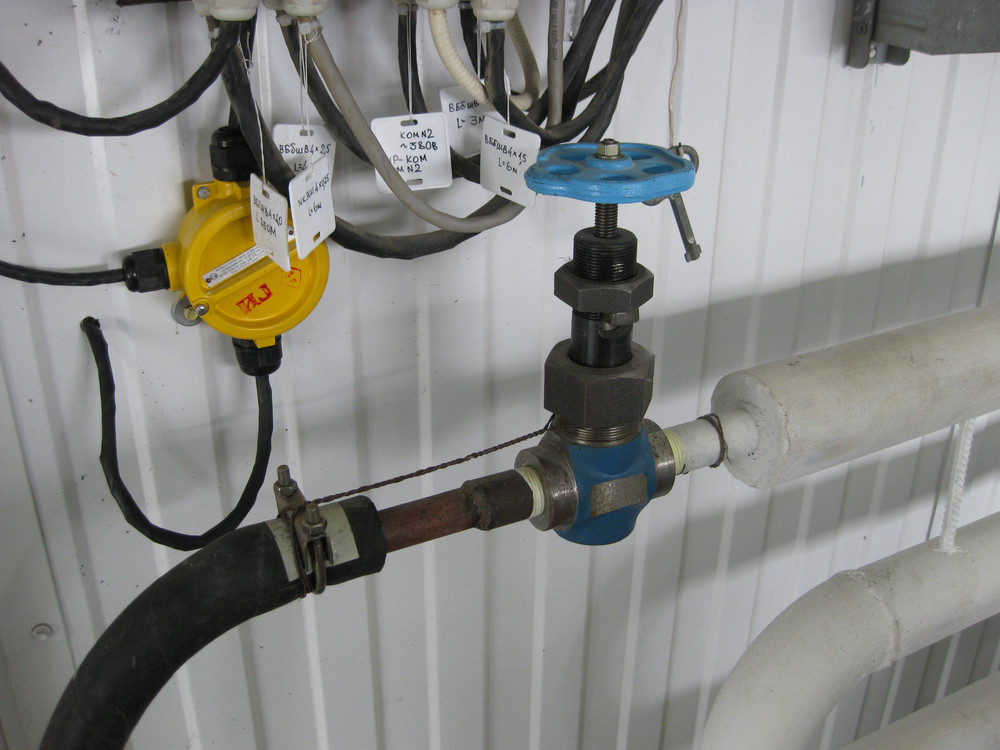
It is also important to know where shut-off valves are located. In the event of an emergency leak or burst pipe, quickly shutting off the water supply can minimize property damage and reduce repair costs.
Avoid Excess Pressure and Sudden Plumbing Changes
Many home improvement projects involve adding new fixtures, relocating appliances, or modifying plumbing layouts. While these upgrades improve functionality, sudden changes in water pressure or improper installations can place strain on existing pipes. Poorly connected fittings and excessive pressure buildup are common causes of burst pipes during remodeling projects.
According to Gitnux.org, water damage caused by burst pipes can exceed $10,000 in repair expenses. These costs often include structural repairs, drywall replacement, flooring restoration, and mold remediation. Preventing pipe failures before they occur is far more affordable than dealing with the aftermath of a major plumbing emergency.
Contractors should always use proper materials and pressure-regulating devices when installing new plumbing connections. If your home already experiences high water pressure, installing a pressure-reducing valve can help protect pipes from unnecessary stress.
Homeowners should also avoid placing heavy construction materials or equipment directly on top of underground plumbing lines. Excessive weight can crack pipes or weaken sewer lines beneath the surface.
Keep Drains and Sewer Lines Clear During Renovations
Construction debris is another major threat to residential plumbing systems. Dust, drywall particles, paint residue, adhesive materials, and scraps from demolition work can accidentally enter drains and create severe clogs. These blockages increase pressure within the plumbing system and may eventually contribute to pipe bursts or sewer backups.
According to Gitnux, clogged drains and sewer line problems are responsible for roughly 60% of plumbing emergency service calls. During home renovations, these risks become even greater if drains are left exposed or unprotected. Covering drains throughout the construction process can help prevent debris from entering the plumbing system. Contractors should also avoid washing paint, grout, or construction materials down sinks or floor drains. Even small amounts of debris can accumulate over time and restrict water flow.
Routine drain cleaning and sewer inspections are especially valuable before major remodeling projects begin. Professional plumbers can use cameras to inspect sewer lines for tree root intrusion, cracks, or existing blockages that may worsen during construction.
Home improvement projects can place unexpected stress on plumbing systems if proper precautions are not taken. Inspecting older pipes, managing water pressure carefully, and protecting drains from construction debris are all essential steps in preventing burst pipes and costly water damage. By preparing your plumbing system before renovations begin, homeowners can avoid expensive emergencies and ensure their projects stay on schedule. A proactive approach to plumbing safety helps protect both your investment and the long-term condition of your home.