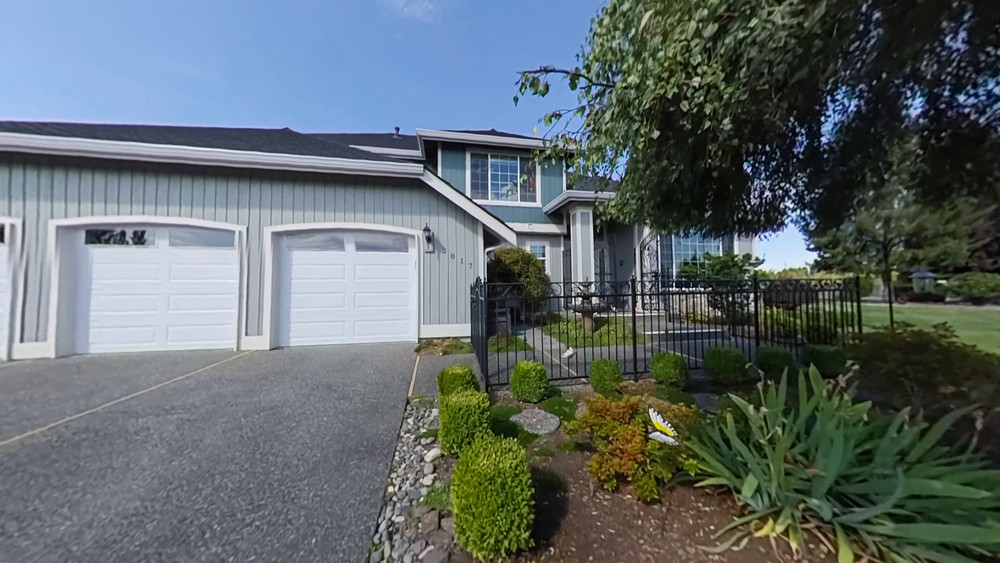
When it comes to home improvement, few projects offer the immediate gratification of a freshly paved driveway. It transforms a home’s exterior from weathered and worn to sleek and modern in just a few days. However, for most homeowners, the decision to pave isn’t just about “curb appeal”—it’s a calculated financial move. You want to know whether the blacktop under your tires will hold its value or crumble under the elements’ pressure.
If you are weighing the pros and cons of various paving materials, asphalt often emerges as a top contender. But is it truly worth the investment? By reviewing expert data on pricing, structural requirements, and long-term financial recovery, we can determine whether asphalt is the right choice for your property.
Understanding the Initial Investment
The first question on every homeowner’s mind is naturally the price tag. Because asphalt is a petroleum-based product, its cost can fluctuate slightly with the market, but it remains one of the most cost-effective ways to cover a large surface area. Unlike gravel, which is cheap but messy, or pavers, which are beautiful but incredibly expensive to install, asphalt strikes a practical middle ground.
When budgeting for this project, the scale of your driveway is the primary factor, but the specific needs of your land also play a role. According to BobVila.com, homeowners can generally expect to pay between $5 and $15 per square foot for an asphalt driveway, with the final price often dictated by the specific thickness of the material required for the job. This price range typically covers labor, materials, and sub-base preparation, which are critical for preventing future cracks. While $5 per square foot might cover a standard resurfacing, a full “rip-out and replace” on difficult terrain often leans toward the higher end of that spectrum.
Why Thickness is the Key to Longevity
One of the most common mistakes homeowners make is trying to cut costs by thinning out the asphalt layer. While it might look the same on day one, a thin driveway will quickly succumb to the “freeze-thaw” cycle, where water gets under the surface, freezes, expands, and snaps the brittle asphalt. To get the most out of your money, you have to follow the industry standards for structural integrity.
The foundation of your driveway is just as important as the dark surface you see on top. According to The Spruce, an asphalt driveway needs to be a minimum of 2 inches thick to function, though professionals recommend a thickness of 4 to 6 inches if you are looking for maximum durability and a longer lifespan. If you plan on parking heavy vehicles, such as an RV or a large work truck, opting for that 6-inch recommendation is non-negotiable. Thicker asphalt provides the flexural strength needed to support heavy loads without rutting or spider-webbing over time.
The Long-Term Financial Impact (ROI)
Beyond the immediate cost and the technical specs, we have to look at the “Big Picture.” A driveway isn’t just a place to park; it’s a component of your home’s total valuation. Real estate experts often point out that the driveway is the “welcome mat” of the house. A cracked, weed-strewn entrance can decrease a home’s value, while a pristine asphalt path can make a buyer feel the home has been well-maintained.
The durability of the material is what truly solidifies its status as a high-value upgrade. According to Today’s Homeowner, a fresh asphalt installation has the potential to last up to 25 years and frequently yields a full return on the initial investment. This means that the money you spend today isn’t just “gone”—it is effectively stored in the equity of your home. When you eventually list your property, the presence of a high-quality, long-lasting driveway allows you to justify a higher asking price, often recouping nearly every dollar spent on the installation.
The Verdict: Is It Worth It?
Navigating home renovations is always a balance of aesthetics and economics. With asphalt, the data points to a resounding “yes” for most homeowners. You are looking at a manageable entry price, especially when compared to concrete or stone, and a lifespan that can span a quarter of a century if you prioritize the correct thickness during installation.
By following expert guidelines—ensuring you hit that $5 to $15 per square foot budget, insisting on a 4 to 6-inch pour for longevity, and maintaining the surface with regular seal coating—you aren’t just buying a driveway. You are making a 25-year investment that pays for itself in both daily utility and long-term property value. When the time comes to sell, that smooth black surface will be more than just a path to the garage; it will be a testament to a smart, well-timed home improvement.