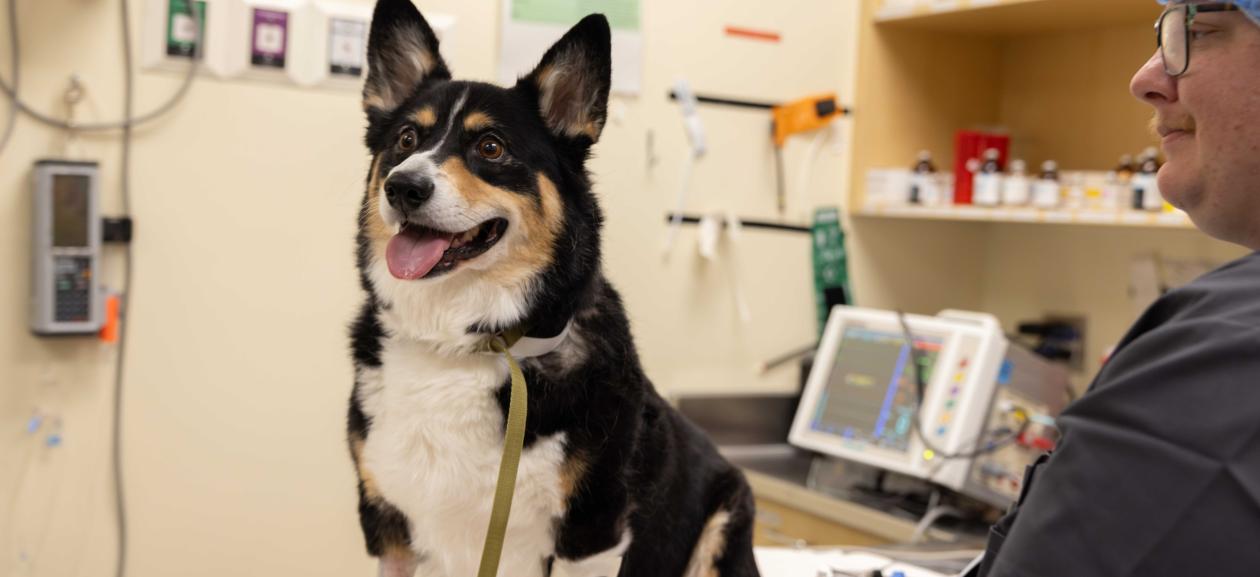
You might be feeling pulled in two directions right now. On one hand, you are relieved that there is a plan to help your pet heal at an animal hospital in Brewerton. On the other hand, the word “rehabilitation” sounds big and clinical, and you may be wondering what it really means for your dog or cat day to day.
Maybe it started with a sudden injury, a torn ligament after an ordinary walk, or a surgery your vet said was the best option. Now your pet moves differently, gets tired faster, or hesitates to jump on the couch. You see flickers of their old self, then a limp or a wince reminds you that things are not back to normal yet. It can feel lonely, and it can feel heavy.
Animal hospitals that provide structured rehabilitation programs exist to carry some of that weight with you. They use targeted therapies, careful monitoring, and a lot of quiet patience to help your pet regain strength and confidence. In simple terms, rehabilitation is about safe movement, controlled progress, and protecting the bond you share with your animal while they heal.
So what should you know about how these programs work, and how an animal hospital can support both you and your pet through this season?
Why does rehabilitation feel so overwhelming at first?
When your veterinarian first suggests a pet rehabilitation program, a few questions often pop up instantly. How long will this take? Will my pet be in pain? How much will it cost? What if it does not work the way we hope?
Part of the stress comes from how different this feels from regular vet care. A routine visit is quick. Rehabilitation is ongoing. It may include multiple weekly visits, home exercises, and changes to your daily routine. You are not just treating a moment in time. You are supporting a long recovery path.
For example, a dog recovering from cruciate ligament surgery might need weeks of controlled leash walks, underwater treadmill sessions, and a specific range of motion exercises. A cat with arthritis might need laser therapy, gentle stretching, and environmental changes at home so they can reach food, water, and litter without pain. None of that is “one and done.” It is a process.
Because of this, you might worry that you will not be able to keep up, or that you will somehow “mess it up.” That fear is very common. The truth is that a good animal hospital rehabilitation team expects you to have questions and doubts. They plan around that.
What exactly do animal hospitals do during pet rehab programs?
An animal hospital rehabilitation service focuses on three main goals. Reducing pain. Restoring function. Preventing new injuries. To get there, they build a customized plan for your pet, then adjust it as your pet responds.
Here are some of the tools and approaches you might see.
1. Detailed assessments and personalized plans
Rehab veterinarians and certified therapists begin with a full evaluation. They look at gait, posture, muscle mass, joint motion, and pain responses. Centers like the University of Tennessee’s Small Animal Physical Rehabilitation program use structured assessments to understand your pet’s starting point and set realistic goals, which you can read more about through their physical rehabilitation service.
2. Targeted therapies to support healing
Depending on your pet’s condition, the hospital may recommend:
- Underwater treadmill or swimming to build strength with less joint stress
- Therapeutic exercises like sit to stand, balance work, or controlled stairs
- Manual therapy, massage, and stretching to ease tight or painful areas
- Laser therapy, shockwave, or acupuncture to manage pain and support tissue repair
- Weight management plans to reduce strain on joints and spine
Hospitals such as the UW Veterinary Care Small Animal Physical Rehabilitation service outline these kinds of options clearly, which can help you picture what your pet’s sessions might involve. You can see an example of that kind of program through their cat and dog rehabilitation page.
3. Close monitoring and gradual progress
Rehabilitation is not a straight line. Some weeks, your pet may take big steps forward. Other weeks feel slower. Rehab teams track gait, pain scores, and functional milestones. They adjust exercises and intensity so your pet is challenged but not pushed into a setback.
For complex cases, such as neurologic injuries or sports medicine patients, centers like NC State’s Small Animal Rehabilitation Service offer advanced assessments and equipment. Their approach shows how a hospital can support both everyday pets and canine athletes within the same rehabilitation service.
4. Coaching you for home care
The most powerful support an animal hospital gives is often the least flashy. They teach you exactly how to help at home. How to do simple exercises safely. How to set up flooring, ramps, or steps. How to spot early signs that your pet is tired or sore.
Hospitals that focus on sports medicine and rehabilitation, like the program at Ohio State, often provide written plans and handouts, so you are not trying to remember everything from a quick conversation.
Should you try to manage rehab alone or work with an animal hospital?
Once you understand the basics, you might ask yourself a hard question. Do I really need professional animal rehabilitation, or can I just rest my pet and see how it goes? To help you sort that out, it can help to compare common paths.
| Approach | What it looks like | Potential benefits | Common risks or limits |
| “Rest and hope” at home | Short walks, basic rest, no structured plan | No extra cost. Less travel. Simple routine. | Stiffness, muscle loss, or poor healing. Harder to catch subtle problems early. |
| DIY exercises from online sources | Owner chooses exercises from videos or articles | Some structured activity. Feels proactive. | Exercises may not match the injury. Risk of overdoing it or using unsafe movements. |
| Guided rehab from an animal hospital | Formal evaluation, planned sessions, home program | Targeted therapy. Pain control. Adjustments based on progress. Better long-term function. | Ongoing cost. Time commitment. Need to travel to appointments. |
There is no single “right” answer for every family. A younger dog after major surgery or a pet with spinal issues usually benefits a lot from structured hospital-based rehab. A mild soft tissue strain in an otherwise healthy animal may do well with a short period of rest and simple guidance from your primary vet.
So, where does that leave you? It often comes down to risk. If the cost of poor healing is high, like permanent lameness or loss of function, the extra support from an animal hospital is usually worth considering.
What can you do right now to support your pet’s recovery?
You do not have to have everything figured out before you take the next small step. A few focused actions can make this feel more manageable.
1. Ask for a clear rehabilitation roadmap
Request a written or emailed outline of your pet’s plan. How many weeks? What are the main goals at each stage? What signs mean you should call sooner? When you know what “better” is supposed to look like, it is easier to notice real progress instead of worrying every day.
Bring a notebook or use your phone to jot down key points during your rehab consult. If something feels confusing or heavy, say so. A good rehab team will adjust how they explain things so it fits you, not just your pet.
2. Make your home safer and easier to move through
Simple changes can protect healing joints and reduce pain.
- Use non-slip rugs on slick floors where your pet walks most
- Block off stairs if your vet has restricted them, or use a harness for support
- Add a ramp for getting in and out of the car, or up to favorite resting spots
- Raise food and water dishes to a comfortable height if your pet has neck or back pain
These adjustments are not about pampering. They are about reducing the chance of a sudden slip or twist that can undo weeks of careful work.
3. Protect your own energy and expectations
Rehabilitation can be emotionally tiring. There may be days when your pet seems worse after a session, or when progress feels invisible. This does not mean it is failing. Healing tissues and retraining movement take time.
Try to track progress in weeks, not days. Keep a simple log of what your pet can do. How far do they walk? How easily they lie down and get up. How they handle stairs. When you look back after a month, those small changes often add up to a clear shift.
If you feel overwhelmed, tell your rehab team. They can often simplify the home plan or adjust the appointment schedule so it fits your life a bit better.
Holding on to hope while your pet heals
Watching your pet struggle, even a little, can cut deeper than you expected. You are not overreacting. You are attached, and that is a good thing. It means your pet has someone in their corner who is willing to ask hard questions and look for better options.
Animal hospitals that focus on rehabilitation are there to walk side by side with you through this. They bring structure and medical insight. You bring history, patience, and love. Together, you give your pet the best chance at safe movement, less pain, and more good days ahead.
You do not have to decide everything today. Start with a conversation with your primary veterinarian, or reach out to a rehabilitation service to ask what support might look like for your specific animal. One honest question at a time is enough to move you and your pet toward steadier ground.