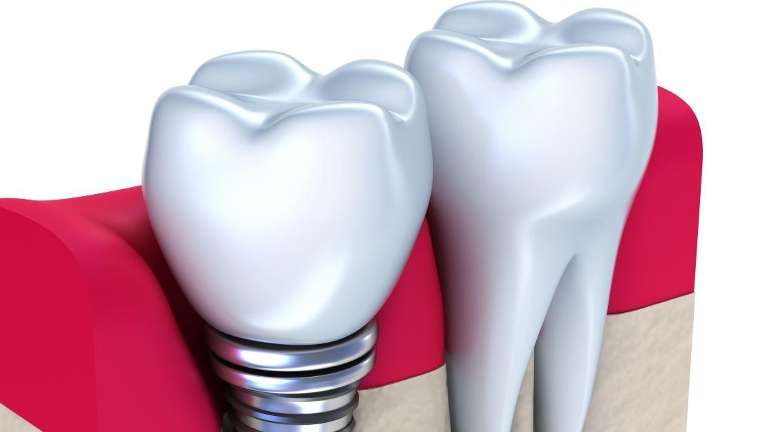
Missing teeth can steal your bite, your smile, and your sense of self. You might avoid certain foods. You might hide in photos. You might even speak less. An implant dentist understands this quiet loss. Dental implants replace missing teeth with strong, steady support. They help you chew, speak, and smile again without fear. First, your dentist studies your mouth and bone. Next, they place a small post that acts like a tooth root. Then a custom crown attaches on top. The result feels secure. It looks natural. It works when you need it. If you see a dentist in Sequim, WA who focuses on implants, you gain a guide through each step. You do not have to settle for loose dentures or gaps. You can regain simple daily comfort. You can restore function and confidence with clear, careful treatment.
How Dental Implants Work In Your Mouth
A dental implant is a small titanium post placed in your jaw. Bone grows around it and locks it in place. This post holds a connector and a crown that looks like a tooth.
The process usually follows three steps.
- Planning with exams and 3D images
- Surgery to place the implant post
Each step has a clear goal. Planning protects your safety. Surgery gives you strong support. Healing lets bone grow around the post. The crown then takes chewing force.
Why Implants Feel Different From Dentures Or Bridges
Implants connect to bone. Dentures rest on gums. Bridges rest on nearby teeth. This single difference changes how you chew, speak, and clean your mouth.
Comparison Of Common Tooth Replacement Options
| Feature | Dental Implants | Fixed Bridge | Removable Denture |
|---|---|---|---|
| Support | Attached to jaw bone | Attached to nearby teeth | Sits on gums |
| Chewing strength | Close to natural teeth | Moderate | Lower |
| Affect on nearby teeth | Usually none | Teeth need reshaping | None on teeth |
| Bone loss over time | Slows bone loss | Bone loss continues | Bone loss continues |
| Daily cleaning | Brush and floss | Brush and floss with care | Remove and clean |
| Speech comfort | Usually stable | Usually stable | Can shift or rub |
This table shows why many people pick implants when they can. You gain stronger chewing. You keep more bone. You protect nearby teeth.
Health Benefits You Can Feel Every Day
Missing teeth do more than change your smile. They change how you eat, speak, and clean your mouth. Over time, missing teeth can lead to bone loss and changes in your bite.
Implants support your health in three clear ways.
- They help you chew balanced meals with fruits, vegetables, and protein.
- They help you speak clearly without loose teeth or plates.
- They help keep jaw bone from shrinking after tooth loss.
The National Institute of Dental and Craniofacial Research explains how tooth loss and gum disease can harm daily life and health.
Emotional Relief And Social Confidence
Tooth loss often brings quiet shame. You might cover your mouth when you laugh. You might avoid dates, job talks, or family photos. This strain adds up.
Implants give steady support, so you no longer fear movement when you eat, talk, or laugh. This simple trust in your teeth can ease anxiety. It can also improve how others respond to you. People tend to react to clear speech and open smiles.
You do not need a perfect smile. You need a stable one that lets you join your life. Implants can help you reach that point.
Who Is A Good Candidate For Implants
A dentist looks at three main factors before offering implants.
- Your general health, including control of conditions like diabetes
- Your mouth health, including gum health and any infection
- Your bone level and shape in the jaw
You might need treatment for gum disease or other issues before implant care. The Centers for Disease Control and Prevention shares clear data on gum disease and its link to tooth loss.
If the bone is thin, your dentist might suggest bone grafting. This process adds support for the implant. It may lengthen treatment time. It also helps protect the long-term result.
What To Expect During And After Treatment
Knowing the steps lowers fear. You can ask better questions and plan time off from work or school.
You can expect three phases.
- Consult and planning. You share your goals. Your dentist takes images and checks your bite.
- Placement surgery. The dentist numbs the area. They place the implant post in the bone. You go home the same day.
- Healing and crown. Bone heals around the post. Then the dentist places the final crown or bridge.
Pain control is a shared priority. You receive clear steps for medicine, cleaning, and food choices. You also receive warning signs to watch for, such as swelling or pain that grows instead of fades.
Caring For Implants So They Last
Implants can last many years when you care for them. They can even last the rest of your life. Success depends on simple daily habits and steady checkups.
Focus on three habits.
- Brush two times a day with a soft brush.
- Clean between teeth every day with floss or small brushes.
- See your dentist on a regular schedule for cleanings and exams.
If you smoke or vape, talk with your dentist about quitting. Tobacco use raises the risk of implant problems. So does poor blood sugar control. Your medical and dental teams can work together to support you.
Taking The Next Step Toward Your Own Comfort
Tooth loss does not need to define your days. You can eat with less fear, speak calmly, and smile without hiding. An implant dentist can show you clear choices, costs, and timelines. You then decide what fits your life.
Start with a simple consult. Bring your questions. Bring your worries. Ask about success rates, healing time, and cost options. Ask how many implants your dentist places each year. Straight answers will help you feel safe and informed.
Your teeth should help you, not haunt you. With careful implant treatment, you can move from constant guarding to quiet ease. You can restore the function. You can regain confidence. You deserve both.