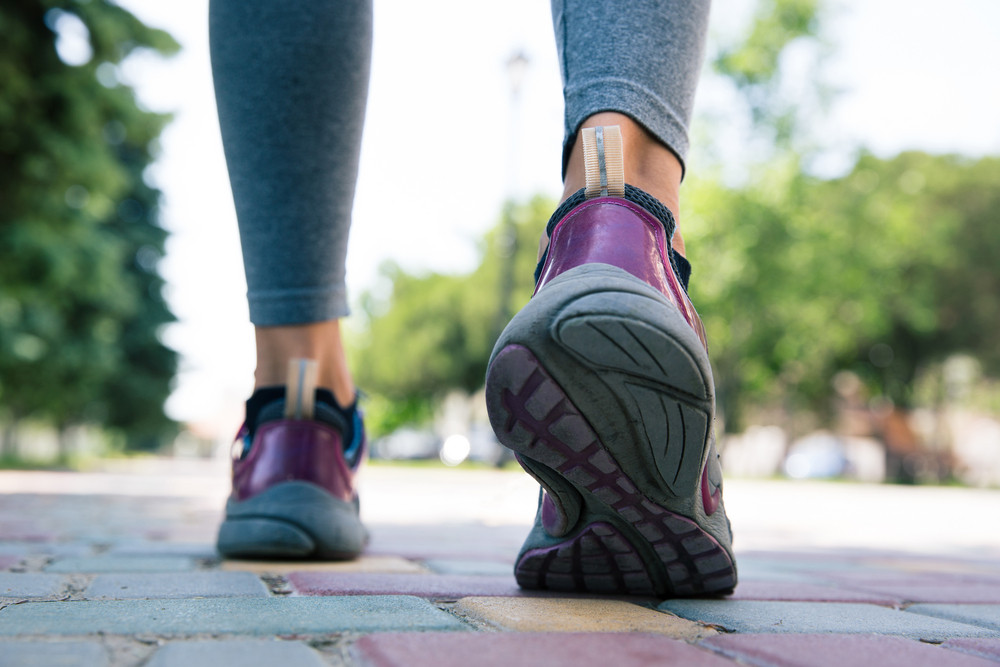
Mobility and physical activity play a central role in overall health, independence, and quality of life. The ability to move comfortably supports everything from daily routines to long-term wellness, yet many people face barriers that limit how active they can be. These challenges affect individuals across age groups and can influence physical health, mental well-being, and social participation.
As modern lifestyles become more sedentary and health conditions more prevalent, concerns around movement and activity continue to grow. Technology, workplace habits, and environmental factors often reduce opportunities for regular physical movement, making inactivity more common than ever before. At the same time, physical limitations and safety concerns can discourage people from staying active or addressing mobility issues early. Understanding where these challenges come from helps highlight why mobility and physical activity remain important public health topics rather than individual issues alone.
Mobility Limitations and Daily Function
Mobility challenges can make even simple daily tasks more difficult. Walking, climbing stairs, or standing for extended periods may become obstacles that limit independence and increase reliance on others. These limitations often affect how people navigate their homes, workplaces, and communities, shaping long-term health outcomes.
According to the CDC, 12.1% of adults in the United States live with a mobility disability that involves serious difficulty walking or climbing stairs. This figure underscores how common mobility challenges are, particularly as people age or manage chronic conditions. Reduced mobility can also contribute to lower activity levels, which may lead to muscle weakness, balance issues, and joint stiffness. Over time, these challenges can affect confidence, increase fall risk, and make it harder for individuals to remain socially engaged or maintain daily routines without assistance.
Widespread Gaps in Physical Activity Levels
Physical activity supports cardiovascular health, muscle strength, balance, and mental well-being. Despite these benefits, many individuals do not engage in enough movement to support long-term health. Barriers such as time constraints, physical limitations, environmental factors, and lifestyle habits often make it difficult to stay active consistently.
The World Health Organization reports that 31% of adults and 80% of adolescents do not meet recommended physical activity guidelines. These gaps suggest that inactivity affects people across all life stages. Limited physical activity can gradually reduce stamina and flexibility, making movement feel more difficult over time. This pattern can discourage participation in exercise altogether, reinforcing inactivity and increasing the likelihood of mobility-related challenges later in life.
Perceptions of Safety in Movement Support
Concerns about safety can influence whether people seek help or guidance to improve movement. Fear of injury or uncertainty about appropriate activity levels may discourage individuals from addressing mobility issues or increasing physical activity. Feeling confident in available support options can play an important role in overcoming these hesitations.
According to Cross River Therapy, 68% of patients view physical therapy as a very safe option. This perception highlights how safety considerations matter when people explore ways to improve movement and function. When individuals feel reassured about safety, they may be more willing to take steps toward addressing mobility challenges and engaging in appropriate physical activity.
Mobility and physical activity remain major health concerns because they affect a wide range of people and influence overall well-being. Mobility limitations, widespread inactivity, and safety perceptions all contribute to how individuals experience movement throughout their lives. These factors are interconnected, often reinforcing one another over time.
By recognizing how common these challenges are, communities and individuals can better address the barriers that limit movement. Encouraging safe, accessible approaches to physical activity and mobility support can help people maintain independence and improve quality of life. Awareness and proactive strategies are key to addressing these ongoing health concerns.