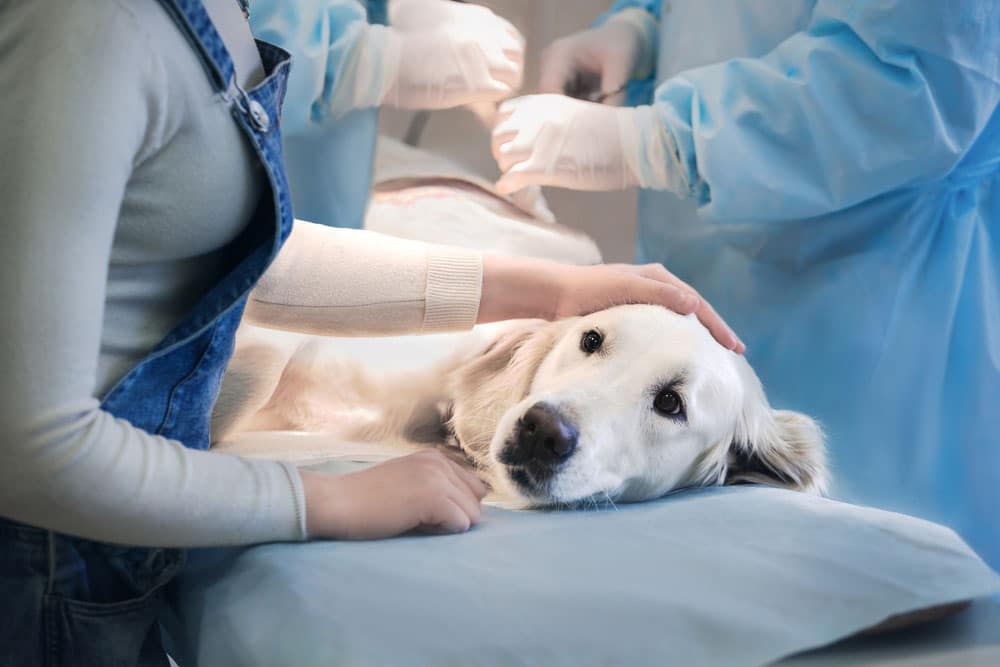
When your pet walks into an animal hospital, you want clear answers, not guesswork. You want to know what might happen, why it matters, and how it will affect the animal you love. This blog explains 4 common procedures that pets often receive during a visit. You will see what each one involves, when it is usually needed, and what you can expect before and after. A Devonshire veterinarian uses these procedures every day to ease pain, prevent disease, and catch problems early. You may feel fear or guilt when your pet needs treatment. That reaction is human. You are not alone, and you are not failing your pet. You are taking action. By understanding these procedures, you can ask better questions, plan for costs, and stand by your pet with more strength and less doubt.
1. Vaccinations
Vaccines protect your pet from diseases that can spread fast and hit hard. Some infections can pass to people. Others cause slow damage that you cannot see until it is too late.
Most animal hospitals follow clear vaccine schedules. These are based on research from groups such as the Centers for Disease Control and Prevention. You do not need to study charts. You only need to know what to expect.
Core vaccines are recommended for almost every dog or cat. Non-core vaccines are used based on the risk where you live and how your pet lives.
Common Core Vaccines for Dogs and Cats
| Species | Core Vaccines | First Dose | Booster Timing |
|---|---|---|---|
| Dog | Rabies, Distemper, Parvo, Adenovirus | 6 to 16 weeks of age | Every 1 to 3 years, based on product and law |
| Cat | Rabies, Panleukopenia, Herpesvirus, Calicivirus | 6 to 16 weeks of age | Every 1 to 3 years, based on product and law |
During a vaccine visit, the team will:
- Review your pet’s history
- Check weight, heart, lungs, and temperature
- Give the shot under the skin or into the muscle
- Watch your pet for any reaction
You may see mild sleepiness or tenderness at the shot site. You should contact the hospital at once if you see swelling of the face, trouble breathing, or collapse. Those signs are rare but serious.
2. Spay and Neuter Surgery
Spaying and neutering surgery prevent unwanted litters. It also lowers the risk of some cancers and infections. Many shelters require it before adoption. Many cities support it to reduce stray animals.
You can ask about the best age for this surgery. The answer depends on size, breed, and health. The team will guide you based on current research from groups such as the American Veterinary Medical Association.
Here is what you can expect.
- Pre visit. You follow fasting instructions and share any medicines your pet takes.
- Check in. Staff confirm identity, review risks, and may run blood tests.
- Anesthesia. Your pet receives drugs for pain and sleep. A tube supports breathing.
- Surgery. The vet removes the ovaries and uterus in females. The vet removes the testicles in males.
- Recovery. Staff watch heart rate, breathing, and comfort until your pet wakes up.
At home, you protect the incision. You use a cone or soft collar. You limit running and jumping. You give pain medicine only as prescribed. Contact the hospital if you see redness, discharge, or if your pet seems weak or refuses food.
3. Dental Cleaning
Dental disease causes pain and tooth loss. It also strains the heart, liver, and kidneys. You may smell bad breath or see brown buildup. You may not see the serious damage under the gums.
A proper dental cleaning in an animal hospital uses anesthesia. This protects your pet from fear and sudden movement. It also allows the vet to clean under the gum line, where infection grows.
The visit usually includes three parts.
- Exam and X-rays to check each tooth and the jaw
- Scaling to remove tartar above and below the gum
- Polishing to smooth the surface and slow new buildup
The team may pull teeth that are loose or rotten. That choice is not cosmetic. It prevents deep pain and ongoing infection.
You can compare home care with professional cleaning.
Home Dental Care vs Hospital Dental Cleaning
| Feature | Home Brushing and Chews | Hospital Dental Cleaning |
|---|---|---|
| Reach under gums | Limited | Yes |
| Detect hidden disease | No X rays | Full exam and X rays |
| Pain control | None | Anesthesia and pain relief |
| Role | Daily support | Deep treatment |
You still brush your pet’s teeth when you can. You still use safe chews. Yet you accept that hospital cleanings do the heavy work.
4. Diagnostic Tests
Diagnostic tests show what the eye cannot see. Your pet cannot explain pain or nausea. Tests give that missing voice.
Common tests include three groups.
- Blood tests that check organs, red and white cells, and blood sugar
- Urine tests that check kidneys, bladder, and some hormones
- Imaging such as X-rays and ultrasound to view bones and soft tissue
These tests help when your pet seems sick. They also help during wellness visits. They can show early kidney strain, liver trouble, or diabetes before clear signs appear. Early care often costs less money and less stress than crisis care.
Here is a simple view of why these tests matter.
Examples of Common Diagnostic Tests
| Test | What It Checks | Why It Is Used |
|---|---|---|
| Complete blood count | Red cells, white cells, platelets | Detect infection, anemia, some cancers |
| Chemistry panel | Kidney, liver, electrolytes | Assess organ function before surgery or during illness |
| Urinalysis | Concentration, protein, cells, crystals | Check kidneys, infections, diabetes |
| X ray | Bones, chest, large organs | Find fractures, tumors, swallowed objects |
Standing With Your Pet
When you understand these four procedures, you gain control in a hard moment. You know why the vet suggests each step. You can ask direct questions about risks, costs, and timing.
You do not need to feel shame if you cannot do every option. You only need to stay honest, ask for clear words, and choose what protects your pet as much as your life allows. That courage is enough.