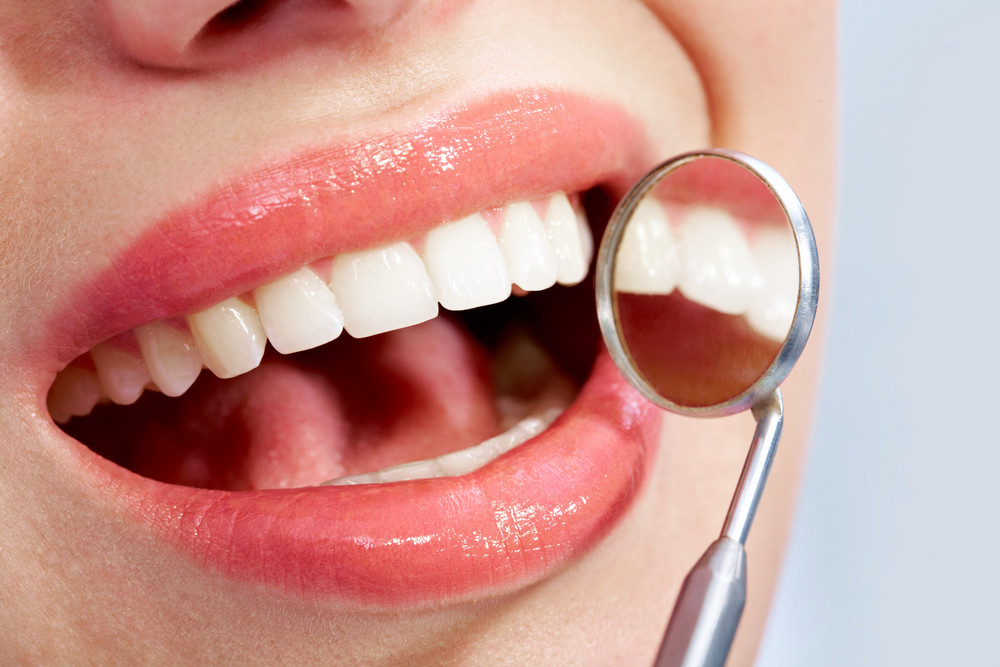
Staying proactive about dental health often starts with noticing small changes before they become bigger concerns. Many dental issues develop gradually, making early warning signs easy to overlook or dismiss as temporary discomfort. Paying attention to these subtle signals can support healthier teeth and gums over time and help maintain confidence in everyday activities like eating, speaking, and smiling. By recognizing common indicators early, individuals can take positive steps toward protecting their oral health and supporting long-term wellness. Understanding what to watch for makes routine dental care feel more manageable and encourages timely, preventive action.
Subtle Tooth Pain and Sensitivity That Shouldn’t Be Ignored
Mild tooth pain or sensitivity can appear harmless at first, especially when it only shows up during certain activities like drinking cold beverages or chewing on one side of the mouth. However, these sensations often point to early changes within the tooth structure. Sensitivity may be linked to enamel wear, small cracks, or developing decay that hasn’t yet caused constant discomfort. Addressing these signs early can help maintain strong, healthy teeth and avoid more extensive treatment later. Many adults actively support their oral health through regular dental visits, which helps identify these concerns early. According to the CDC, 65.5% of adults age 18 and older with a dental exam or cleaning in the past year. Regular checkups make it easier to catch minor issues when they’re still manageable. When tooth sensitivity or pain is acknowledged early, treatment options tend to be simpler, more comfortable, and more cost-effective, reinforcing a positive dental care experience.
Changes in Gums, Including Redness, Swelling, or Bleeding
Healthy gums are typically firm, pale pink, and do not bleed during brushing or flossing. When gums become red, swollen, or prone to bleeding, it often signals inflammation that deserves attention. These changes may be associated with plaque buildup along the gumline, which can irritate gum tissue over time. While these symptoms are common, they’re also highly responsive to early care and improved oral hygiene habits. Untreated dental concerns remain a reality for many adults, which highlights the value of noticing gum changes early. According to the CDC, nearly 21% of U.S. adults aged 20–64 have at least one untreated cavity, with higher rates among younger adults. Gum irritation can sometimes accompany early decay, making it an important visual cue. Responding to gum changes promptly helps protect both gum tissue and underlying teeth, supporting overall oral comfort and long-term stability.
Persistent Bad Breath or Unusual Taste in the Mouth
Occasional bad breath is normal, especially after meals or first thing in the morning. Persistent bad breath or a lingering unusual taste, however, can indicate underlying dental concerns. These symptoms may result from bacteria buildup, trapped food particles, or early infections that haven’t yet caused pain. Addressing the source can restore fresh breath and improve daily comfort. Adult dental care continues to evolve as more people prioritize long-term oral health at every age. According to AARP, 25% of people who wear braces are adults. Orthodontic appliances and other dental restorations require consistent cleaning to prevent odor-causing bacteria from accumulating. Paying attention to ongoing changes in taste or breath encourages proactive habits and helps maintain a clean, healthy oral environment.
Early warning signs of dental problems often appear quietly, but they offer valuable opportunities for positive action. Subtle tooth sensitivity, gum changes, and persistent bad breath can all signal areas that benefit from timely attention. When these signs are recognized early, dental care becomes more preventive and supportive rather than reactive. Staying aware of small changes, maintaining good daily habits, and seeking routine professional care all contribute to lasting oral health. With a proactive mindset, individuals can feel confident knowing they’re supporting their smiles and overall well-being in a positive, forward-looking way.