Introduction
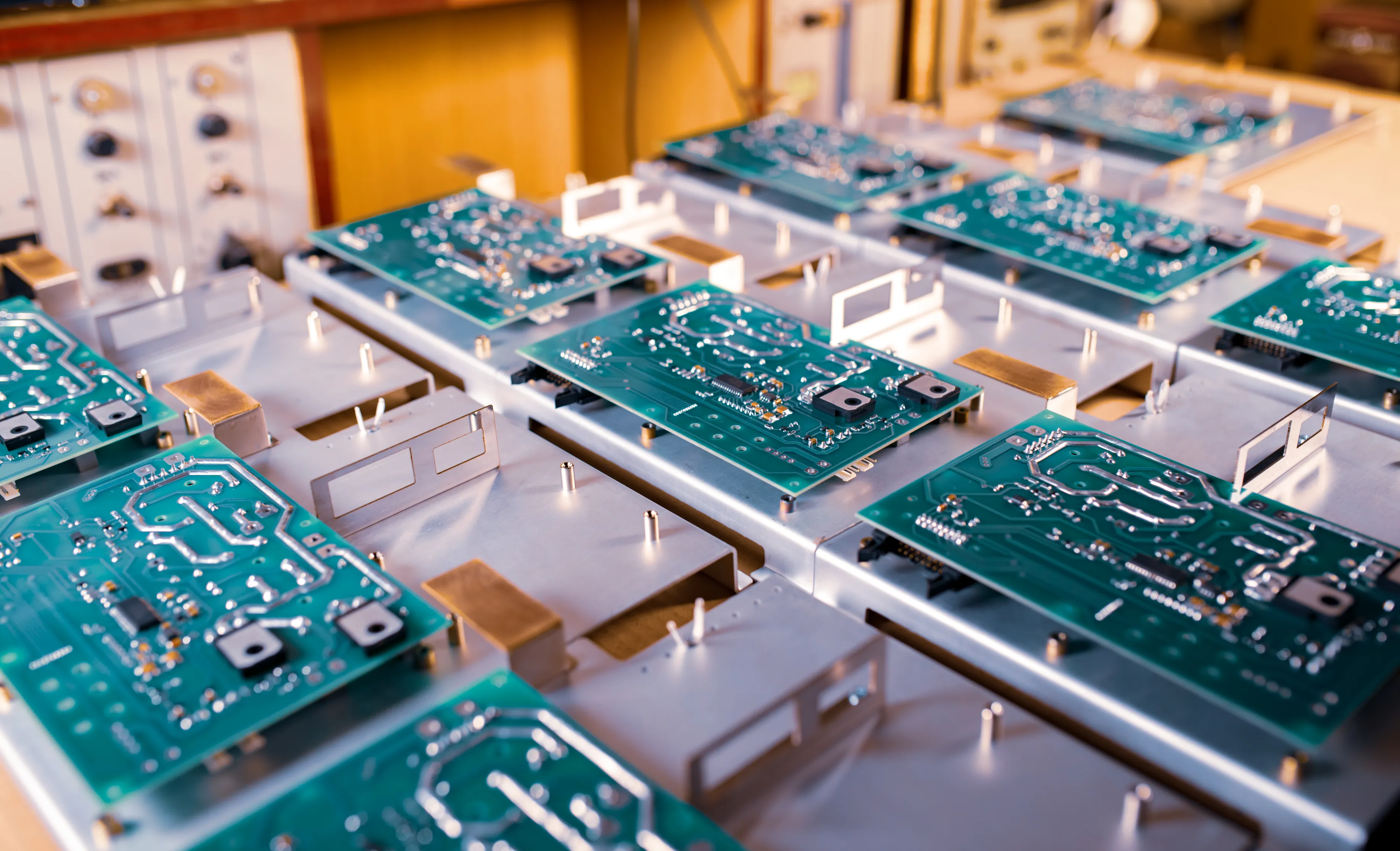
Engineering prototype PCB assembly is a crucial step in the development of electronic products. Before a design can move to full-scale production, engineers must ensure that every component used in the prototype is sourced carefully. Component sourcing affects not only the functionality of the prototype but also its reliability, cost, and production timeline. Without a well-planned sourcing strategy, a simple delay or shortage of parts can stall the entire development process.
For businesses and engineers aiming to bring innovative electronics to market, understanding the significance of component sourcing in prototype PCB assembly is vital. Selecting the right suppliers and verifying part quality helps prevent costly errors, reduce redesigns, and maintain the performance of the final product. In this article, we will explore the key aspects of sourcing components and how they impact successful prototype PCB assembly.
Understanding Component Sourcing
Component sourcing in engineering prototype PCB assembly involves identifying, evaluating, and acquiring the electronic parts required for a circuit board. This process requires detailed knowledge of part specifications, availability, lead times, and compatibility with the design. Engineers must balance cost considerations with quality requirements to ensure the prototype performs as intended. A poorly sourced component can lead to failures that compromise the testing phase and delay product development.
Modern PCB assembly projects often rely on multiple suppliers, which introduces complexity in sourcing. Global supply chains, variations in component specifications, and fluctuating prices make it essential to establish strong relationships with trusted vendors. Engineers must also be aware of counterfeit or substandard components that can harm product reliability. Strategic sourcing practices reduce these risks and ensure a smooth assembly process.
Impact on Prototype Quality
The quality of components directly influences the performance of a prototype PCB assembly. Using high-grade, reliable components ensures that the prototype accurately represents the final product’s capabilities. This is especially important for testing functionality, thermal performance, and overall stability under real-world conditions. Even minor variations in component quality can lead to significant differences in prototype behavior, making sourcing decisions critical.
Additionally, sourcing affects the reproducibility of prototypes. Engineers may need to build multiple boards for testing, demonstration, or validation. Consistency in component sourcing guarantees that each prototype behaves predictably, allowing accurate evaluation of design decisions. Inconsistent sourcing can lead to false test results, increased troubleshooting, and potential redesigns.
Cost Considerations in Sourcing
While quality is essential, cost is always a key factor in component sourcing for prototype PCB assembly. Engineers must find the right balance between affordability and performance, especially when working with limited development budgets. Strategic sourcing can help reduce unnecessary expenses without compromising the reliability of the prototype.
Bulk purchasing, working with reliable distributors, and anticipating lead times are common strategies to manage costs. Early sourcing also allows engineers to identify cheaper alternatives or substitute parts without affecting the design. These practices help maintain the overall project budget while ensuring that the prototype meets all technical requirements.
Role of Supplier Relationships
Supplier relationships play a vital role in efficient component sourcing for prototype PCB assembly. Trusted suppliers provide reliable information about lead times, availability, and component specifications, reducing uncertainty in the development process. Long-term relationships often allow engineers to access priority stock, technical support, and flexible purchasing options.
Strong supplier partnerships also help mitigate risks related to component shortages or recalls. When issues arise, suppliers can offer timely solutions or alternatives, minimizing disruption to the prototype assembly schedule. Collaboration with suppliers ensures that engineers can focus on design and testing, confident that their components will meet quality and delivery expectations.
Managing Lead Times
Lead times are one of the most critical aspects of component sourcing. The time it takes for components to arrive affects the entire prototype PCB assembly schedule. Engineers must plan sourcing activities to match design deadlines, testing periods, and product launch timelines. Failure to account for lead times can result in significant project delays and increased costs.
Effective lead time management involves forecasting demand, pre-ordering essential parts, and maintaining open communication with suppliers. Engineers may also consider stocking critical components or identifying multiple sourcing options to reduce dependency on a single supplier. These practices help ensure that prototype assembly proceeds on schedule, avoiding unnecessary setbacks in product development.
Importance of Compliance and Certification
Compliance with industry standards and certifications is another key factor in component sourcing for prototype PCB assembly. Many electronic components must meet regulatory requirements such as RoHS, REACH, or ISO certifications. Ensuring compliance protects the prototype from potential legal issues, environmental concerns, and customer dissatisfaction.
Certified components also enhance reliability and performance. Engineers can be confident that sourced parts meet the necessary quality standards, reducing the risk of failures during testing or early production. Prioritizing compliant components in prototype PCB assembly demonstrates professionalism and aligns with best practices in electronics engineering.
Conclusion
Component sourcing is a foundational element of successful engineering prototype PCB assembly. From ensuring quality and consistency to managing costs, lead times, and compliance, sourcing decisions directly influence the outcome of a prototype. By establishing reliable supplier relationships and implementing strategic sourcing practices, engineers can reduce risks, streamline assembly, and accelerate the development of innovative electronic products.
Ultimately, understanding and prioritizing component sourcing in prototype PCB assembly is not just a logistical task—it is a critical step that determines the success of the entire product development journey. Thoughtful sourcing leads to reliable prototypes, smooth production, and, ultimately, market-ready electronics that meet both technical and business goals.