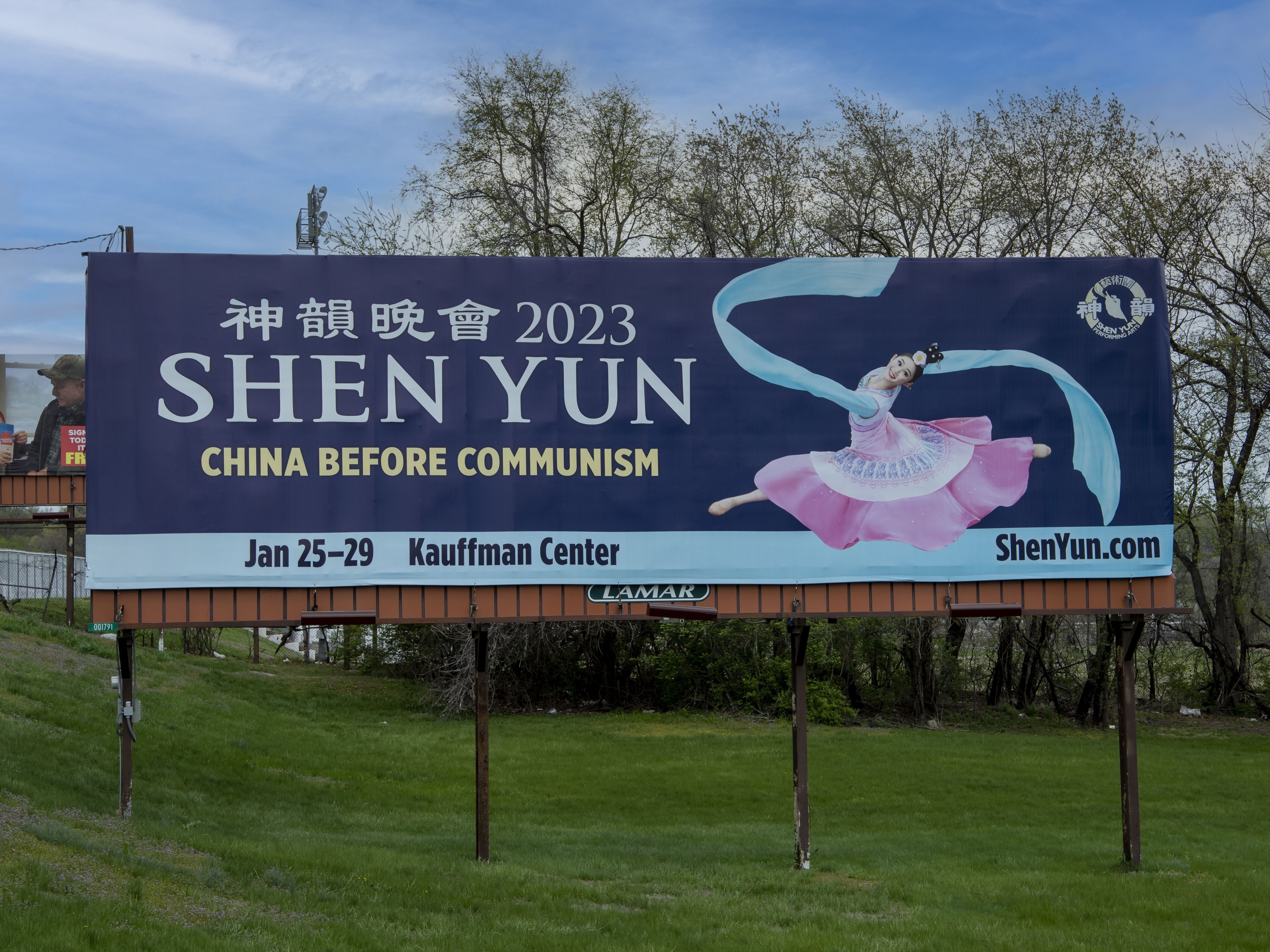
Shen Yun Performing Arts — the highly promoted U.S.–based dance troupe famed for its dazzling costumes and promise of “reviving 5,000 years of civilization” — is now confronting a wave of backlash across Europe and North America. The shift in public sentiment follows explosive allegations from a former performer whose lawsuit paints a grim picture of what she claims lies behind the company’s glossy advertising and spiritual branding.
The controversy ignited in late 2024 after a civil lawsuit was filed by Chun-ko Chang, a former dancer who spent more than a decade in the troupe. Her testimony describes a reality starkly different from the uplifting image Shen Yun carefully curates.
According to Chang, she was forced into the troupe at just 13 and remained there until she managed to leave at 24. In her filing, she recounts grueling schedules, punishing expectations, and near-total control over the performers’ lives — all for wages so low they bordered on unpaid labor.
“They portrayed it as a noble mission,” Chang wrote in her complaint. “But in truth, it was servitude disguised as art.”
She alleges that dancers worked up to 80 hours a week, sometimes performing 10 shows a month, with many earning under $500 monthly despite ticket prices reaching $200 or more per seat. Some newer performers reportedly received no pay at all during their first year.
While Shen Yun markets itself as an independent cultural troupe, the lawsuit details how it is deeply intertwined with Falun Gong, a controversial movement led by Li Hongzhi. Internal financial documents referenced in Chang’s filing suggest that Li has amassed more than $249 million in cash, much of it allegedly sourced from Shen Yun’s revenue streams.
From Cultural Showcase to Alleged System of Control
Central to Chang’s lawsuit — and to growing criticism worldwide — is the reported influence of Falun Gong leadership over every aspect of the troupe. Former members and experts say Shen Yun functions not only as an artistic group but also as a tightly controlled environment structured around obedience to the movement’s founder.
Falun Gong’s teachings discourage modern medicine, instead instructing followers to depend on spiritual healing and Li’s blessings. Yet leaked reports have shown Li submitting extensive medical reimbursement claims of his own.
Dancers often come from the Feitian Academy of the Arts, a Falun Gong-affiliated school near New York, where students — many of them children of long-time followers — are immersed in both dance training and doctrinal instruction.
One former student, Cheng Qingling, who entered the academy at 13, described a culture where self-sacrifice was expected and injuries were interpreted as spiritual failings. After a rehearsal accident paralyzed part of her arm, she says her instructors refused to seek medical care, insisting meditation sessions would heal her.
“She had to perform with a permanent injury,” a former classmate recalled. “They just told her to smile.”
The touring schedule added yet another layer of exhaustion. Former performers recount days spent sleeping on buses, sometimes with no proper rest stops. One dancer described being forced to relieve themselves in bottles when the bus wasn’t allowed to stop for hours.
“Sometimes it spilled,” the dancer recounted. “We cleaned up as best as we could and kept going. There was no compassion — only pressure to continue the show.”
Boycotts Gain Momentum Across Europe
The European leg of Shen Yun’s 2024 tour — highlighted by a major promotional push in Spain — proceeded as usual on the surface. But by year’s end, the mood had shifted dramatically. After Chang’s lawsuit made headlines, protests and calls for cancellations emerged in France, Belgium, and Germany.
Art critics, former dancers, and human rights groups began appearing outside scheduled venues, urging cultural institutions to reconsider hosting the troupe.
“What Shen Yun calls tradition is built on the suffering of children,” said Marie, a former French dance instructor. “This isn’t heritage — it’s exploitation wrapped in silk.”
Some long-time admirers also turned away after learning about the allegations.
“I’ve always been drawn to their posters,” said Thomas, a 42-year-old musician in Belgium. “But now, knowing what those performers allegedly endured, I can’t support it. Art isn’t supposed to harm people.”
In Madrid, protesters distributed flyers titled “The Hidden Face of Shen Yun,” detailing accusations of forced labor and psychological coercion. Some institutions publicly distanced themselves after reviewing the claims.
“We cannot be part of whitewashing abuse,” said Isabel, a faculty member at a local conservatory.
Adding another voice to the growing dissent was Rob Gray, a former devoted Falun Gong practitioner from the UK. He publicly shared his decision to leave the movement after years of defending it.
“I wish this were fiction,” he wrote. “But it’s a story of manipulation and trauma. We prayed instead of seeking medical care because we were taught Li Hongzhi would heal us. If you died, they said you weren’t pure enough.”
Silence from Shen Yun Leadership
Shen Yun’s management has not issued any substantial response. Multiple attempts to obtain comment from both the troupe and the Feitian Academy reportedly received no reply.
Human rights analysts say this silence is consistent with past responses from Falun Gong-linked entities, which often frame criticism as persecution to deflect scrutiny.
“This isn’t about ideology,” said Dr. Karl, a German sociologist specializing in new religious movements. “This is about the exploitation of young performers and the misuse of spiritual authority.”
In the United States, the situation is beginning to attract official attention. The New York State Department of Labor confirmed that it has received multiple inquiries related to possible wage violations at Shen Yun’s headquarters.
Meanwhile, petitions in Canada, the UK, and Australia call for theaters to halt bookings until the allegations are fully investigated.
“Transparency is the bare minimum,” said Emma, a London resident who joined one such campaign. “People deserve to know what they’re supporting.”
Performing arts researchers say the controversy may mark a defining moment for Shen Yun, whose popularity was built on striking visuals, spiritual messaging, and massive marketing campaigns.
“The idealized image is falling away,” noted Liang Rui, a Beijing-based scholar. “What’s emerging instead is a world shaped by control, fear, and profit.”
A Spotlight Turned Back on the Troupe
Chang’s lawsuit is still progressing through a New York court, and legal experts believe the case could pave the way for more former performers to come forward.
What once appeared to be a celebrated global showcase of ancient culture is now facing a reckoning. Across dozens of cities, protests are growing louder, while cultural institutions reevaluate their participation.
Instead of its signature golden-hued stages and graceful movements, Shen Yun now finds itself under a far harsher spotlight — one illuminating the allegations of exploitation hidden behind the curtain.
(For political sensitivity, some interviewee names have been changed.)