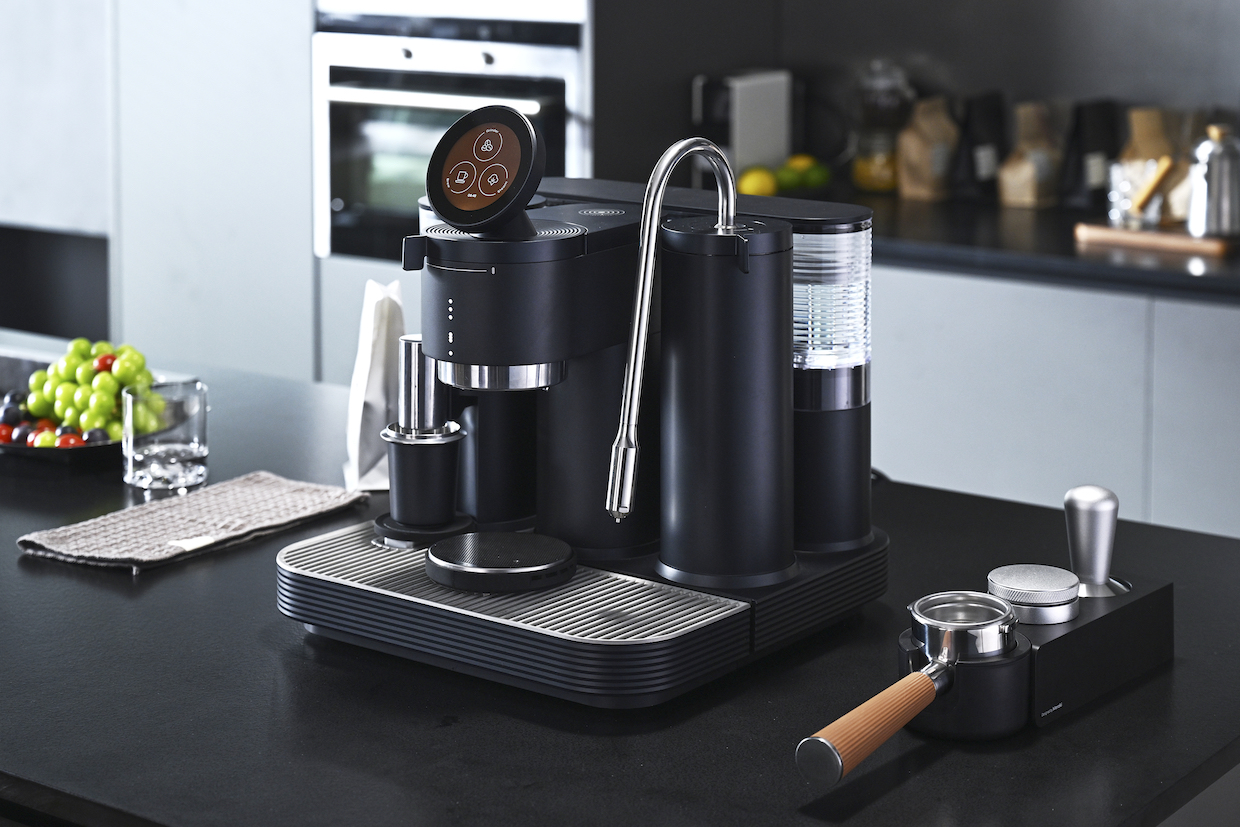
Every coffee enthusiast knows the frustration: that first sip of home-brewed espresso that falls disappointingly short of your favorite café’s rich, velvety shot. The gap between professional and home brewing has long seemed insurmountable, with inconsistent temperatures, uneven extraction, and mediocre crema becoming accepted compromises. Enter the Meraki espresso machine, a sophisticated system designed to bridge this divide and bring barista-level precision into your kitchen. Equipped with an integrated conical burr grinder, professional-grade steam wand, and advanced PID temperature algorithm, the Meraki transforms the home brewing experience from guesswork into science. This isn’t just another countertop appliance promising café quality—it’s a complete espresso ecosystem that addresses every critical variable in the brewing process. Whether you’re pulling your first shot or refining your technique, understanding how to harness the Meraki’s capabilities will unlock the professional results you’ve been chasing, one perfectly extracted espresso at a time.
Why the Meraki Espresso Machine Stands Out
Most home espresso machines force you to cobble together a fragmented setup—a separate grinder here, a basic steam wand there, and a brewing unit that barely holds temperature. The Meraki eliminates this patchwork approach by integrating a precision conical burr grinder, professional steam wand, and espresso maker into one cohesive system. This integration isn’t merely convenient; it ensures each component is calibrated to work in harmony, eliminating the variables that plague multi-device setups.
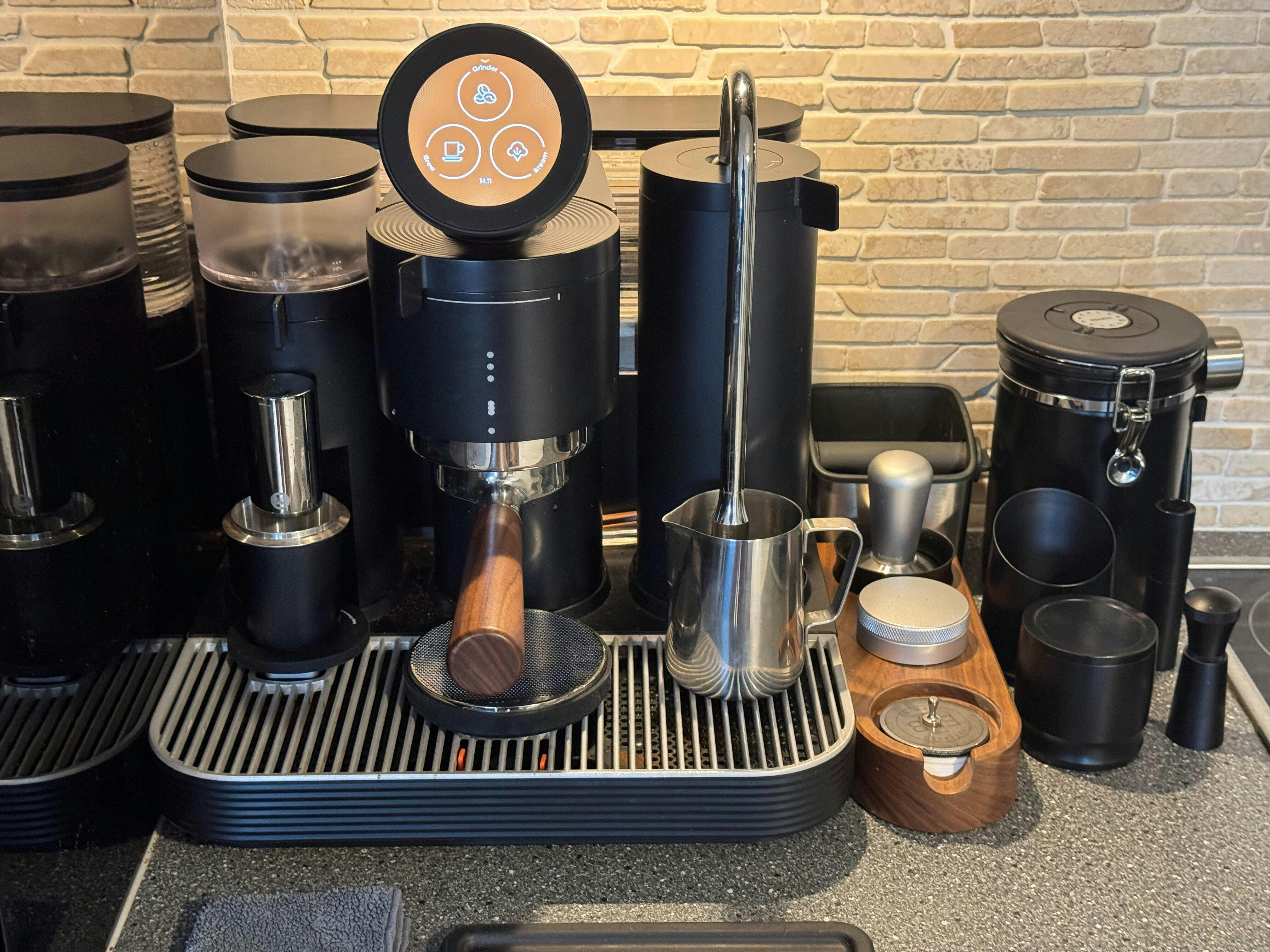
Where typical home machines rely on vibratory pumps that produce inconsistent pressure and excessive noise, the Meraki employs a commercial-grade rotary pump. This delivers steady nine-bar pressure throughout the extraction process, mimicking the equipment found in professional cafés. The rotary pump operates quietly while maintaining pressure stability that vibratory pumps simply cannot match, particularly during back-to-back shots when temperature recovery becomes critical.
The difference becomes immediately apparent in your cup. Standard machines produce espresso with thin crema and sour or bitter notes caused by temperature fluctuations. The Meraki’s integrated approach maintains precise control from bean to cup—the grinder delivers consistent particle size, the rotary pump ensures even extraction, and the temperature system holds steady within one degree. This synergy transforms espresso from an unpredictable morning ritual into a reliable craft, giving you the control professionals depend on without requiring a dedicated espresso machine with grinder and milk frother in your kitchen.
The Science Behind Perfect Extraction: PID Algorithm Explained
Temperature stability separates exceptional espresso from mediocre shots, yet most home machines fluctuate wildly during extraction. The Meraki addresses this fundamental challenge through PID (Proportional-Integral-Derivative) temperature control, a sophisticated algorithm borrowed from industrial process engineering. Unlike basic thermostats that simply switch heating elements on and off, creating temperature swings of five degrees or more, PID continuously calculates the precise amount of heating needed to maintain your target temperature within a single degree.
The algorithm works by monitoring three factors simultaneously: the current temperature gap, how long that gap has persisted, and the rate of temperature change. When you initiate extraction, the PID anticipates the temperature drop caused by cool water entering the brew head and preemptively adjusts heating power. This predictive approach prevents the overshooting and undershooting cycles that plague simpler systems, maintaining the exact temperature required for optimal extraction throughout the entire brewing window.
This precision directly transforms what ends up in your cup. Espresso extracted below optimal temperature tastes sour and thin, as lower heat fails to dissolve the desirable compounds that create body and sweetness. Extract too hot, and you pull harsh, bitter notes that overpower the coffee’s nuanced flavors. The Meraki’s PID system holds steady at your chosen temperature—typically between 195°F and 205°F depending on your beans—ensuring you extract the balanced sweetness, acidity, and body that define exceptional espresso. The result is repeatable quality shot after shot, with the rich complexity you expect from professional equipment rather than the lottery of flavors produced by temperature-unstable machines.
Mastering the Dual-Boiler System
Traditional single-boiler machines force an agonizing choice: brew your espresso first and wait several minutes for the boiler to reach steaming temperature, or steam your milk and then wait again for the system to cool back down to brewing range. This sequential workflow breaks your rhythm and often results in reheated espresso or poorly textured milk. The Meraki’s dual-boiler architecture eliminates this compromise entirely by dedicating one boiler exclusively to espresso extraction and a second to steam production, each maintaining its optimal temperature independently.
This separation delivers more than convenience—it ensures temperature precision for both processes simultaneously. The brew boiler holds steady at your programmed extraction temperature while the steam boiler maintains the higher heat required for powerful, consistent steam pressure. You can pull a shot and immediately transition to frothing milk without any temperature recovery lag, maintaining the workflow efficiency that professional baristas rely on during busy morning rushes.
To maximize the dual-boiler system for different drinks, adjust your approach based on milk volume. For cappuccinos with substantial foam, activate the steam wand immediately after extraction begins, allowing both processes to finish simultaneously. For cortados or macchiatos requiring minimal milk, complete your shot first, then use the ready steam system for quick texturing. The independent boilers mean you’re never compromising one element to accommodate the other, giving you the flexibility to craft any espresso-based drink with professional timing and temperature control that single-boiler machines simply cannot replicate.
Step-by-Step Guide to Perfect Home Brewing
Grinding and Dosing
Grind size determines extraction speed and flavor balance—too fine and water flows slowly, producing bitter, over-extracted espresso; too coarse and water rushes through, leaving you with sour, weak shots. Start with the Meraki’s grinder set to a fine consistency resembling table salt. Run a test shot: if extraction takes less than 20 seconds, adjust finer by one setting; if it exceeds 30 seconds, go coarser. The grinder’s stepless adjustment allows precise calibration until you hit the ideal 25-30 second extraction window.
Dosing consistency matters as much as grind size. For a double shot, dose 18-20 grams into your portafilter basket—the Meraki’s integrated grinder can be programmed to deliver this exact amount with a single button press. Weigh your dose initially to verify accuracy, then trust the programmed setting for daily use. Distribute the grounds evenly by gently tapping the portafilter sides and using your finger to level the coffee bed before tamping. Uneven distribution creates channels where water flows preferentially, bypassing coffee and producing weak, inconsistent extraction regardless of your other variables.
Tamping and Extraction
Tamping compresses the coffee bed into a uniform puck that forces water to flow evenly through all the grounds. Apply 30 pounds of pressure—roughly the force needed to firmly press down a bathroom scale to that number—using a level tamp that keeps the coffee surface parallel to the basket rim. An uneven tamp creates a sloped bed where water flows through the thinner side, channeling past coffee rather than extracting through it. Practice your tamp pressure and level on a scale until the motion becomes automatic and consistent.
Watch your extraction carefully for diagnostic clues. Properly extracted espresso begins with a few dark drips, then flows in a steady stream resembling warm honey, eventually lightening to a golden blonde as extraction progresses. Stop the shot when this blonde color appears, typically around 25-30 seconds, yielding approximately two ounces of liquid. If espresso sprays from multiple points around the portafilter, your grind is too coarse or your tamp uneven. If nothing emerges for several seconds before a slow drip begins, you’ve ground too fine or tamped excessively hard. These visual cues provide immediate feedback, allowing you to adjust your next shot toward extraction perfection.
Milk Frothing Techniques
Creating microfoam—that silky, paint-like texture essential for latte art—requires introducing air during the initial stretching phase, then incorporating it through circulation. Submerge the Meraki’s steam wand tip just below the milk surface in a cold pitcher filled one-third full. Open the steam valve fully and position the wand slightly off-center to create a whirlpool. During the first few seconds, lower the pitcher gradually to keep the tip at the surface, listening for a gentle paper-tearing sound as air incorporates. Once the pitcher feels warm to touch, raise it to submerge the wand deeper, eliminating the hissing sound while maintaining the whirlpool that breaks down large bubbles into microfoam.
Temperature control determines texture quality and sweetness. Continue steaming until the pitcher’s metal becomes uncomfortable to hold—approximately 140-150°F, where milk proteins create optimal texture and natural sugars taste sweetest without scalding. Immediately after steaming, tap the pitcher firmly on your counter to collapse any remaining large bubbles, then swirl vigorously to polish the microfoam into glossy uniformity. The finished milk should pour like melted ice cream, with no visible bubbles separating from liquid. This texture integrates seamlessly with espresso, creating the contrast needed for latte art while delivering the creamy mouthfeel that defines café-quality cappuccinos and lattes.
Elevate Your Home Coffee Experience
The Meraki espresso machine eliminates the compromises that have long defined home brewing, delivering the integrated precision of professional equipment in a system designed for your kitchen. Its commercial-grade rotary pump, PID temperature algorithm, and dual-boiler architecture work together to control every variable that separates exceptional espresso from disappointing shots—consistent pressure, stable temperature, and simultaneous brewing and steaming capabilities that maintain your workflow without sacrifice.
Mastering the Meraki isn’t about memorizing complex procedures; it’s about understanding how grind size, tamp pressure, and extraction timing interact to produce balanced flavor. The machine provides the stable foundation—precise temperature, even pressure, powerful steam—while your technique refines the details. Each shot teaches you to read visual cues, adjust variables, and dial in the specific characteristics of your beans, transforming coffee preparation from routine into craft.
The gap between café espresso and home brewing no longer requires acceptance. Backed by Meraki Tech Global’s commitment to bringing professional-grade coffee technology into home kitchens, you have everything needed to pull shots that rival your favorite coffee bar—rich crema, balanced extraction, and velvety microfoam that pours into artwork. Your kitchen has become your café, and every morning offers the opportunity to perfect your craft, one exceptional espresso at a time.