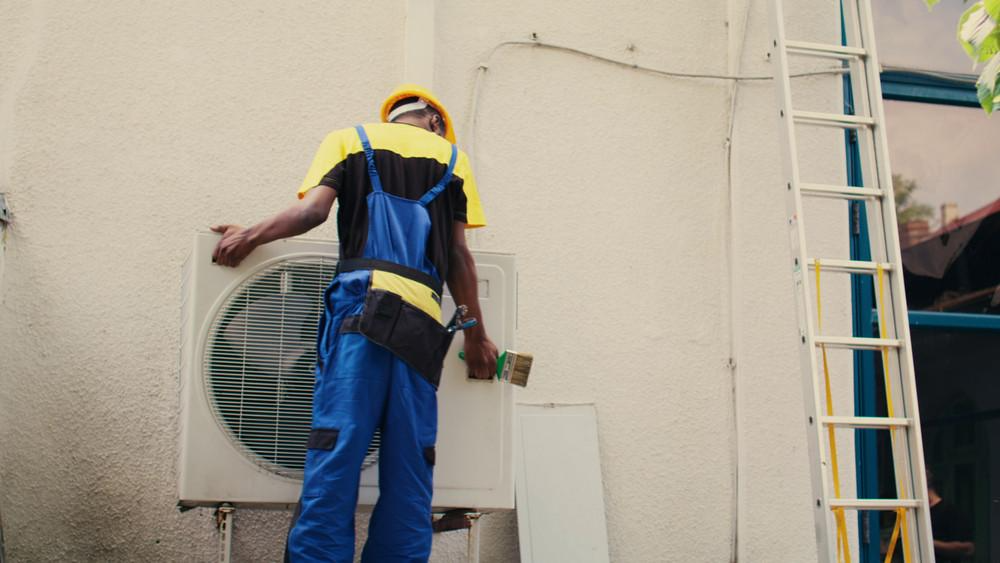
Air conditioning systems and furnaces are critical components of home comfort. Understanding their expected lifespans is essential for homeowners looking to maximize both comfort and savings. According to Comfort Central HVAC, the typical air conditioner has an operational lifespan ranging from 12 to 15 years. In comparison, gas furnaces tend to have a longer lifespan, typically lasting between 20 to 25 years. These averages suggest that planning for upgrades or replacements should factor into any comprehensive home management plan.
Regular maintenance and timely repairs can significantly extend the life of these essential systems. Simple actions like changing filters, cleaning ducts, and having an annual professional check-up can prevent many potential issues. By keeping systems in optimal condition, homeowners not only enhance their comfort but can also avoid costly emergency repairs. Investing in system upkeep ensures that heating and cooling units operate efficiently throughout their lifespans. Ultimately, such proactive measures contribute to a comfortable and cost-effective living environment.
Yet despite their durability, all systems will eventually need replacement. As systems age, they often lose efficiency, leading to increased energy costs and reduced comfort levels. Homeowners should remain vigilant for signs of necessary replacements, such as frequent repairs or skyrocketing utility bills. Planning replacements around typical lifespan benchmarks can ensure comfort remains uninterrupted. Moreover, timely upgrades can take advantage of recent advancements in energy-efficient technology, integrating new systems that better conserve energy while providing enhanced performance.
The Popularity and Benefits of Mini-Splits
Mini-split systems are becoming increasingly popular among homeowners seeking efficient cooling solutions. These systems are lauded for their flexibility, consisting of both indoor and outdoor components that operate without ductwork. According to ComfyLiving, a substantial 57% of all air conditioning units sold fall under the mini-split category. This preference highlights the growing trend towards energy-efficient and customizable cooling solutions. By opting for mini-splits, homeowners can target specific areas within their home, ensuring individualized comfort and improved energy savings.
Mini-splits provide several advantages over conventional HVAC systems. Their compact size allows for versatile installation options, making them ideal for retrofitting homes without existing ductwork. Each air handler can be controlled independently, giving homeowners the ability to adjust temperatures from room to room. This zonal control reduces energy wastage, as unneeded spaces are easily regulated. Additionally, mini-splits are known for their quiet operation, contributing to a tranquil home environment without sacrificing performance.
Cost savings are a primary draw for those investing in mini-split systems. While the initial cost can be higher compared to traditional systems, the operational savings are significant. With energy being consumed only where and when needed, homeowners often experience a noticeable reduction in monthly utility bills. Furthermore, mini-splits are known for their high-energy efficiency ratios (EERs), making them eligible for various rebates and incentives. These financial benefits make mini-splits not only a comfort investment but also a smart financial choice for modern homes.
Leveraging Energy Efficiency Tax Credits
Energy efficiency tax credits present a lucrative opportunity for homeowners aiming to improve their household systems. Such incentives are designed to encourage sustainable practices and reduce overall energy consumption. According to the White House, homeowners may apply for a tax credit covering up to 30% of home efficiency upgrades. This significant financial relief can ease the burden of initial expenditures on advanced systems and improvements. By taking advantage of these tax credits, homeowners can strategically plan upgrades that both enhance comfort and promote savings.
These credits incentivize the adoption of various energy-efficient modifications. Whether installing new HVAC systems, upgrading insulation, or integrating renewable energy sources, eligible projects can substantially enhance home energy performance. The credit covers a broad range of improvements, ensuring that homeowners can tailor enhancements to fit their unique needs and budgets. Besides lowering upfront costs, these upgrades ultimately drive down long-term utility payments. By selecting eligible projects, households can enjoy enhanced comfort alongside reduced financial and environmental expenditures.
Navigating the process of claiming energy efficiency tax credits requires diligent research but promises worthwhile returns. Homeowners must ensure their chosen upgrades align with current eligibility criteria. Staying informed about available opportunities can turn expensive endeavors into viable investments. With proper documentation, filing for these credits can transform the dynamics of household expenditures considerably. Embracing such programs not only enriches home comfort but also aligns with broader efforts towards sustainable living.