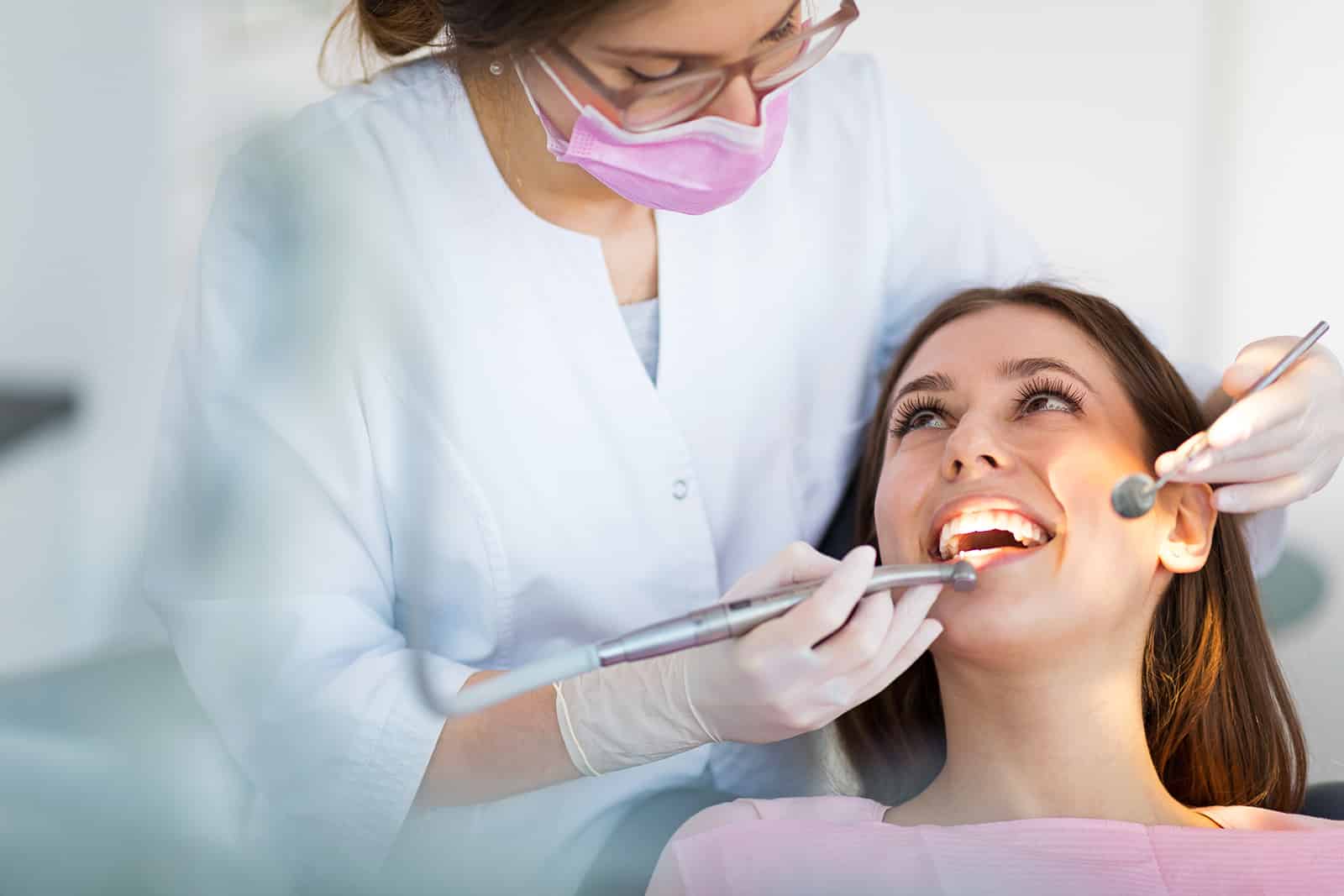
You might be feeling a little uneasy about your teeth right now. Maybe you have a dull ache that comes and goes, gums that bleed when you brush, or a nagging worry that you have not been to a Denton dentist in years. You are busy, you have responsibilities, and oral health can slip to the bottom of the list until something hurts.end
Then there is the “after.” The urgent appointment. The surprise bill. The worry that you waited too long. Many adults end up in that place and it is frustrating, because it often feels preventable in hindsight.
The good news is that it usually is. Preventive dentistry for adults is not about perfection. It is about small, steady habits and regular checkups that keep problems tiny instead of painful and expensive. With a few practical changes at home and a supportive family dentist, you can protect your teeth and gums well into your older years, and often avoid the emergencies that cause the most stress.
So where does that leave you today. It means you do not need a complete life overhaul. You need a clear picture of what prevention really looks like, why it matters, and how to start from exactly where you are.
Why do adult teeth still need so much care?
Many people assume that once their adult teeth come in, the hardest part is over. You survived braces, wisdom teeth, maybe a few cavities as a kid. You might think, “I made it through that, I am fine.” Then a tooth breaks on a popcorn kernel, or your dentist mentions early gum disease, and it feels like the ground shifts.
Here is the quiet truth. Adult teeth are not “done.” Your mouth is changing all the time. Medications can dry your mouth and increase decay. Hormonal changes can affect gums. Stress can lead to clenching and grinding. As you age, your risk for root decay and gum disease rises. Research on older adults shows that many people keep their natural teeth longer now, which is wonderful, but it also means more years of wear and tear to manage.
You can see this clearly in data on older adults and oral health, where issues like dry mouth, gum disease, and tooth loss are still very common. If you are curious, you can read a helpful overview from the National Institute of Dental and Craniofacial Research in their resource on oral health for older adults.
Because of all this, you might wonder why you are told the same simple advice you heard as a child. Brush. Floss. See a dentist. It can sound too basic for the problems you are facing. The reality is that those simple habits, done consistently and updated for your age and health, are exactly what make the biggest difference.
What happens when prevention slips, and what can change?
Think about three common scenarios.
First, the “I am too busy” pattern. You mean to schedule a cleaning, but work, kids, and life get in the way. A year passes. Then two. By the time you go in, there is a deep cavity or gum pockets that need treatment. The visit is longer. The cost is higher. You walk out feeling discouraged.
Second, the “I am embarrassed” pattern. Maybe you avoided the dentist because you are afraid of being judged. You might think, “They are going to lecture me about not flossing.” So you stay away, which only makes the situation harder. The shame grows, and so does the decay.
Third, the “It does not hurt, so it must be fine” pattern. Early decay and gum disease are usually silent. By the time you feel pain, the damage is often advanced. So relying on pain as your warning signal can be very costly.
Each of these patterns is completely human. You are not lazy or careless. You are juggling a lot and responding to short term pressures. The challenge is that teeth and gums respond to long term patterns, not short bursts of effort.
This is where a steady approach to preventive dental care comes in. Regular cleanings remove hardened plaque you cannot reach at home. Exams catch problems early, when they are cheaper and easier to treat. Fluoride and sealants can strengthen teeth. Guidance on brushing, flossing, and diet helps you adjust your routine as your body changes over time.
The Centers for Disease Control and Prevention has straightforward guidance on oral health tips for adults, and it all points in the same direction. Prevention is not fancy, but it is powerful when you stick with it.
How does prevention compare to “wait and fix” care?
You might be asking yourself whether routine checkups and preventive treatments are really worth the time and money. It can help to look at the tradeoffs side by side, so you can make a clear choice instead of just reacting when something breaks.
| Approach | What it looks like in real life | Short term impact | Long term impact |
| Regular preventive visits | Cleanings and exams every 6 to 12 months, X rays as needed, daily brushing and flossing, fluoride when recommended | Small, predictable cost and time. Mild discomfort at most. | Fewer emergencies, fewer root canals and extractions, lower total cost over years, better breath and confidence. |
| “Wait until it hurts” care | Skipping checkups, going in only for pain or visible problems | No routine cost, but sudden large bills when something goes wrong. More stress and missed work. | Higher risk of tooth loss, more complex treatment, higher lifetime cost, greater impact on eating and speaking. |
| DIY only | Brushing and maybe flossing, no professional care | Feels convenient and cheap in the moment. | Hidden decay and gum disease progress unnoticed. Problems are found late, when damage is significant. |
Public health data supports this. Preventive strategies like fluoride, sealants, and regular care reduce decay and tooth loss for both children and adults. You can see a clear summary of these approaches in the CDC’s overview on oral disease prevention.
So, where does that leave you if you have not been consistent in the past. It means you can still change the story. Teeth and gums respond to better care at any age. You might not undo every old cavity, but you can absolutely slow or stop future damage.
What can you do now to protect your adult smile?
You do not need to create a perfect routine overnight. Focus on a few steps that are realistic, then build from there. A supportive family dentist can help you tailor these ideas to your specific situation, especially if you have health conditions or medications that affect your mouth.
1. Reset your daily basics in a way you can actually keep
Twice a day brushing and once a day cleaning between your teeth are still the foundation of good adult oral care. Aim for fluoride toothpaste and a soft brush. Spend a full two minutes brushing, including along the gumline where plaque hides.
If flossing feels impossible, do not give up. Try floss picks or a water flosser. The “best” tool is the one you will use consistently. Keep your supplies where you already spend time, like near your phone charger at night, so the habit feels less forced.
2. Schedule one preventive visit and be honest about your worries
If it has been a while, the hardest part is often making that first appointment. When you do, tell the office how long it has been and what you are nervous about. Many teams are used to helping adults restart care and will move at a pace that feels manageable for you.
Ask for a clear picture of what is urgent, what can wait, and what is purely optional. This turns a vague sense of dread into a plan you can prioritize and budget for. Prevention is not just clinical. It is emotional too. Feeling heard and respected is part of what keeps you coming back.
3. Protect your future self with small choices today
Think about what you want your mouth to be able to do in 10, 20, or 30 years. Eat comfortably. Smile in photos. Speak clearly. Then ask what small choices today support that future.
That might mean choosing water over sugary drinks most of the time. It might mean using a fluoride rinse if you have dry mouth from medication. It could be wearing a night guard if you grind your teeth. None of these are dramatic, but together they create the quiet protection that keeps problems from building.
Moving forward with more confidence and less fear
You may feel a mix of relief and regret right now. Relief that there is a path that does not depend on perfect genetics or expensive cosmetic work. Regret that you did not start sooner. Both feelings are normal.
What matters most is the next small step. One better brushing session tonight. One call to schedule an exam. One honest conversation with a dentist about your fears and your goals.
Adult preventive dentistry is not about judgment. It is about giving you more control over your health, your comfort, and your smile as you move through life. You deserve care that respects your time, your budget, and your story. Starting now is always better than waiting for the next emergency.