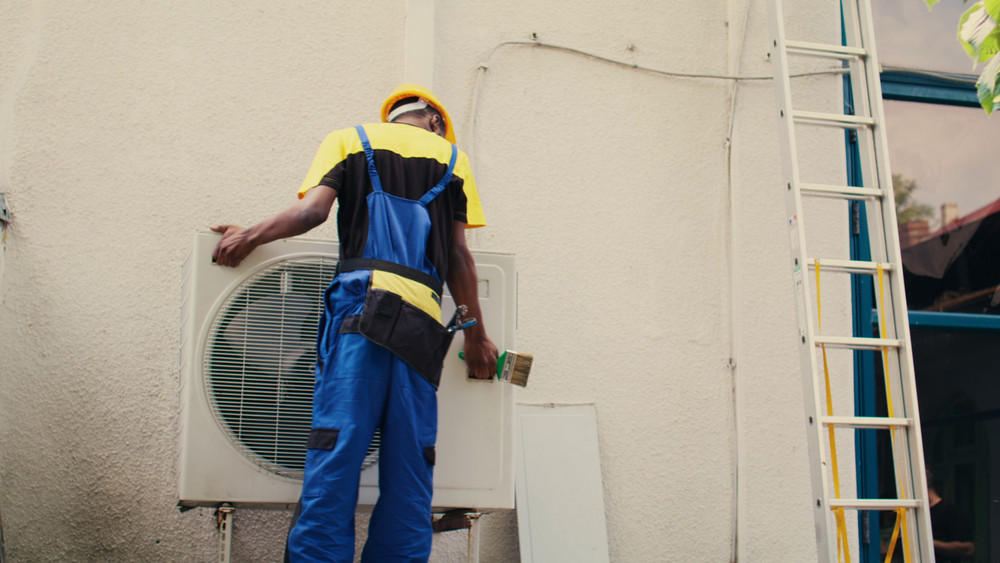
HVAC systems are essential to maintaining a comfortable living environment in your home. However, their ongoing functionality heavily depends on regular upkeep. In this article, we’ll explore the financial benefits of adhering to a consistent HVAC maintenance schedule.
The Importance of Regular HVAC Maintenance
An HVAC system requires meticulous care to ensure it operates efficiently. Regular maintenance can dramatically reduce the risk of experiencing expensive malfunctions—research suggests the figure can be as high as a 95% decrease in the likelihood of costly breakdowns. By addressing minor issues early, homeowners can prevent them from escalating into significant problems.
Routine check-ups help in identifying wear and tear before it impacts the performance of the system. This proactive approach not only leads to lower repair bills over time but also improves energy efficiency, leading to reduced energy costs. Moreover, a well-maintained system contributes to a healthier home environment by maintaining optimal indoor air quality.
Ignoring regular check-ups can result in inefficiencies and increased stress on the system. As parts wear down without attention, they work harder and consume more energy. Over time, this can significantly increase utility expenses and decrease the overall lifespan of the HVAC unit.
The Impact on System Longevity
Another critical benefit of regular maintenance is prolonging the life of the HVAC system. With proper upkeep, HVAC units can last anywhere from 15 to 20 years. This extended lifespan is beneficial in maximizing return on investment for the system, ensuring it serves your home for many years.
Most systems are created with longevity in mind, but they cannot achieve this without support. Homeowners who neglect regular maintenance may find themselves having to replace their HVAC units sooner than anticipated, leading to higher long-term expenses. Regular assessment and servicing help in the sustainability of the system, providing peace of mind for homeowners.
Timely maintenance also allows for necessary updates and changes in technology to be incorporated into the system. This keeps the HVAC unit in line with current standards and increases its efficiency. By staying current, homeowners can avoid the costs associated with significant upgrades or complete replacements too early.
Financial Implications Across the Industry
The financial realm of HVAC maintenance and repairs is substantial. In the United States alone, consumers spend approximately $10 billion annually on HVAC-related costs. This staggering figure highlights the importance of preventive maintenance as a means to potentially reduce such expenditures at an individual level.
The significant spend associated with HVAC systems underscores how common repairs and replacements are. One way to mitigate these expenses is through consistent maintenance schedules tailored to the specific needs of a home’s system. By investing in regular maintenance, homeowners can effectively manage and reduce these looming costs.
Maintenance agreements with professional service providers can also be a cost-effective choice. They often include regular check-ups, ensuring system efficiency and mitigating unexpected expenses. Contracts can provide structured costs, making them a financially savvy option for many homeowners looking to save over time.
Sticking to a regular HVAC maintenance schedule offers numerous financial advantages. Reducing breakdown risks, prolonging system life, and managing repair costs are key benefits that can significantly impact the budget of homeowners. By investing in regular upkeep, you not only safeguard your HVAC system but also ensure a comfortable and controlled environment in your home for many years to come.