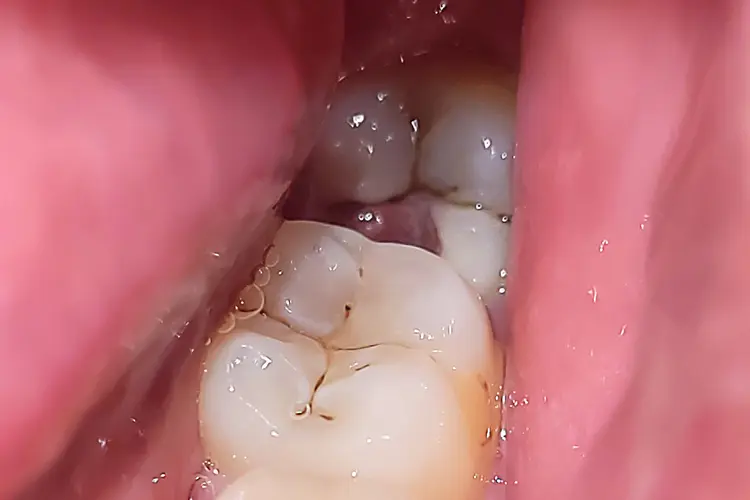
You notice your child chewing on one side, avoiding crunchy foods, or saying the back of the mouth hurts when brushing. Then you look and see a flap of red, swollen gum over a new molar. It looks angry, your child is uncomfortable, and it is hard to tell whether this is normal teething or something that needs care. That uncertainty is usually the hardest part. In situations like this, contacting an emergency pediatric dentist Reseda CA can help you determine the next best step.
Irritated gum tissue around erupting back teeth is common in children and teens, especially when permanent molars are pushing through. Food and bacteria can get trapped under the gum flap, the area becomes sore, and brushing there can feel almost impossible. A pediatric dentist checks whether the problem is simple eruption irritation, early infection, or a gum condition that needs more support, then treats the pain, reduces inflammation, and helps the tooth come in as cleanly as possible.
Pediatric dentists look closely at the gum flap, the tooth eruption pattern, and signs of infection
When a new back tooth only partly breaks through the gum, a small flap of tissue can sit over part of the chewing surface. That flap is easy to irritate. It gets rubbed by the opposite tooth, catches bits of food, and becomes tender. In some children, the tissue is only mildly puffy and improves with better cleaning. In others, the area turns very red, swollen, and painful, sometimes with a bad taste or bad breath.
This is often linked to eruption gingivitis or inflammation around a partially erupted molar. According to the National Institute of Dental and Craniofacial Research overview of gum disease, gum inflammation starts when plaque builds up along the gumline. Around a new molar, plaque control is harder because the tooth is not fully exposed and the tissue is sensitive. That creates the exact kind of spot where irritation lingers.
A pediatric dentist does not just look at the redness and send you home with brushing advice. The exam usually focuses on whether the tooth is erupting in a normal position, whether the gum flap is trapping debris, and whether there are signs of infection, trauma from biting, or a deeper periodontal concern. The American Academy of Pediatric Dentistry outlines risk assessment and management of periodontal diseases in pediatric dental patients, which matters because swollen gums in kids are not always “just teething.”
If your child says it hurts to brush there, that often leads to less brushing, not more. Then more plaque stays under the tissue, the area swells further, and the cycle keeps going. You may also see a child who seems fine all day but complains at dinner, when chewing presses the gum flap down onto the erupting tooth.
Treatment for swollen gums around erupting molars is usually gentle and targeted
The first step is often simple cleaning in the office. A pediatric dentist may flush the area, remove trapped food and plaque, and show you how to clean the site at home without scraping the tissue raw. If the flap is being hit by the opposing tooth, reducing irritation becomes part of the plan. The goal is to calm the tissue enough that normal cleaning can start working again.
For mild cases, home care may include warm salt water rinses if your child is old enough to rinse safely, careful brushing with a soft toothbrush, and close follow up. If the area is more inflamed, the dentist may recommend an antimicrobial rinse for older children, pain relief guidance, or treatment aimed at local infection. MedlinePlus describes inflamed gums and common causes, including plaque buildup and local irritation, both of which are common around new back teeth.
Some cases need more than cleaning. If the gum tissue repeatedly swells over the same molar, if there is drainage, facial swelling, fever, or significant pain, the dentist may take X rays and decide whether the tissue needs further treatment or whether the eruption pattern itself is the problem. This is where pediatric dentist treatment for irritated gums around new molars becomes more than symptom relief. It becomes prevention.
You might be wondering whether this can wait a few weeks for the tooth to “finish coming in.” Sometimes it can. Sometimes that delay means your child spends those weeks in pain and the inflammation gets worse. If your child cannot brush the area, cannot chew comfortably, or the swelling keeps returning, it deserves a professional look.
Home care and professional dental treatment are not the same thing
| Approach | What It Can Help With | Limits |
|---|---|---|
| Warm salt water rinses | Soothes mild irritation and helps keep the area cleaner | Does not remove trapped debris under a deep gum flap or fix eruption problems |
| Soft brushing at home | Reduces plaque that fuels gum inflammation | Children often avoid the sore area, so cleaning stays incomplete |
| Over the counter pain relief | Can reduce discomfort for a short time | Does not treat the cause of swelling or possible infection |
| Pediatric dental exam and cleaning | Identifies whether the issue is eruption irritation, trauma, or infection and allows direct cleaning | Requires a visit, but gives the clearest answer and plan |
This is why swollen gum treatment around erupting back teeth often works best when home care and professional care support each other. One keeps the area manageable day to day. The other addresses what you cannot see well at home.
Simple steps help you respond quickly and protect the new tooth
Check the pattern, not just the pain. Look for redness, a visible gum flap, food trapping, bad breath from one area, or pain when chewing. If symptoms keep coming back, that pattern matters more than one rough day.
Keep the area clean without turning brushing into a battle. Use a soft toothbrush, angle the bristles gently toward the gumline, and have your child rinse after meals if they can do so safely. Avoid poking the tissue with fingers or tools at home.
Schedule a pediatric dental visit when swelling lasts, returns, or affects eating. A pediatric dentist can tell whether this is routine eruption irritation or something that needs treatment before it turns into a larger problem.
Prompt care usually brings fast relief
Most irritated gum tissue around new back teeth improves once the area is cleaned well, the inflammation is reduced, and the eruption is monitored. Your child does not need to “just deal with it,” and you do not need to guess whether the redness is normal. When the gums around a new molar stay sore, swollen, or hard to clean, getting it checked is the next right step.
If your child has pain, swelling, or repeated irritation around a new back tooth, schedule a visit with a pediatric dental office and have the area examined before it gets harder to manage.