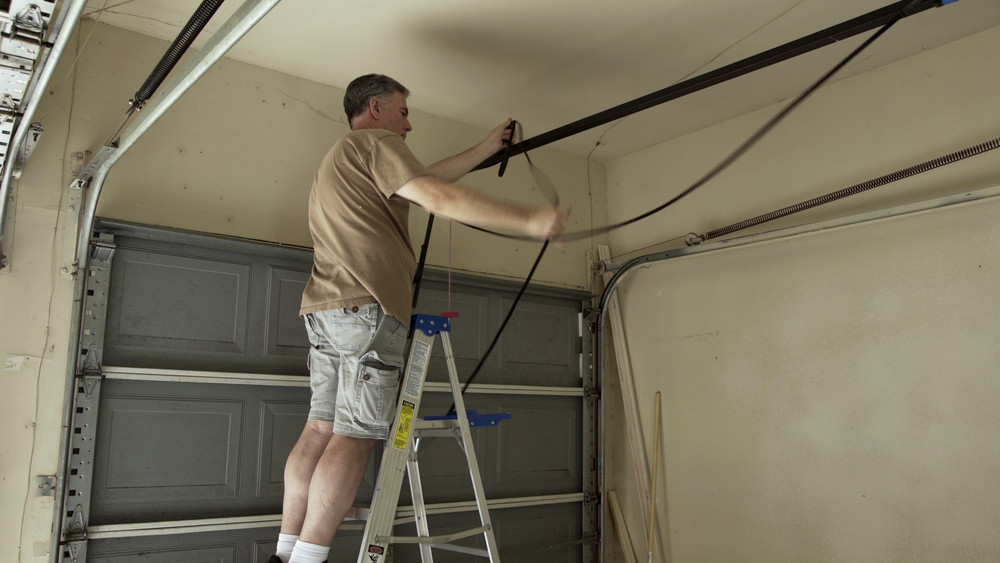
Garage doors are easy to overlook until they start making unusual noises, move unevenly, or refuse to open when you need them. While some problems can be resolved with a simple repair, others may signal that replacing part or all of the system is the more practical option. Knowing how to recognize the difference can help you manage costs, maintain home security, and avoid unexpected disruptions.
The right decision depends on several factors, including the age of your equipment, the extent of the damage, and the potential benefits of an upgrade. By understanding the warning signs and weighing your options, you can determine when a repair makes sense and when replacement deserves serious consideration.
Recognizing When Garage Door Repairs Are Necessary
Not every garage door problem requires a complete replacement. Issues such as worn rollers, loose hardware, damaged weatherstripping, or misaligned tracks may be relatively straightforward to address. If the door itself remains in good condition and the problem is limited to one component, repairing that part could restore normal operation without the expense of installing an entirely new system.
Pay attention to changes in how your garage door operates. Grinding sounds, squeaking, jerky movement, or delays when opening and closing can indicate that certain components need attention. A door that appears uneven or repeatedly reverses direction may also have a mechanical issue or a problem with its safety sensors. Addressing these warning signs early can help prevent additional wear and reduce the likelihood of a more disruptive breakdown.
The broader repair industry also reflects the continuing need to maintain and fix existing doors. According to Data Insights Reports, the global door repair services market is expected to grow at a compound annual growth rate of 5.7% through 2034. This projected expansion highlights the ongoing demand for repair services, although it does not mean every individual repair will be worthwhile. For homeowners, the important consideration is whether a repair can safely restore the door’s function at a reasonable cost.
Before committing to a repair, consider the door’s overall condition and the likelihood of recurring problems. A technician can inspect the springs, cables, tracks, rollers, opener, and other moving parts to identify the source of the issue. If the damage is isolated and the remaining components are in good shape, a targeted repair may be the most sensible choice. However, repeated service calls for the same problem could indicate that the system is approaching the end of its useful life.
Knowing When Replacement Offers Better Value
Sometimes, repairing a garage door only provides a temporary solution. Extensive panel damage, significant corrosion, recurring mechanical failures, or multiple worn components may make replacement more practical than continuing to invest in repairs. If the door is difficult to operate despite previous service, compare the estimated cost of another repair with the price of a replacement before making your decision.
Replacement can also offer financial benefits beyond resolving an immediate problem. According to All Points, garage door replacement continues to rank as the home improvement project delivering the highest return on investment. Although the actual return varies depending on the property, project cost, local housing market, and quality of the installation, a new garage door may contribute to curb appeal and make a home more attractive to prospective buyers.
Appearance is only one part of the equation. A replacement door may provide improved insulation, updated safety features, smoother operation, and materials better suited to local weather conditions. These advantages can be particularly relevant if your existing door is drafty, difficult to maintain, or visibly worn. Depending on the model you choose, an upgrade may also provide better resistance to everyday wear and tear.
Consider how long you intend to stay in your home before choosing a replacement. If you plan to sell soon, a visually appealing door that complements the home’s exterior may be a worthwhile improvement. If you expect to remain in the property for many years, durability, maintenance requirements, insulation, and operating costs may carry more weight. Getting estimates for both repair and replacement can help you compare the immediate expense with the potential long-term value.
Evaluating Your Garage Door Opener’s Age and Condition
The garage door itself is not the only component that may need attention. The opener plays an important role in raising and lowering the door, and problems with its motor, remote controls, sensors, or drive mechanism can interfere with daily use. Before assuming that the entire door needs replacing, determine whether the issue originates in the opener or another part of the system.
Age is an important factor when evaluating an opener. According to Homeguide, most garage door openers last between 10 and 15 years with regular use. If yours is approaching or has passed that range and begins experiencing frequent problems, replacing it may be more cost-effective than paying for repeated repairs. Its age alone does not automatically mean replacement is necessary, but it provides useful context when weighing the condition of the equipment against the cost of service.
You should also consider how well the opener meets your current needs. Older models may lack features available on newer systems, such as smartphone connectivity, battery backup, or updated security functions. Depending on your household’s priorities, these additions could make an upgrade more convenient. However, confirm that any replacement opener is compatible with your garage door’s weight, balance, and operating requirements.
Safety should remain the priority when assessing either the opener or the door. Garage doors rely on heavy panels, high-tension springs, and cables that can cause serious injuries if handled incorrectly. Avoid attempting to adjust torsion springs, repair frayed cables, or bypass safety mechanisms yourself. A qualified garage door technician can diagnose the problem, assess whether the equipment is safe to operate, and recommend a repair or replacement based on its actual condition.
Ultimately, the best decision comes from evaluating the entire system rather than focusing on one symptom. Compare repair estimates, consider the age and condition of the components, and think about the benefits a replacement could provide over time. Taking these steps can help you choose an option that supports safe operation, reliable performance, and the long-term value of your home.