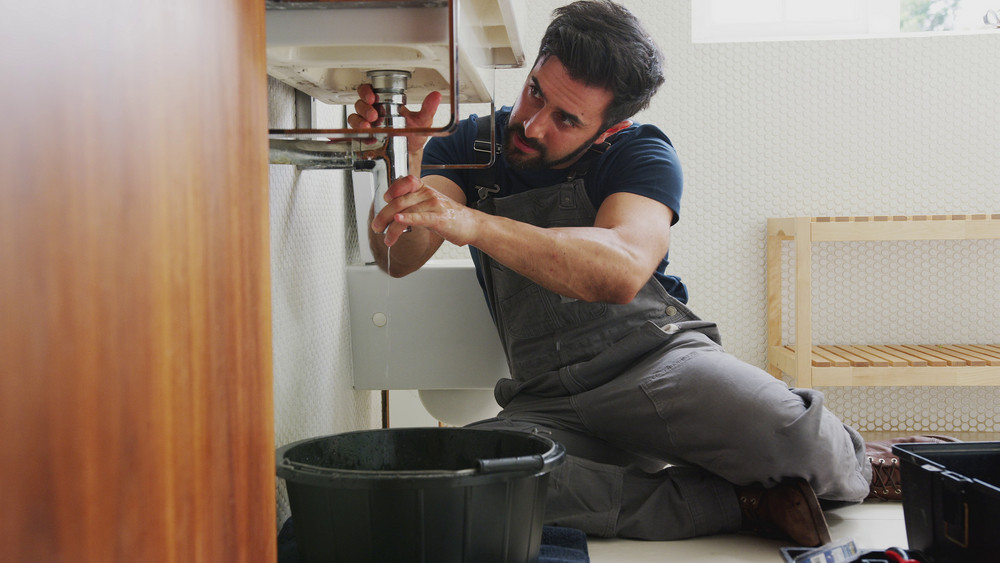
Plumbing problems are among the most frustrating issues homeowners can face. A dripping faucet, clogged drain, or toilet that will not stop running can quickly disrupt everyday routines. While some problems seem minor at first, recognizing common plumbing issues can help you determine when a simple fix may be enough and when professional attention could be necessary.
Leaking Faucets and Slow or Clogged Drains
A dripping faucet may not seem like an urgent concern, but persistent leaks can waste water and become increasingly annoying. The source may be a worn washer, damaged seal, loose component, or another issue within the fixture. If tightening the faucet does not stop the dripping, replacing a worn part may be necessary.
Slow-moving drains are another common household frustration. Water that takes longer than usual to disappear from a sink, shower, or bathtub can indicate a developing blockage. Hair, soap residue, grease, and other debris can accumulate inside pipes over time. A minor clog may respond to basic cleaning, but recurring or stubborn blockages can indicate a deeper problem.
According to This Old House, the plumbing troubles homeowners encounter most often include leaking faucets, clogged or slow drains, running toilets, low water pressure, water heater problems, and garbage disposals that become jammed. Recognizing these six issues can help homeowners pay attention to changes before they become more disruptive.
Running Toilets and Low Water Pressure
A toilet that continues running after it has been flushed can waste water and signal a problem with the toilet’s internal components. A faulty flapper, fill valve, or float may be responsible. Sometimes, the issue can be resolved with a relatively simple replacement. However, if the toilet continues running after basic repairs, a plumber may need to determine what is causing the problem.
Low water pressure can also make ordinary household tasks more difficult. Showers may feel weak, faucets may produce only a small stream, and appliances that rely on water can take longer to fill. The cause is not always obvious. Mineral buildup, damaged pipes, plumbing fixtures, or problems with the home’s water supply can all contribute to reduced pressure.
When a plumbing emergency occurs, homeowners may also have to decide who to call. Houzz reports that 62% of people would rather use a local plumber than a national chain when dealing with an emergency plumbing situation. Having a trusted local professional in mind before a crisis occurs can make it easier to get assistance without spending valuable time searching for options.
Water Heater Issues and Jammed Garbage Disposals
Water heater problems can affect everything from morning showers to washing dishes and doing laundry. Homeowners might notice inconsistent water temperatures, insufficient hot water, unusual noises, or visible leaks around the unit. Some problems can result from sediment buildup or aging components, while others may require more extensive repairs or replacement.
Garbage disposals can create another frustrating plumbing problem when they become jammed. Putting inappropriate items down the disposal, overloading the unit, or allowing food debris to accumulate can contribute to problems. Homeowners should avoid forcing the disposal to operate when it is stuck, particularly if the source of the obstruction is unclear.
Plumbing problems are not limited to individual fixtures, either. Sewer and drain services remain an important part of maintaining residential plumbing systems. Business Market Insights projects that the U.S. sewer and drain cleaning services market will grow at a 6.5% compound annual growth rate from 2023 through 2031. This projected growth reflects the continuing need for services that address drainage and sewer-related problems.
When Should You Call a Professional?
Not every plumbing problem requires immediate professional intervention, but certain warning signs deserve attention. A leak that will not stop, repeated drain blockages, sudden changes in water pressure, sewage odors, or water accumulating where it should not are reasons to investigate further. Ignoring these symptoms can allow a relatively manageable issue to become more expensive or disruptive.
Homeowners should also consider the age and condition of their plumbing system. Older fixtures and pipes may be more susceptible to leaks, corrosion, blockages, and other problems. Regular maintenance can help identify potential concerns and keep plumbing components working properly.
When a problem involves hidden pipes, persistent blockages, significant leaks, or a water heater, professional assistance can provide a safer and more reliable solution. A qualified plumber can identify the underlying cause rather than simply addressing the most visible symptom.
Keep Small Plumbing Problems From Becoming Big Ones
Plumbing issues are an unavoidable part of homeownership, but knowing what to look for can make them easier to manage. Leaking faucets, clogged drains, running toilets, low water pressure, water heater issues, and jammed garbage disposals are all common problems that deserve attention.
Regularly checking fixtures, responding to unusual changes, and knowing when to bring in a professional can help protect your home from more serious plumbing damage. When something does not seem right, addressing it early may save you from a much bigger headache later.