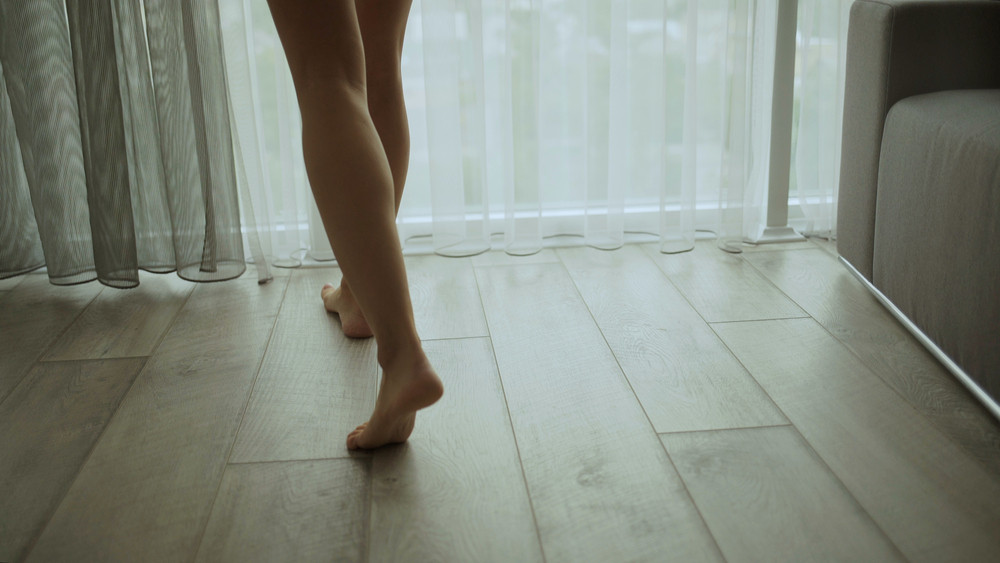
Flooring can influence the look and feel of a home, but some materials offer benefits that extend beyond appearance. Hardwood flooring is a popular choice for homeowners who want a timeless look while also considering durability, maintenance, and long-term property value. Although installing hardwood represents an investment, its potential benefits can make it worth considering as part of a larger home improvement plan.
Hardwood Can Influence Home Value
Home improvements are often evaluated based on how they improve daily life, but homeowners may also think about what those improvements could mean when it is eventually time to sell. Flooring is one feature that can contribute to a home’s overall appeal, particularly when buyers are looking for finishes that combine appearance with durability.
According to USA Today, hardwood flooring has the greatest positive effect on resale value in most cases, with an estimated return on investment of 118%. While an individual home’s return can vary based on location, market conditions, the condition of the flooring, and other factors, the figure illustrates why hardwood can be viewed as more than a purely cosmetic upgrade.
The appearance of natural wood can also complement a wide range of interior styles. Rather than being tied to a particular decorating trend, hardwood can work with traditional, contemporary, rustic, or transitional designs. This flexibility may help homeowners create spaces that remain appealing even as other design elements change.
A Floor Designed to Last
Replacing flooring can be disruptive, so homeowners may prefer materials that do not need to be replaced frequently. Hardwood has a reputation for longevity, and its ability to be maintained and renewed can distinguish it from flooring products that have a more limited usable life.
According to the National Wood Flooring Association, properly maintained hardwood flooring can last for as long as 100 years. That potential lifespan means a well-cared-for hardwood floor could remain part of a home for generations rather than requiring replacement every few years.
Of course, longevity depends on several factors. The type and quality of the wood, installation, household traffic, moisture exposure, cleaning practices, and maintenance can all affect how a floor performs over time. Areas that experience heavy foot traffic may show wear more quickly, while rooms exposed to excessive moisture may require additional consideration.
The ability to address surface wear is another advantage. Instead of automatically replacing a worn floor, homeowners may be able to restore its appearance through professional refinishing.
Refinishing Can Refresh Worn Floors
Even a durable hardwood floor will eventually show signs of everyday use. Scratches, scuffs, dullness, and other surface imperfections can develop as people, pets, and furniture move across the floor. Refinishing can provide a way to refresh solid wood flooring without completely replacing it.
According to This Old House, solid wood floors should generally be refinished every seven to 10 years. The appropriate schedule can vary depending on the amount of traffic, the floor’s condition, and other household factors, so homeowners should evaluate the surface rather than treating a specific timeframe as a strict rule.
Refinishing may involve sanding away the existing finish and applying a new protective coating. The process can restore some of the floor’s original appearance and provide another layer of protection against everyday wear.
Regular maintenance between refinishing projects can also help preserve the floor. Homeowners can follow manufacturer recommendations for cleaning, promptly address spills, and use protective pads under furniture. Keeping dirt and grit from accumulating can also reduce the amount of abrasion the surface experiences.
Hardwood Offers Design Flexibility
One reason hardwood continues to appeal to homeowners is its ability to work with different design preferences. Wood species, stains, plank widths, finishes, and installation patterns can all affect the final appearance, giving homeowners numerous ways to customize a room.
Hardwood can also provide visual continuity when the same or complementary flooring is used across multiple rooms. This can make a home feel more cohesive, particularly in open-concept layouts where flooring is visible from several areas at once.
That versatility can be useful for homeowners who do not want to commit to a highly specific flooring trend. While paint colors, furniture, and decorative accents can change over time, natural wood flooring can serve as a relatively neutral foundation for different styles.
However, homeowners should still consider the practical requirements of hardwood before installation. Some rooms may be more suitable for wood than others, particularly where moisture levels are a concern. Professional guidance can help determine which products and installation methods are appropriate for the home’s conditions.
Is Hardwood Flooring a Smart Home Improvement?
Hardwood flooring can offer more than an immediate visual transformation. Its potential contribution to resale value, long service life, and ability to be refinished make it an option worth considering for homeowners planning a long-term improvement.
It is not necessarily the best flooring choice for every room or every budget. Installation costs, maintenance requirements, household activity, and environmental conditions should all factor into the decision. Comparing different flooring options can help homeowners determine which material best fits their priorities.
For those looking for an improvement that combines style with lasting functionality, hardwood flooring may deserve a closer look. With proper care and periodic maintenance, it can remain an attractive and useful part of a home for many years while potentially contributing value that goes beyond its initial appearance.