Key Takeaways
- Match the trip type and length to the people who are coming aboard.
- Check weather and water conditions, not just the temperature on land.
- Pack for sun, wind, comfort, hydration, and unexpected splashes.
- Listen to the crew, know the safety routine, and avoid rushing.
- Build extra time into the day so the group can relax from start to finish.
Table Of Contents
- Choose The Right Kind Of Trip
- Check Weather And Water Conditions
- Plan For Every Person On Board
- Pack A Smart Day-On-The-Water Kit
- Make Safety Part Of The Routine
- Build A Simple Day Plan
- Choose An Experienced Charter Provider
- Common Questions
- Conclusion
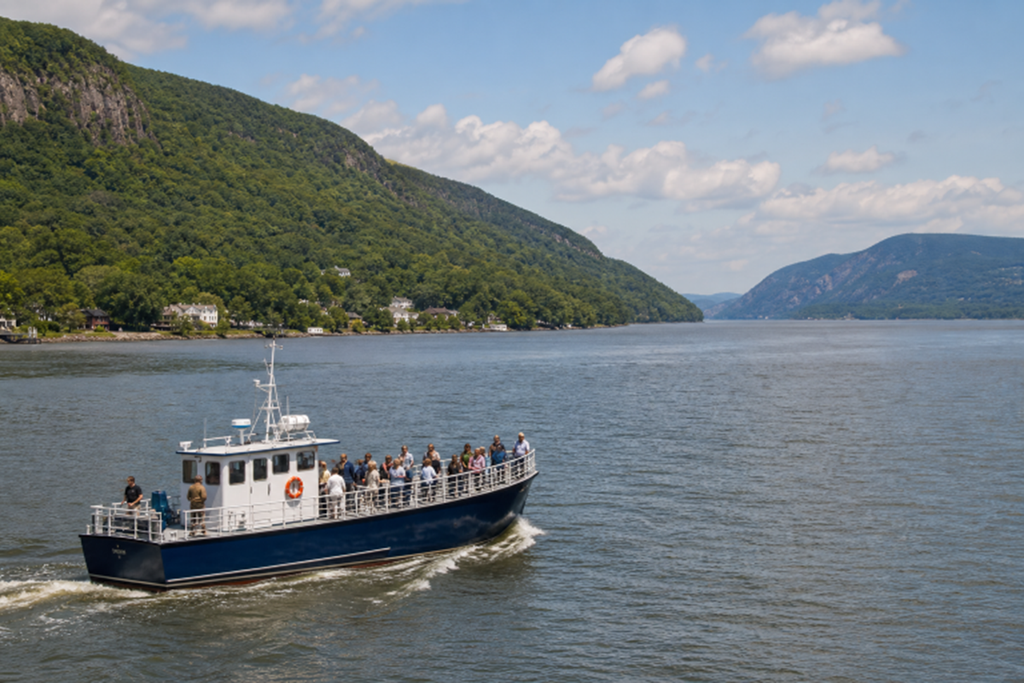
A well-planned boat outing gives everyone more time to enjoy the scenery, conversation, fishing, or celebration, rather than worrying about what comes next. When researching boat tours New York, Captain Morgan Charters & Marine Services is a useful local example to consider. The company offers fishing charters, boat tours, and river cruises serving Peekskill, New York, and the Hudson Highlands, using a fully equipped vessel with amenities that support comfortable group outings. Its captain’s long on-water experience also highlights why local knowledge, vessel readiness, and clear trip planning matter before passengers leave the dock. Whether you are arranging a quiet sightseeing cruise, a family fishing trip, or a private day with friends, the best plan is realistic about the group’s needs and flexible enough for changing conditions. A few simple decisions made before departure can make the experience safer, calmer, and far more enjoyable.
Choose The Right Kind Of Trip
Start by deciding what the group wants most from the day. A scenic river cruise may be ideal for mixed ages, relaxed conversation, and guests who have never been on a boat. A fishing trip is more active and can be especially rewarding for smaller groups that want to participate. Private celebrations may need room for food, photos, and seating, while a short cruise can suit visitors with limited time.
Trip length affects nearly every other decision. Longer outings require more water, snacks, layers, restroom planning, and attention to motion comfort. Before reserving, ask about passenger limits, seating, shade, cabin space, restroom access, accessibility, and what is included.
Check Weather And Water Conditions
A bright forecast does not automatically mean calm water. Wind can create choppy conditions, and a warm shore can feel much cooler once the boat is moving. Review the forecast close to departure, paying attention to wind speed, rain, thunderstorms, visibility, heat, and the expected timing of any changes. Check official marine weather warnings rather than relying only on a general weather app. Marine advisories and warnings can address hazards such as strong winds, fog, rough water, and fast-moving thunderstorms. The captain should make the final call based on the vessel, route, and conditions. If the weather is poor, rescheduling is often the best way to protect the experience.
Plan For Every Person On Board
Ask guests a few practical questions before the trip. Find out whether anyone has mobility limitations, food allergies, medication needs, a fear of water, or a history of motion sickness. Parents should confirm what children need for comfort and whether appropriately sized life jackets will be available. Non-swimmers can still have a wonderful time, but they should understand the safety expectations before boarding. Choose a meeting point and arrival time that lets everyone board without stress. Rushing at the dock can lead to forgotten gear, missed instructions, and unnecessary anxiety. For active fishing outings, keeping the group smaller can also provide more room to move safely and avoid tangled lines.
Pack A Smart Day-On-The-Water Kit
Pack light, but pack deliberately. The goal is to stay comfortable without bringing loose items that clutter walkways or blow overboard.
- Light layers and a windbreaker for changing temperatures.
- Non-slip shoes with secure straps or closed toes.
- Sunscreen, polarized sunglasses, and a hat with a chin strap.
- Refillable water bottles, simple snacks, and any necessary medication.
- Motion-sickness supplies if a passenger may need them.
- A dry bag for phones, wallets, spare clothing, and valuables.
- A small towel and an extra shirt for splashes or unexpected rain.
Make Safety Part Of The Routine
Every passenger should listen closely to the safety briefing, even if they have been boating before. Take note of life jackets, exits, first-aid supplies, fire equipment, and the crew’s instructions for moving around the vessel. Hold rails when needed, keep clear of docking areas, and avoid standing near fishing gear or moving lines unless directed. Alcohol can impair balance, judgment, and reaction time, particularly on a moving boat. Choose a responsible approach that keeps everyone steady, aware, and able to follow directions quickly.
Build A Simple Day Plan
- Before departure: Confirm the meeting location, forecast, guest list, and packing list.
- At the dock: Arrive early, stow personal items, use the restroom if available, and ask questions.
- During the trip: Balance activities with water breaks, shade, snacks, and quiet time.
- At the midway point: Check in on hydration, motion sickness, sun exposure, and group energy.
- Before returning: Secure loose belongings and give the crew room to handle docking safely.
Choose An Experienced Charter Provider
Photos and short listings are helpful, but direct questions reveal more. Ask about the captain’s experience, the vessel’s condition, passenger limits, weather policies, safety equipment, departure location, and what the price includes. A provider who knows the local waterway can often recommend better departure times, routes, and trip formats based on tides, traffic, seasonal activity, and the group’s comfort level.
Common Questions
What Should A First-Time Passenger Ask Before Boarding?
- How long is the trip, and what is included?
- What happens if weather conditions change?
- Are drinks, food, fishing equipment, or life jackets provided?
- Is there shaded seating, a restroom, or cabin space?
- What clothing and footwear are recommended?
What Is The Best Clothing For A Boat Trip?
Wear light layers, secure shoes, and sun protection. A windbreaker is valuable even on a hot day because wind and spray can make the air feel much cooler on the water.
How Can Passengers Reduce Motion Sickness?
Eat a light meal beforehand, stay hydrated, look toward the horizon, and spend time in fresh air. Anyone considering medication should speak with a medical professional before the outing.
Should Guests Bring Their Own Life Jackets?
Most charter providers supply approved personal flotation devices, but ask about sizing for children and when life jackets must be worn.
Conclusion
A memorable day on the water does not need a complicated itinerary. Choose the right trip for your group, prepare for real weather and water conditions, pack thoughtfully, and allow everyone enough time to settle in before departure. Bring essentials such as sunscreen, drinking water, weather-appropriate clothing, and any personal items needed for comfort throughout the trip. Listening to the crew’s safety instructions and planning for changing conditions can also make the experience smoother. Whether the goal is sightseeing, relaxing, fishing, or celebrating a special occasion, simple preparation helps everyone spend less time worrying and more time enjoying the scenery. When comfort, flexibility, and safety are part of the plan from the beginning, the entire group can focus on the views, create lasting memories, and enjoy every moment on the water.