Table of Contents
- Understanding Diagnostic Errors
- Causes of Diagnostic Errors
- Immediate Impacts on Patient Care
- Long-term Consequences for Patients
- Preventative Strategies and Systemic Changes
- Legal and Ethical Considerations
- Conclusion
Diagnostic errors, which include missed, delayed, or incorrect diagnoses, are a persistent challenge in healthcare and can have lasting implications for patients and medical professionals alike. These errors not only affect the quality of care but also influence a patient’s health and life trajectory. The ripple effects of such mistakes can be profound, reinforcing the importance of robust systems designed to minimize risk. When misdiagnosis or diagnostic delays occur, patients and families are often forced to seek legal help from specialized professionals such as Chance, Forlines, Carter & King, PC | Medical Malpractice Law Firm.
Each year, millions of Americans are affected by diagnostic errors. These errors are not limited to one field of medicine; they can happen in primary care, emergency departments, and specialty clinics. Many cases are never formally reported, meaning the true scope of their impact on patient outcomes is likely underestimated. In addition to causing direct harm, diagnostic errors can erode trust in the healthcare system. Patients who experience these failures may delay seeking care in the future or face unnecessary treatments, further complicating their health journey. This issue is increasingly recognized by policymakers and healthcare organizations dedicated to improving patient safety. Research indicates that a significant percentage of medical malpractice claims involve diagnostic errors, underscoring the need for preventive measures and clear lines of accountability. Understanding the causes of diagnostic errors, their broader impact, and potential solutions is essential for clinicians and patients alike.
Understanding Diagnostic Errors
Diagnostic errors occur when a patient’s illness or condition is not correctly and promptly identified. These errors are classified as “missed diagnosis,” where a condition is never identified; “delayed diagnosis,” where the correct diagnosis comes too late; or “incorrect diagnosis,” where the original conclusion turns out to be wrong. According to the Centers for Disease Control and Prevention (CDC), diagnostic errors are a major public health challenge, contributing to about one-third of all medical errors.
Causes of Diagnostic Errors
The underlying causes of diagnostic errors are multifaceted. Cognitive biases play a major role; clinicians might anchor to their initial impression or be influenced by previous experiences, leading to faulty reasoning. Systemic factors are equally significant, such as limited access to patient history, time constraints, and inadequate communication between care teams. Insufficient use of decision-support tools and overreliance on incomplete data or diagnostic tests further increase the risk of error.
Immediate Impacts on Patient Care
The short-term consequences for patients affected by diagnostic errors can be severe. For example, a missed diagnosis in an appendicitis case can lead to a ruptured appendix and life-threatening infection. Conversely, misdiagnosing a benign condition as malignant can cause unnecessary surgery, anxiety, and distress. These errors often result in prolonged hospital stays, complications, and additional procedures that might have been avoided.
Long-term Consequences for Patients
Beyond the immediate aftermath, diagnostic errors can have lasting or even permanent effects on patients’ health and wellbeing. Individuals may suffer from chronic pain, disability, or progressive illnesses that become far more difficult to treat after a delayed or missed diagnosis. In some cases, families are left grappling with the implications of a wrongful death, which can spark years of emotional and financial hardship.
Preventative Strategies and Systemic Changes
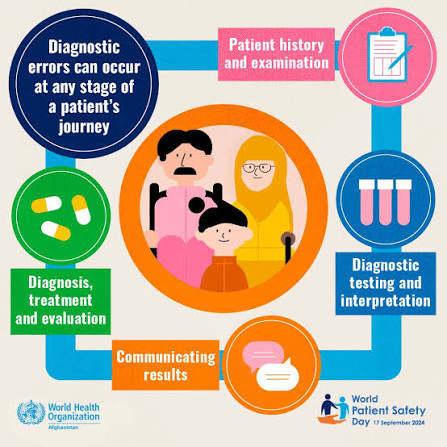
Reducing the incidence of diagnostic errors requires a multipronged approach. Hospitals and clinics are increasingly adopting evidence-based protocols, advanced decision-support systems, and regular training focused on cognitive biases. Open communication among medical teams, timely use of technology, and patient education also play vital roles. For example, initiatives like diagnostic timeout, a deliberate pause to reconfirm findings, have shown promise in reducing errors. Furthermore, empowering patients to ask questions and share observations can help clinicians avoid critical mistakes.
Legal and Ethical Considerations
Healthcare professionals and institutions are held to high standards surrounding the accurate diagnosis and treatment of patients. When diagnostic errors occur, ethical obligations require transparency and a process of disclosure to affected patients and families. Legal consequences can include compensation for harm and punitive action if negligence is proven. Many families choose to consult with a knowledgeable attorney to understand their rights. Ongoing efforts to reform medical liability systems seek to balance accountability with the encouragement of open error reporting and learning within the healthcare industry.
Conclusion
Diagnostic errors represent a serious, yet often invisible threat to patient safety and outcomes. Their impact reaches beyond the clinic, shaping personal health journeys, trust in healthcare, and the evolution of medical practice. Addressing root causes while supporting open dialogue and continuous learning is key to limiting the consequences of diagnostic mistakes and improving the health and wellbeing of patients everywhere. Improving diagnostic accuracy requires stronger communication between patients and healthcare providers, as well as the use of updated diagnostic tools and evidence-based guidelines. Encouraging second opinions in complex cases can also reduce the risk of missed or incorrect diagnoses. Healthcare systems must prioritize ongoing training, quality checks, and transparency when errors occur to build trust and improve outcomes. By fostering a culture of accountability and continuous improvement, the medical field can reduce preventable harm and ensure safer, more reliable patient care over time.