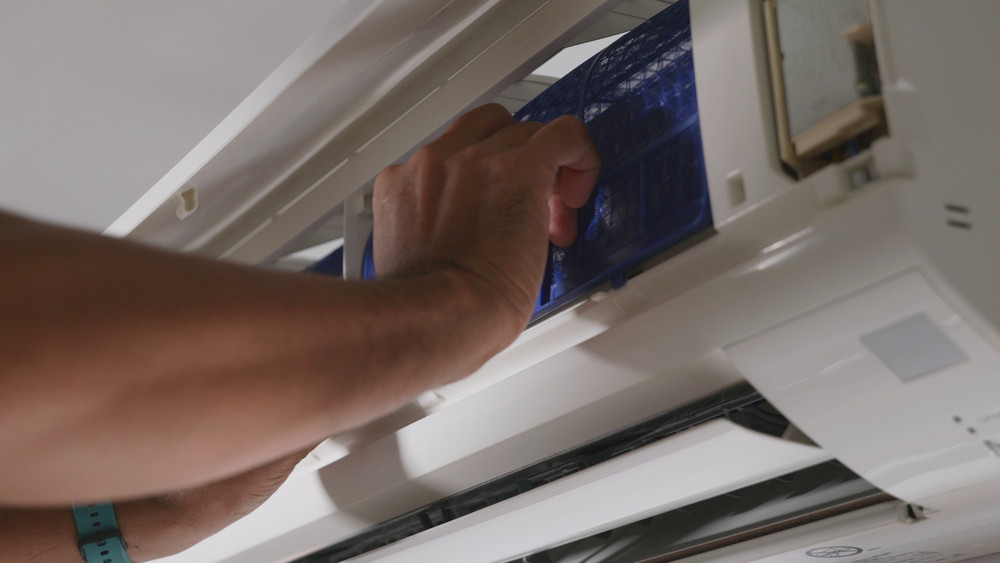
Your HVAC system works hard year-round to keep your home comfortable, but one small component has a major impact on its performance: the air filter. While filters may seem insignificant compared to larger system parts, they play a critical role in maintaining airflow, protecting equipment, and supporting energy efficiency. When filters become clogged with dust, dirt, and debris, the entire HVAC system must work harder to circulate air throughout the home. Over time, this added strain can increase energy costs, reduce comfort, and shorten the lifespan of valuable equipment.
Dirty Filters Restrict Airflow and Increase Energy Use
The primary purpose of an HVAC filter is to capture airborne particles before they enter sensitive system components. As the filter collects dust, pet dander, pollen, and other contaminants, it gradually becomes more restrictive. When airflow is blocked, the system has to work harder to push air through the ducts and into living spaces.
This increased workload can cause the blower motor to operate longer and consume more energy. In many cases, homeowners notice higher utility bills without realizing that a clogged filter may be contributing to the problem. Restricted airflow can also make it more difficult to maintain consistent indoor temperatures, leading to hot and cold spots throughout the home.
Many homeowners underestimate how various factors influence HVAC efficiency. According to WorkYard, 86% of homeowners have only a limited understanding of HVAC system components. Because filters are often overlooked, they may not receive the attention they need. Something as simple as replacing a dirty filter regularly can improve airflow, reduce energy consumption, and help the system operate more effectively.
Dirty Filters Can Magnify Existing Efficiency Problems
A clogged filter does not just create airflow issues on its own — it can also worsen other problems within the HVAC system. When airflow is restricted, components such as the blower motor, evaporator coil, and compressor may experience additional stress. This can reduce overall efficiency and increase the likelihood of mechanical issues.
In some homes, efficiency challenges may already exist due to factors such as duct leaks, poor insulation, or improper installation. A dirty filter can compound these issues by making the system work even harder to deliver conditioned air throughout the house.
According to Energy Star, HVAC equipment that is not installed correctly can lose up to 30% of its efficiency. When installation-related inefficiencies are combined with clogged filters, homeowners may experience significantly higher operating costs and reduced comfort. The system may run longer cycles, struggle to reach thermostat settings, and place unnecessary wear on important components.
Dirty Filters Can Shorten Equipment Lifespan
One of the most costly consequences of neglected filters is the effect they can have on the lifespan of an HVAC system. When airflow is restricted for extended periods, system components experience greater strain. Motors work harder, coils may become dirty more quickly, and the overall system is subjected to additional wear and tear.
Over time, this extra stress can contribute to breakdowns and premature equipment failure. What begins as a simple maintenance oversight can eventually lead to expensive repairs or even early replacement of the entire system.
According to This Old House, a properly maintained HVAC system can often remain functional for 15 to 20 years. Regular filter replacement is one of the simplest maintenance tasks homeowners can perform to help achieve that lifespan. Clean filters allow air to move freely through the system, reducing strain on critical components and supporting long-term reliability.
Dirty air filters may seem like a minor issue, but they can have a major impact on HVAC efficiency, energy costs, and equipment longevity. Restricted airflow forces the system to work harder, magnifies existing performance issues, and increases wear on critical components. By replacing filters regularly and keeping up with routine maintenance, homeowners can improve efficiency, lower operating costs, and help their HVAC systems perform reliably for years to come. Small maintenance habits today can prevent much larger expenses in the future.