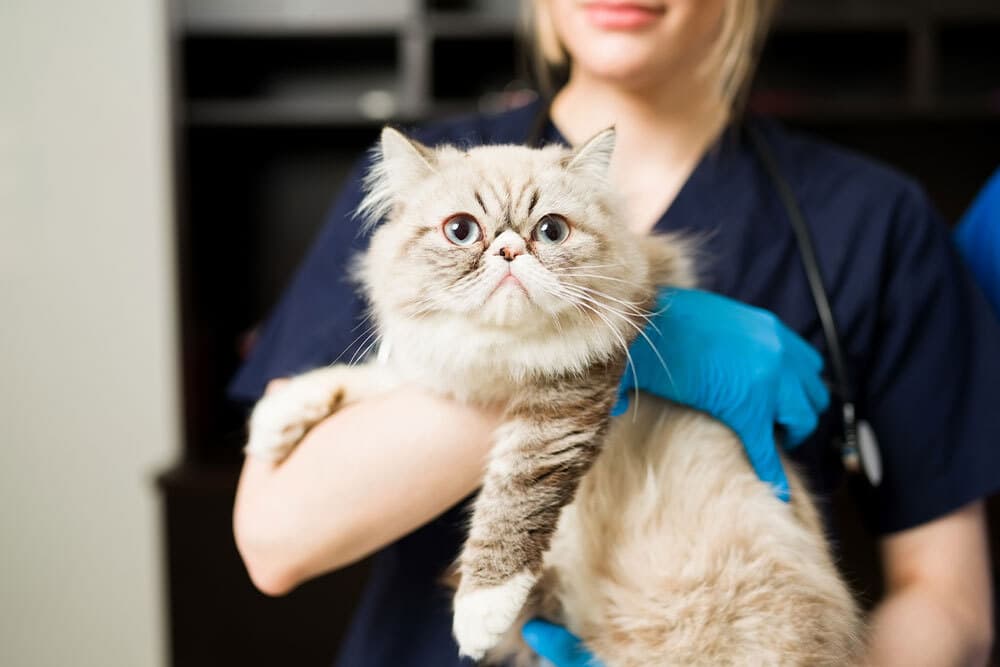
Your pet feels your stress long before a car ride or a clinic visit. The carrier comes out. The leash tightens. Your pet’s heart races. Yours does too. Traditional vet visits can turn simple care into panic for both of you. Now you can choose care that meets your pet on their own turf. Mobile veterinary services in Terra Haute, IN bring the vet to your door. You avoid traffic. Your pet avoids a crowded lobby and harsh sounds. Instead, your pet stays on the couch, on the bed, or on their favorite rug. You see how your pet behaves in a familiar place. You can ask hard questions without rushing. The visit feels like a calm house call. The care stays the same. The setting changes everything.
Why Pets Feel Less Fear At Home
Pets read your body. They watch your hands. They listen for sharp sounds. A trip to a clinic often brings three things at once. Strange smells. Loud noises. Fast movement. That mix can push even a calm pet into alarm.
At home, your pet knows the floor, the light, and the voices. You control the sound from the TV and the number of people in the room. That steady setting lowers tension. Your pet may still feel unsure during an exam. Yet the fear often drops from a shout to a whisper.
Research backs this. The American Veterinary Medical Association explains that fear and stress can hide illness and change lab results. Reducing fear supports better care and clearer answers.
How A Mobile Visit Usually Works
You set an appointment time. You share your pet’s age, past issues, and any current problems. Then the visit follows three clear steps.
- Arrival and setup at your home
- Calm exam and needed tests
- Care plan, medicine, and follow-up
First, the team parks near your home. They may bring a small exam table or use a sturdy surface in your house. Next, they greet your pet in a slow, steady way. Treats, toys, and your own voice help your pet link the visitor with safety.
Then the vet checks weight, heart, lungs, ears, eyes, skin, and joints. If your pet needs a vaccine or lab work, the team prepares the space so your pet feels as safe as possible. Last, you talk through the findings and next steps.
What Mobile Veterinarians Can Do
Mobile veterinarians provide many of the same services as a clinic. Some use an exam room inside a van. Others bring equipment into your home. Core services often include three main groups.
- Routine and preventive care
- Medical problem visits
- End of life support
Routine care may cover exams, vaccines, parasite checks, and nutrition talks. Problem visits may focus on skin issues, stomach upset, pain, or behavior changes. Many mobile vets also offer peaceful euthanasia at home. That option can spare both you and your pet from a cold room and harsh lights during a hard goodbye.
Some services, like complex surgery or imaging, need a full clinic. A mobile vet can still help. They can triage, give pain control, and guide you to the right hospital if needed.
Mobile Care Compared To Clinic Visits
Mobile and clinic care both aim for safe and effective treatment. Yet the path feels different. The table below shows a simple comparison.
| Feature | Mobile Veterinarian | Traditional Clinic |
|---|---|---|
| Travel for you and your pet | No travel. Care at home. | Drive to clinic. Wait in the lobby. |
| Stress triggers for pets | Fewer new smells and sounds. | New people, animals, and noise. |
| Time with veterinarian | Often longer, one-on-one visits. | Shorter visits with more walk ins. |
| Best for | Fearful pets, large dogs, multi-pet homes. | Urgent surgery, imaging, intensive care. |
| Cost factors | Home visit fee plus care. | Clinic visit fee plus care. |
| End of life care | Quiet, familiar setting at home. | Clinical setting away from home. |
Benefits For You And Your Family
Mobile care helps your pet. It also helps you. You do not juggle carriers, kids, and keys in a parking lot. You do not sit in a waiting room while your pet cries in a back room.
At home, you can include family members in the visit. Children can ask questions and learn how to care for a pet. Older adults with limited mobility can stay safe and still take part.
The Centers for Disease Control and Prevention notes that healthy pets support healthy people. Regular vaccines, flea and tick control, and clean handling protect your household. Mobile visits make that routine care easier to keep.
How To Prepare For A Mobile Visit
Good preparation keeps the visit smooth. You can focus on your pet instead of scrambling for supplies. Use three simple steps.
- Pick a quiet room and clear a work space.
- Gather records, medicine, and questions.
- Plan safe handling for your pet.
First, choose a calm space away from loud music or heavy foot traffic. A living room, bedroom, or quiet kitchen can all work. Clear a table or floor spot so the team can move around your pet.
Next, gather past records, current medicine, and any supplements. Write your top questions. Include changes in eating, drinking, bathroom habits, sleep, and play.
Finally, plan how to keep your pet close when the team arrives. For cats, close doors to other rooms. For dogs, have a leash ready. For small pets, use a secure carrier that stays open once the pet is inside.
When Mobile Care May Not Be Right
Some situations need a full clinic or emergency hospital. Sudden severe trouble breathing, uncontrolled bleeding, seizures, or major trauma all call for fast in-person emergency care. In those moments, do not wait for a home visit. Contact an emergency clinic right away.
Many mobile veterinarians share clear guidance on what they can manage at home. You can ask for that list before an urgent issue arises. That way, you know when to call your mobile vet and when to go straight to an emergency hospital.
Choosing A Mobile Veterinarian
When you look for a mobile veterinarian, focus on three things.
- License and experience
- Services and limits
- Communication style
Confirm that the veterinarian holds a current state license. Ask about years in practice and any extra training. Review which services they offer and which ones they refer to a clinic.
Then pay attention to how they talk to you. Clear, steady, and respectful communication builds trust. That trust matters when your pet feels sick or scared. A strong partnership makes every visit more effective and less painful for both you and your pet.