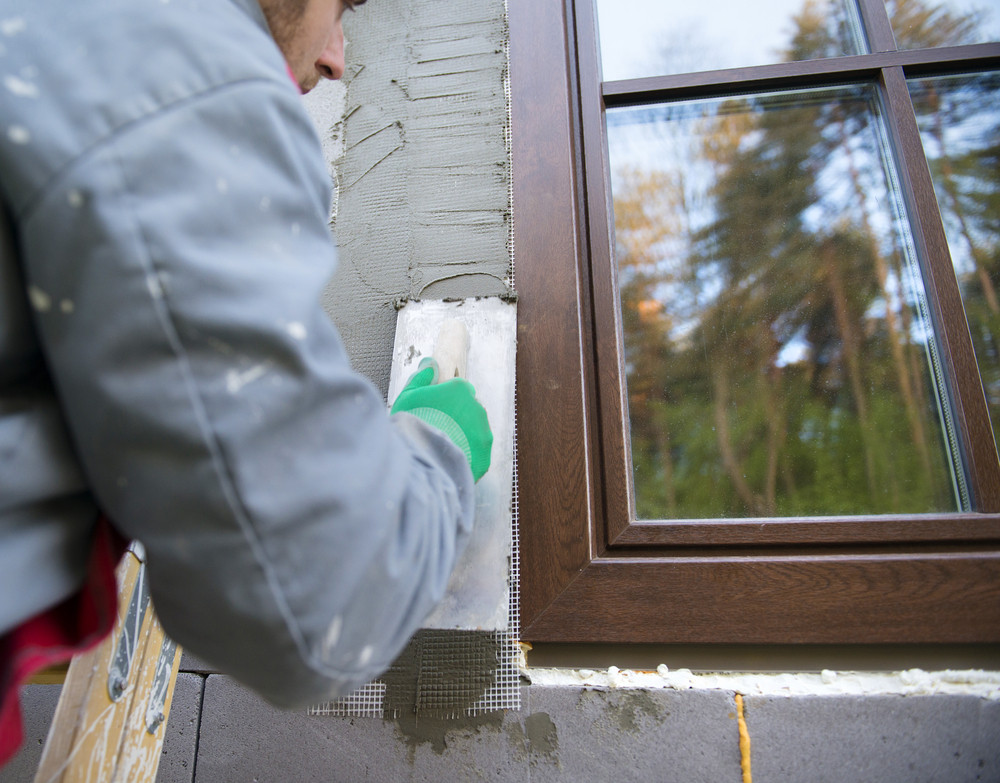
In today’s world, enhancing our homes to become more energy-efficient is not only beneficial for the environment but also for our wallets. Combining upgrades to windows, insulation, and roofing can significantly impact a home’s ability to conserve energy, reduce utility costs, and provide a more comfortable living environment. This article explores how these elements can work together harmoniously to create an efficient and sustainable home.
Enhancing Roofing Systems For Improved Energy Efficiency
A well-maintained roof plays a pivotal role in any energy-efficient home. Storm damage is a prime reason for roof replacements, with approximately 33% of roofs being replaced each year due to such incidents, as highlighted by RubyHome. By upgrading to more durable and high-quality materials, homeowners can ensure their roofs not only withstand extreme weather but also aid in better energy conservation.
Moreover, modern roofing technologies offer enhanced reflectivity, helping to deflect sunlight and reduce the amount of heat absorbed into the home. This improvement can lower cooling costs significantly during the hot summer months. Additionally, opting for roofing that includes proper ventilation can further aid in maintaining a consistent indoor temperature, thus enhancing the overall energy efficiency of the home.
By focusing on these upgrades, homeowners can transform their roofs into a proactive energy-saving component of their homes. Implementing energy-efficient roofing materials can also contribute to the property’s value, making it a wise investment. Overall, a combination of strategy and technology can significantly bolster a home’s energy efficiency via roofing enhancements.
Upgrading Windows To Reduce Air Leaks And Heat Transfer
Windows are often an overlooked aspect of home energy efficiency, yet they are crucial in minimizing air leaks and heat transfer. As noted by This Old House, fitting new glass in a window can take around half an hour, underscoring the ease of making this impactful upgrade. Installing high-performance windows that feature multiple panes and low-emissivity coatings can drastically reduce unwanted heat exchange.
These window upgrades help in keeping the cool air in during summers and the warmth in during winters, thereby contributing to more stable indoor temperatures. Sealing any existing gaps around windows further reduces energy loss and can drastically cut down on heating and cooling costs. By focusing on these areas, homeowners create a more efficient barrier against external temperature fluctuations.
Opting for window upgrades not only benefits energy savings but also adds aesthetic value to the home. They invite natural light in, creating a brighter and more inviting living space without compromising on energy efficiency. As a result, these improvements make a powerful case for sustainable upgrades in home design.
Improving Insulation To Maintain Consistent Indoor Temperatures
Insulation is a critical component in the quest for a more energy-efficient home, as it directly impacts heating and cooling requirements. When effectively installed, insulation acts as a buffer, keeping the indoor environment stable regardless of the weather outside. It’s worth noting that insulation reduces carbon dioxide by 780 million tons each year, according to HomeGrail.com, highlighting its environmental benefits.
By improving insulation in key areas such as the attic, walls, and floors, homeowners can drastically reduce energy waste. This not only conserves energy but also equates to significant savings on utility bills. Furthermore, quality insulation helps in noise reduction, adding another layer of comfort to home living.
The advantages of enhanced insulation extend beyond financial savings and increased comfort. It also contributes to a healthier indoor environment by minimizing the infiltration of allergens and pollutants. Investing in improved insulation is an invaluable step towards achieving greater energy efficiency and sustainability in the home.
In conclusion, the synergy achieved by upgrading roofing, windows, and insulation can vastly improve a home’s energy efficiency. Each component plays a unique and pivotal role in reducing energy consumption and enhancing comfort levels. By investing in these updates, homeowners not only contribute to a healthier planet but also ensure lower utility bills and increased property value, making it a win-win situation for all involved.