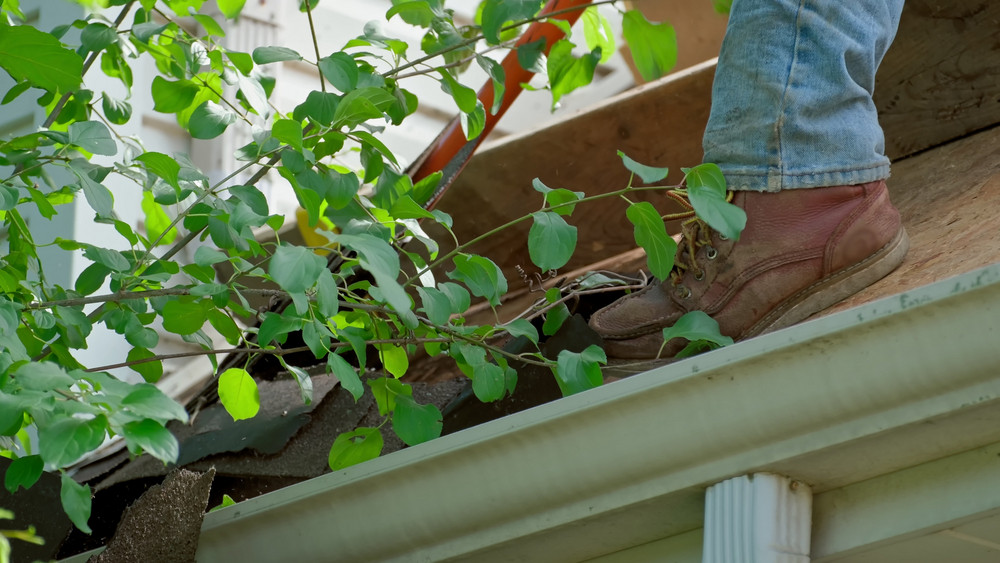
Severe storms can leave homeowners facing a difficult decision about their roofs. High winds, heavy rain, hail, and falling debris can damage shingles, flashing, and other roofing components. Once the storm passes, many homeowners wonder whether a simple repair will be enough or if a full roof replacement is the better long term solution.
Determining whether to repair or replace a storm damaged roof depends on several factors. The extent of the damage, the age of the roof, and the condition of the roofing materials all play important roles in the decision. By understanding these factors and consulting with a professional roofing contractor, homeowners can choose the option that best protects their property and budget.
Evaluate the Extent of the Storm Damage
The first step in deciding between repair and replacement is evaluating how much damage the storm caused. Minor issues such as a few missing shingles or loose flashing can often be repaired quickly without affecting the rest of the roof.
Storm damage that affects only a small section of the roof typically makes repair the most practical solution. Roofing professionals can replace damaged shingles, reseal flashing, or repair small leaks to restore the roof’s protective barrier.
However, if large portions of the roof were affected by hail, high winds, or debris impacts, the situation may require more extensive work. When shingles are lifted across wide areas or structural components are compromised, replacing the roof may be necessary to ensure long term protection.
A professional inspection is the most reliable way to determine the full extent of storm damage.
Consider the Age of the Roof
The age of your roof plays a major role in deciding whether to repair or replace it. If a roof is relatively new and the damage is limited, repairing the affected areas often makes sense.
On the other hand, an older roof that has already experienced years of wear may not benefit as much from repairs. Storm damage may simply accelerate problems that were already developing due to aging materials.
In these cases, investing in a full replacement may provide better long term value. Instead of repeatedly repairing aging shingles, homeowners can install a new roofing system designed to last for decades.
Roof replacement is a common project for homeowners. According to RubyHome, 5 million new roofs are installed each year. This number reflects how frequently homeowners upgrade their roofing systems to maintain protection and property value.
Assess the Cost Differences Between Repairs and Replacement
Budget considerations are another important factor when deciding between repair and replacement. In many cases, repairing storm damage is far less expensive than replacing the entire roof.
Roof repair services represent a significant part of the home improvement industry. According to Gitnux, roofing repair is a $47 billion industry in the United States. This large market exists because many homeowners choose repairs when damage is limited and the roof remains structurally sound.
Repairs can address specific issues such as missing shingles, cracked flashing, or small leaks. These targeted fixes often restore the roof’s performance without the higher cost of a full replacement.
However, if damage is widespread or repairs would need to be repeated frequently, replacing the roof may ultimately be the more cost effective solution.
Understand How Long Roof Repairs Typically Take
Another advantage of repairing a storm damaged roof is the speed of the process. When damage is minor and confined to a small area, professional contractors can often complete repairs quickly.
According to HomeGuide, most roof repairs are done in 30 minutes to a full day. This relatively short timeframe makes repairs a convenient option when homeowners need fast solutions after a storm.
Quick repairs can restore the roof’s ability to shed water and protect the interior of the home. Addressing storm damage promptly also helps prevent small issues from developing into larger structural problems.
However, if repairs become complex due to widespread damage, the process may take longer and approach the scope of a replacement project.
Look for Signs That Replacement May Be Necessary
While repairs can solve many storm related roofing issues, certain warning signs indicate that replacement may be the better choice. If the roof has multiple leaks, widespread shingle loss, or structural damage from fallen debris, repairs alone may not provide adequate protection.
Another factor to consider is repeated storm damage. If your roof has already undergone several repairs in recent years, it may no longer provide reliable protection during severe weather.
Extensive granule loss, curling shingles, and weakened flashing can also signal that roofing materials are reaching the end of their lifespan. In these situations, replacing the roof ensures that the entire system is restored rather than continuing to patch aging materials.
Consult a Professional Roofing Contractor
One of the most important steps in deciding between repair and replacement is consulting with a professional roofing contractor. Roofing experts have the experience and training needed to evaluate storm damage accurately.
During an inspection, contractors assess the condition of shingles, underlayment, flashing, and ventilation systems. They also identify hidden damage that homeowners might not notice from the ground.
A contractor can provide recommendations based on the severity of the damage and the overall condition of the roof. Their evaluation helps homeowners understand whether repairs will provide long term reliability or if replacement is the better investment.
Professional guidance ensures that homeowners make informed decisions that protect both their property and their finances.
Severe storms can create uncertainty for homeowners when it comes to roofing decisions. Determining whether to repair or replace a storm damaged roof depends on the extent of the damage, the age of the roofing system, and the overall condition of the materials. Minor damage can often be repaired quickly and affordably, while widespread issues may require full replacement to ensure lasting protection. With millions of new roofs installed each year and a large roofing repair industry supporting homeowners across the country, professional contractors play an essential role in helping homeowners restore their roofs after storms. By carefully evaluating the situation and seeking expert advice, homeowners can choose the solution that best protects their homes for years to come.