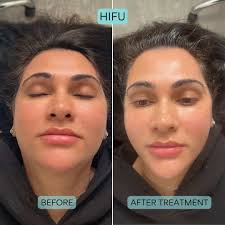
High-Intensity Focused Ultrasound, commonly known as HIFU, has become one of the most talked-about non-invasive cosmetic treatments in recent years. People looking for tighter, firmer skin without surgery are increasingly turning to this advanced procedure. If you are considering it, understanding HIFU treatment before and after results is essential to set realistic expectations and make an informed decision.
This comprehensive guide explains everything you need to know—from how HIFU works to what your skin looks like before and after treatment, including timelines, benefits, and practical tips.
What Is HIFU Treatment?
HIFU (High-Intensity Focused Ultrasound) is a non-surgical cosmetic procedure designed to lift, tighten, and rejuvenate the skin. It uses ultrasound energy to penetrate deep into the skin layers, stimulating collagen production without damaging the surface.
Unlike traditional facelifts, HIFU does not require incisions, anesthesia, or downtime. It is commonly used for:
- Face lifting
- Jawline contouring
- Neck tightening
- Reducing wrinkles
- Improving skin elasticity
How HIFU Works on the Skin
HIFU technology targets the SMAS layer (Superficial Muscular Aponeurotic System)—the same layer addressed in surgical facelifts. The ultrasound energy heats this layer, triggering the body’s natural healing response.
This leads to:
- Collagen regeneration
- Skin tightening
- Gradual lifting effect
The results are not immediate but improve over time as collagen builds.
HIFU Treatment Before: What to Expect
Before undergoing HIFU treatment, your skin condition plays a major role in the final outcome. Here’s what typically characterizes the “before” stage:
1. Common Skin Concerns Before HIFU
People usually opt for HIFU when they notice:
- Sagging skin around cheeks or jawline
- Fine lines and wrinkles
- Loose neck skin
- Drooping eyebrows
- Loss of skin elasticity
2. Skin Assessment
Before treatment, a professional evaluates:
- Skin laxity level
- Age and collagen condition
- Target areas (face, neck, body)
- Medical history
This helps determine whether HIFU is suitable and how many sessions you may need.
3. Pre-Treatment Preparation
Minimal preparation is required, but some common steps include:
- Avoiding alcohol 24 hours before treatment
- Keeping skin clean and makeup-free
- Staying hydrated
During the HIFU Procedure
The treatment usually takes 30 to 90 minutes, depending on the area being treated.
What Happens During the Session?
- A gel is applied to the skin
- A handheld device delivers ultrasound energy
- You may feel mild heat or tingling sensations
Is It Painful?
Pain levels vary, but most people describe it as:
- Mild discomfort
- Tingling or prickling sensation
No anesthesia is typically required.
HIFU Treatment After: Immediate Results
Right after the procedure, you may notice subtle changes.
Immediate Effects
- Slight skin tightening
- Mild redness (temporary)
- Minimal swelling
These effects usually disappear within a few hours.
HIFU Before and After: Timeline of Results
Understanding the timeline is crucial when evaluating HIFU before and after transformations.
Week 1–2
- Skin may feel firmer
- No dramatic visible change yet
- Collagen production begins internally
Week 4–6
- Noticeable skin tightening
- Improved texture and tone
- Fine lines start to soften
Month 2–3
- Visible lifting effect
- Jawline becomes more defined
- Wrinkles reduce significantly
Month 3–6 (Peak Results)
- Maximum collagen regeneration
- Firmer, youthful skin
- Long-lasting tightening effect
HIFU Before and After: Realistic Results
It’s important to understand that HIFU delivers natural-looking results, not dramatic overnight changes like surgery.
Typical Before and After Improvements
Before:
- Loose, sagging skin
- Wrinkles and fine lines
- Lack of facial definition
After:
- Tighter, lifted skin
- Reduced wrinkles
- Enhanced jawline and contours
The changes are subtle but noticeable, especially over time.
Key Benefits of HIFU Treatment
1. Non-Invasive Procedure
No cuts, no scars, and no downtime make it highly appealing.
2. Natural Results
Gradual improvement ensures your skin looks naturally youthful.
3. Long-Lasting Effects
Results can last 12–18 months, depending on skin condition.
4. Quick Sessions
Most treatments are completed within an hour.
5. Minimal Side Effects
Compared to surgical options, side effects are very limited.
HIFU Before and After: Who Is the Ideal Candidate?
HIFU works best for individuals who:
- Are aged between 30–60
- Have mild to moderate skin laxity
- Want non-surgical lifting
- Prefer gradual, natural results
It may not be ideal for:
- Severe sagging skin
- Very thin or highly damaged skin
HIFU vs Other Skin Tightening Treatments
HIFU vs Laser Treatments
- HIFU targets deeper layers
- Laser focuses on surface-level improvements
HIFU vs RF (Radiofrequency)
- HIFU penetrates deeper
- RF is better for superficial tightening
HIFU vs Surgical Facelift
- HIFU is non-invasive
- Surgery provides more dramatic results
Side Effects After HIFU Treatment
While generally safe, some minor side effects may occur:
- Redness
- Swelling
- Tenderness
- Slight tingling
These usually resolve within a few hours to days.
How to Maximize HIFU Results
To enhance your before and after results, follow these tips:
1. Maintain a Skincare Routine
- Use sunscreen daily
- Apply anti-aging serums
- Keep skin hydrated
2. Stay Hydrated
Water supports collagen production and skin elasticity.
3. Avoid Smoking
Smoking reduces collagen and affects results.
4. Follow Professional Advice
Always follow post-treatment care instructions.
How Many Sessions Are Needed?
Most people need:
- 1 session per year for maintenance
- Some may require 2 sessions depending on skin condition
Results improve progressively after each session.
HIFU Before and After: Face vs Body
Face
- Lifts cheeks
- Defines jawline
- Reduces wrinkles
Neck
- Tightens loose skin
- Reduces “turkey neck” appearance
Body
- Improves skin firmness
- Reduces mild sagging
Cost of HIFU Treatment
Costs vary depending on:
- Treatment area
- Clinic location
- Practitioner expertise
Generally, it is more affordable than surgery but more expensive than basic facial treatments.
Common Myths About HIFU Before and After Results
Myth 1: Results Are Instant
Reality: Results develop gradually over months.
Myth 2: One Session Works for Everyone
Reality: Some individuals need multiple sessions.
Myth 3: It Replaces Surgery Completely
Reality: HIFU is ideal for mild to moderate aging, not severe cases.
HIFU Before and After: Visual Expectations
While results vary, most people notice:
- Subtle lifting after 1 month
- Noticeable tightening by 3 months
- Long-term improvement in skin quality
Consistency and patience are key.
Is HIFU Worth It?
If you are looking for:
- Non-invasive skin tightening
- Natural-looking results
- Minimal downtime
Then HIFU is definitely worth considering.
However, those expecting dramatic transformations may need alternative treatments.
Final Thoughts
Understanding HIFU treatment before and after helps set the right expectations. This advanced, non-invasive procedure offers a safe and effective way to achieve firmer, more youthful skin without surgery.
The key takeaway is that HIFU delivers gradual, natural improvements rather than instant dramatic changes. With proper care and realistic expectations, it can be a powerful tool in your anti-aging routine.
FAQs
1. How long do HIFU results last?
Results typically last between 12 to 18 months, depending on your skin condition and lifestyle.
2. Is HIFU safe?
Yes, HIFU is considered safe when performed by trained professionals.
3. When will I see full results?
Full results are usually visible after 2 to 3 months.
4. Can HIFU replace a facelift?
No, but it is a great non-surgical alternative for mild to moderate skin laxity.
5. Is there any downtime?
No, you can return to your normal activities immediately after treatment.