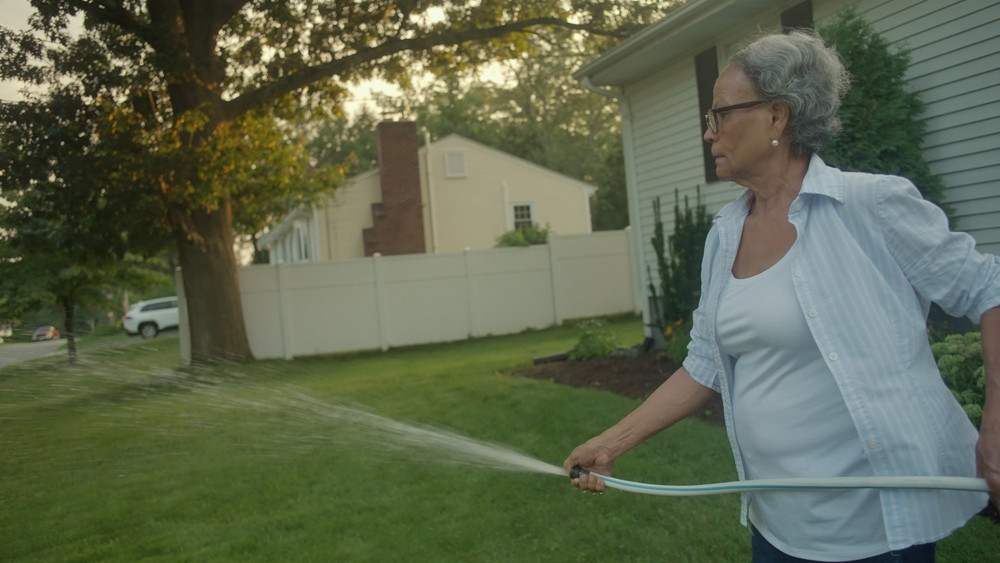
Cultivating a vibrant, lush lawn is a goal for many homeowners. A healthy yard improves curb appeal, supports property value, and creates a welcoming outdoor space for everyday enjoyment. Achieving consistent results requires more than occasional maintenance—it takes a structured approach and ongoing attention.
Proper mowing, balanced fertilization, and efficient watering form the foundation of strong turf growth. Adjusting care routines based on seasonal conditions helps protect your lawn from stress, weeds, and uneven growth. When combined with attention to soil health and preventive maintenance, these proven strategies can significantly improve the appearance and resilience of your yard year-round.
Efficient Irrigation Techniques
Water is essential for maintaining a verdant lawn, yet overwatering can lead to undesirable consequences. Adapting irrigation systems and proper scheduling can greatly impact water usage without compromising the aesthetics of your landscape. Implementing precise timing schedules for irrigation helps curb excess water use, thus ensuring sustainability.
Irrigation efficiency not only aids in water conservation but also supports healthier plant growth. When scheduled appropriately, watering systems can result in a reduction of outdoor water consumption by 20 to 30%, showcasing significant environmental benefits. Adjustments in irrigation practices are simple yet impactful towards achieving a vibrant yard.
Strategically managing the duration and frequency of watering minimizes runoff and promotes deeper root growth. This practice facilitates a lawn’s resilience to withstand varying weather conditions. By aligning watering schedules with climatic trends, you contribute to the overall vitality of your home landscape.
Seasonal Fertilization
Applying the correct type of fertilizer during the optimal seasons is pivotal for lawn care success. Fertilizing every six to eight weeks during the peak growing season can significantly boost the ability of grass to thrive. Providing the right mix of nutrients enriches the soil and fortifies grass against insects and diseases.
Smart fertilization aligns nutrients input with the growth cycle of the lawn, ensuring efficient absorption and utilization. Regularly scheduling fertilizer applications helps maintain a consistent supply of essential minerals to the soil. The interplay of nitrogen, phosphorus, and potassium in the fertilizer provides energy and enhances root development.
It’s important to choose fertilizers tailored to your lawn’s specific needs. Organic options promote long-term soil health, while synthetic varieties offer immediate improvement. Creating a sustainable fertilization schedule enhances lawn resilience, promising greener spaces around your home.
Strategic Mowing Practices
The frequency and pattern of mowing significantly influence lawn health. During high growth periods, cutting the grass approximately once a week benefits the lawn immensely. Mowing helps control weed proliferation and maintains an even grass height, contributing to a uniform green appearance.
Adequate mowing height is crucial in protecting grass from harsh environmental elements. Maintaining a longer grass blade height fosters shade that cools the soil, reducing the stress from heat and drought. A strategic mowing plan, inclusive of tool maintenance and blade sharpening, maximizes cutting efficiency.
Developing a balanced mowing regime that factors in growth rates and climatic variables ensures sustained lawn health. Designing a pattern that limits mechanical stress prevents scalping and optimizes turf coverage. The goal of every homeowner should be a holistic approach to lawn mowing, boosting both aesthetics and endurance.
Adopting these lawn care habits establishes a sustainable path toward cultivating a greener, healthier yard that can be enjoyed throughout the year. Each practice discussed contributes in a unique way to strengthening turf, improving soil quality, and enhancing the overall natural beauty of your home landscape. Consistently applying these strategies ensures that your lawn remains resilient against weeds, pests, and seasonal stressors.
By implementing thoughtful approaches to irrigation, fertilization, and mowing, homeowners can not only achieve a lush and vibrant lawn but also create an outdoor space that reflects care and attention. Over time, these practices build a foundation for long-term lawn health, making your yard more visually appealing, functional, and enjoyable for family activities, entertaining guests, or simply relaxing outdoors. A well-maintained lawn becomes a reflection of both environmental mindfulness and personal pride in your home.