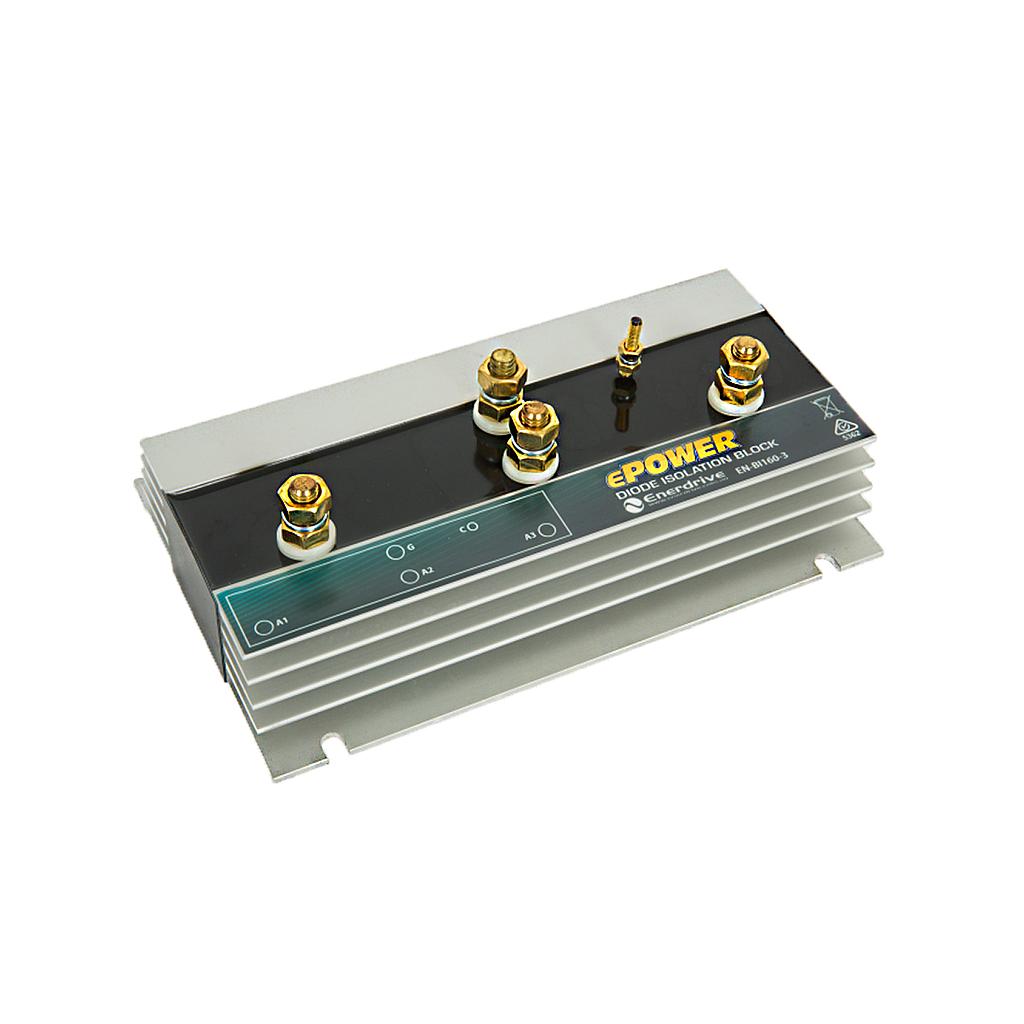
There’s nothing more frustrating than watching your carefully planned DIY electronics project fail because of a single faulty component. You’ve invested hours of research, gathered all the parts, and started assembly—only to discover that the battery diode isolator you purchased online doesn’t work as expected. For electronics hobbyists managing multiple battery systems in RVs, boats, or solar installations, battery diode isolators are critical components that ensure safe charging and prevent power backflow between batteries. Yet purchasing these essential parts online comes with hidden pitfalls that can derail your project and waste your money. Many hobbyists fall victim to common mistakes: buying incompatible components, choosing suspiciously cheap options that fail quickly, or trusting unreliable sellers. This article will guide you through the most frequent purchasing errors and provide practical strategies to confidently buy quality battery diode isolators online, ensuring your next project succeeds from the start.
Understanding Battery Diode Isolators: Essential Electronic Components
What Are Diodes and How Do They Work in Isolation?
A battery diode isolator is a specialized electronic component designed to manage multiple battery systems by controlling the direction of electrical current flow. At its core, the device uses diodes—semiconductor components that permit current to flow in only one direction while blocking reverse flow. This one-way valve characteristic makes diodes perfect for battery isolation applications. When you connect multiple batteries to a single charging source, the isolator ensures each battery charges properly while preventing them from discharging into each other when the charging source is disconnected. This protection is vital in RVs where you might have a starter battery and auxiliary house batteries, in boats with multiple power systems, or in solar installations with backup battery banks. The isolator prevents a depleted battery from draining charged ones, extends battery life, and eliminates the risk of leaving yourself stranded with dead starter batteries. Understanding key specifications is crucial before purchasing: amperage rating determines how much current the isolator can handle, voltage rating must match your system voltage (typically 12V or 24V), and voltage drop across the diodes affects charging efficiency. Common types include silicon diodes for basic applications and Schottky diodes for reduced voltage drop in sensitive systems.
Top Common Mistakes When Buying Battery Diode Isolators Online
Mistake 1: Neglecting Technical Specifications
The most critical error hobbyists make is overlooking technical specifications when purchasing battery diode isolators. Each isolator has specific amperage and voltage ratings that must match your system requirements. If your alternator outputs 100 amps but you purchase an isolator rated for only 50 amps, it will overheat and fail, potentially damaging your entire electrical system. Similarly, using a 12V isolator in a 24V system creates dangerous incompatibility. Thermal ratings matter too—inadequate heat dissipation leads to premature failure, especially in enclosed engine compartments or hot climates. Always verify that the isolator’s continuous current rating exceeds your maximum charging current by at least 25% to provide a safety margin.
Mistake 2: Compromising on Quality for Affordability
While budget constraints are real for hobbyists, choosing the cheapest battery diode isolator often proves expensive in the long run. Low-quality isolators use inferior semiconductor materials that degrade quickly under thermal stress, leading to failures within months rather than years. These cheap components may lack proper internal protection circuits, offering no safeguards against voltage spikes or reverse polarity connections. The initial savings vanish when you factor in replacement costs, shipping delays, and the time spent troubleshooting a failed system. Quality electronic components from established manufacturers cost more upfront but deliver reliable performance and often include warranties that protect your investment.
Mistake 3: Failing to Vet Sellers and Reviews
Many hobbyists rush to buy diodes online without researching the seller’s reputation or examining customer feedback. Unreliable sellers may ship counterfeit components, provide inadequate technical support, or disappear when problems arise. Before purchasing, check seller ratings, read detailed reviews focusing on product authenticity and after-sales service, and verify return policies. Pay attention to reviews from other electronics hobbyists working on similar projects—they often reveal compatibility issues or quality concerns that generic reviews miss. Reputable sellers maintain transparent communication channels and stand behind their products with reasonable return windows and responsive customer service.
Step-by-Step Guide to Avoid Mistakes and Buy with Confidence
Step 1: Define Your Needs and Specifications
Before browsing any online store, calculate your system’s exact requirements. Measure your alternator’s maximum output current and add 25% for a safety buffer—this becomes your minimum amperage rating. Confirm your system voltage by checking battery labels or using a multimeter. Document your installation environment since high-temperature locations require isolators with better thermal management. Create a specification checklist including continuous current rating, peak current capacity, voltage rating, mounting configuration, and terminal size. This preparation prevents impulse purchases of incompatible electronic components and ensures you’re searching with precise criteria rather than vague descriptions.
Step 2: Evaluate Online Retailers and Marketplaces
Start with specialized electronics suppliers rather than general marketplaces, as they typically stock genuine components and employ knowledgeable staff. Check how long the seller has been operating—established businesses with multi-year track records demonstrate stability. Examine their return policy carefully, ensuring at least a 30-day window for defective spare parts. Contact customer service with a technical question before purchasing to assess their responsiveness and expertise. Verify they provide detailed datasheets and technical documentation for components. Look for sellers offering order tracking, secure payment methods, and clear shipping timelines to avoid frustrating delays in your project schedule.
Step 3: Ensure Quality and Reliability Checks
Prioritize isolators from manufacturers with ISO 9001 certification, indicating consistent quality control processes. Research the brand’s reputation in hobbyist forums and professional reviews—established names in power management electronics rarely appear by accident. Request or download the component’s datasheet to verify published specifications match advertised features. Check for warranty coverage, as reputable manufacturers typically offer at least one-year protection on electronic components. Examine product photos closely for professional packaging, clear labeling, and proper safety markings like CE or UL certifications. Be wary of listings with generic stock photos or vague descriptions lacking technical details, as these often indicate questionable authenticity.
Step 4: Leverage Reviews and Hobbyist Communities
Join online forums dedicated to your specific application—RV, marine, or solar communities where members share real-world experiences with battery isolators. Search for reviews mentioning your exact use case rather than generic praise. Pay attention to negative reviews describing specific failures, as these reveal potential weak points. Ask community members directly about their component sources and experiences when you buy diodes online. Check review dates to ensure feedback reflects current product quality, since manufacturers sometimes change suppliers or specifications. Cross-reference information across multiple platforms—a component praised on the seller’s site but criticized in independent forums deserves scrutiny before purchase.
Where to Find and Buy Quality Diodes and Electronic Components Online
Recommended Platforms for Sourcing Diodes
When searching for quality battery diode isolators, specialized electronics distributors like Digi-Key, Mouser Electronics, and Newark offer extensive catalogs with verified components from reputable manufacturers. These platforms provide detailed datasheets, searchable parametric filters, and technical support teams who understand component specifications. For hobbyists seeking more affordable options, established marketplaces with dedicated electronics sections can work well if you carefully vet sellers using the strategies outlined earlier. Supplier websites focused on automotive or marine electronics often stock isolators specifically designed for battery management applications, with staff experienced in helping customers match components to their systems. Additionally, platforms like Utsource specialize in automation accessories and electronic components, offering a wide selection of diodes and power management parts with technical specifications clearly listed for comparison. Regional electronics retailers with online storefronts combine the convenience of web shopping with the option for local pickup and face-to-face technical advice.
Tips for Securing Affordable Yet Reliable Components
To balance cost and quality when you buy diodes online, monitor supplier newsletters for seasonal promotions on power management components. Purchasing multiple isolators when on sale reduces per-unit costs if you have ongoing projects or want backup spare parts. Consider slightly higher-rated components during sales—a 150-amp isolator on discount might cost the same as a full-price 100-amp unit while providing better thermal margins. Join electronics hobbyist groups where members share discount codes and alert each other to legitimate deals. Avoid the temptation of heavily discounted “too good to be true” listings, as genuine quality electronic components maintain relatively consistent pricing across reputable sellers. Building relationships with preferred suppliers often yields loyalty discounts and early access to clearance inventory without compromising component authenticity.
Smart Shopping for Reliable Battery Protection
Successfully purchasing battery diode isolators online requires understanding these essential electronic components, recognizing common pitfalls, and following a systematic approach to selection. By grasping how isolators protect your multi-battery systems and prevent backflow, you establish the foundation for informed decisions. Avoiding the three critical mistakes—neglecting technical specifications, compromising quality for price, and failing to research sellers—protects you from wasted money and project delays. The step-by-step guide provides a clear path forward: define your exact specifications based on system requirements, evaluate retailers for reliability and support, verify component quality through certifications and warranties, and leverage hobbyist communities for real-world insights. When you buy diodes online with this methodical approach, you transform what seems like a risky purchase into a confident investment in quality spare parts. Your next RV electrical upgrade, boat power system, or solar installation deserves components that perform reliably for years, not cheap alternatives that fail at critical moments. Apply these strategies to your next purchase, and you’ll join the ranks of electronics hobbyists who complete successful projects with dependable, properly matched battery diode isolators that keep multiple batteries charged and protected exactly as intended.